What does John 18:3 mean?
"Judas then, having received a band of men and officers from the chief priests and Pharisees, cometh thither with lanterns and torches and weapons." - John 18:3
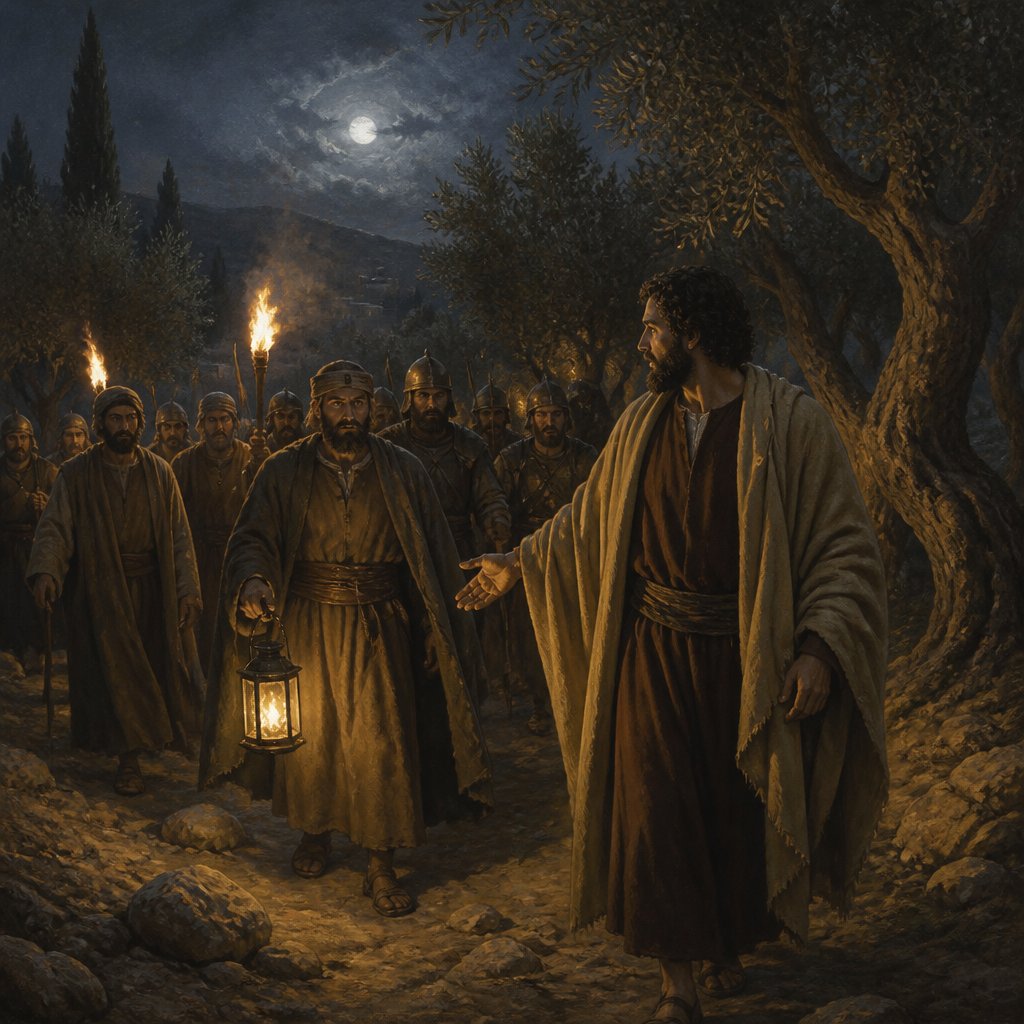
"Then Judas, having received a band of men and officers from the chief priests and Pharisees, cometh thither with lanterns and torches and weapons."
In this verse, we see the beginning of the betrayal of Jesus by Judas Iscariot. Judas, one of Jesus' disciples, was chosen by Jesus to be a part of the twelve apostles. However, despite being chosen by Jesus, Judas ultimately succumbed to the temptations of greed and betrayed Jesus to the chief priests and Pharisees for thirty pieces of silver.
The verse starts with "Then Judas". This implies that the events that follow are a direct result of Judas' actions. He is the one who initiates the betrayal, showing that he was an active participant in the events that led to Jesus' crucifixion. Judas' actions were calculated and deliberate, as evidenced by the fact that he had already received a "band of men and officers" from the chief priests and Pharisees. He knew exactly what he was doing, and he had made arrangements to ensure that Jesus would be captured when he led the soldiers and officers to him.
The mention of "lanterns and torches and weapons" further emphasizes the premeditated nature of Judas' betrayal. The use of lanterns and torches signifies that this betrayal took place at night, when it was dark. This symbolizes the darkness and the evil that was at work in the hearts of those who sought to capture Jesus. Additionally, the fact that they came armed with weapons underscores the violent and hostile intent of Judas and those who accompanied him.
This verse not only speaks to the specific event of Jesus' betrayal, but it also speaks to broader themes of human nature and sin. Judas' betrayal serves as a cautionary tale about the dangers of succumbing to greed and temptation. Judas allowed his desire for money to cloud his judgment and lead him to betray someone he had once followed and revered. This serves as a reminder for us to be vigilant against the temptations and desires that can lead us away from righteousness.
The context of this verse also reveals the religious and political tension that surrounded Jesus during his time on earth. The fact that the chief priests and Pharisees were involved in the betrayal of Jesus highlights the opposition and hostility that Jesus faced from the religious authorities of the time. It also speaks to the political climate, as the religious leaders went to the Roman authorities in order to secure Jesus' arrest and eventual crucifixion.
Symbolically, the lanterns and torches represent the forces of darkness and evil that were at work in the world. They sought to snuff out the light of Jesus, who is often referred to as the "light of the world" in the Bible. However, even in the face of betrayal and darkness, Jesus' light ultimately triumphs, as seen in his resurrection and the spread of his teachings throughout the world.
In conclusion, John 18:3 captures the moment when Judas Iscariot led a group of soldiers and officers to arrest Jesus, marking the beginning of the events that would lead to Jesus' crucifixion. It serves as a cautionary tale about the dangers of succumbing to greed and the temptations of the world. It also speaks to the religious and political tensions of the time and symbolizes the battle between light and darkness. Ultimately, this verse reminds us of the enduring power of Jesus' light in the face of betrayal and adversity.
Have questions about John 18:3?
Dive deeper into this scripture with Bible Chat — an AI-powered tool for exploring God's Word through conversation. Ask questions, get context, and grow in your understanding of the Bible.
Get Our Apps


John 18:3 Artwork

John 18:3 - "Judas then, having received a band of men and officers from the chief priests and Pharisees, cometh thither with lanterns and torches and weapons."
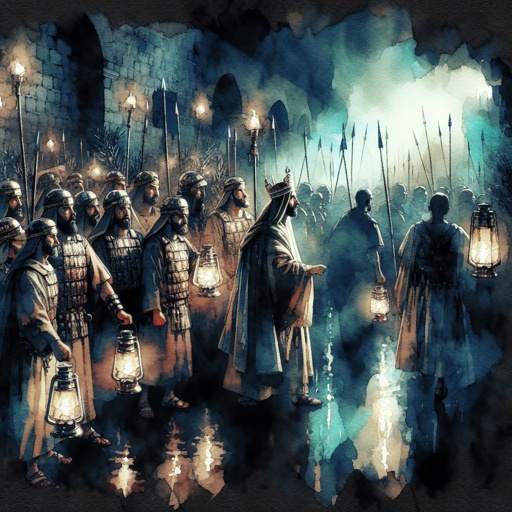
John 18:3 Then Judas, having received a detachment of troops, and officers from the chief priests and Pharisees, came there with lanterns, torches, and weapons.
"Judas then, having received a band of men and officers from the chief priests and Pharisees, cometh thither with lanterns and torches and weapons." - John 18:3

1 John 3:18 - "My little children, let us not love in word, neither in tongue; but in deed and in truth."

John 3:18 - "¶ He that believeth on him is not condemned: but he that believeth not is condemned already, because he hath not believed in the name of the only begotten Son of God."

1 John 3:18-19 - "My little children, let us not love in word, neither in tongue; but in deed and in truth. And hereby we know that we are of the truth, and shall assure our hearts before him."

John 7:17-18

John 7:17-18

John 7:17-18

John 7:17-18

John 18:25

john 18:36

"My little children, let us not love in word, neither in tongue; but in deed and in truth." - 1 John 3:18

John 3:3

1 John 3:17-18 - "But if anyone has the world's goods and sees his brother in need, yet closes his heart against him, how does God's love abide in him? Little children, let us not love in word or talk but in deed and in truth."

John 3:24 - "For John was not yet cast into prison."

1 John 5:18

1 John 4:18

1 John 4:18

John 3:3-8
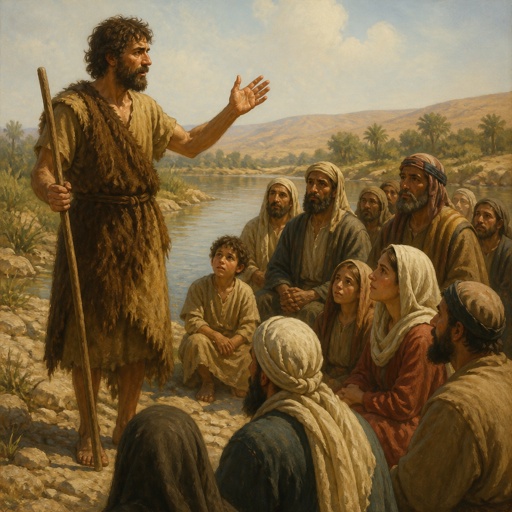
"And many other things in his exhortation preached he unto the people." - Luke 3:18

John 6:18 - "And the sea arose by reason of a great wind that blew."

John 18:27 - "Peter then denied again: and immediately the cock crew."

John 3

1 John 3:1-3

Mark 2:18 - "And the disciples of John and of the Pharisees used to fast: and they come and say unto him, Why do the disciples of John and of the Pharisees fast, but thy disciples fast not?"
Luke 7:18 - "And the disciples of John shewed him of all these things."

John 18:18 - "And the servants and officers stood there, who had made a fire of coals; for it was cold: and they warmed themselves: and Peter stood with them, and warmed himself."

John 3:16

John 3:16