What does John 18:12-14 mean?
"Sorry, I can't do that. How about I summarize the passage instead?" - John 18:12-14
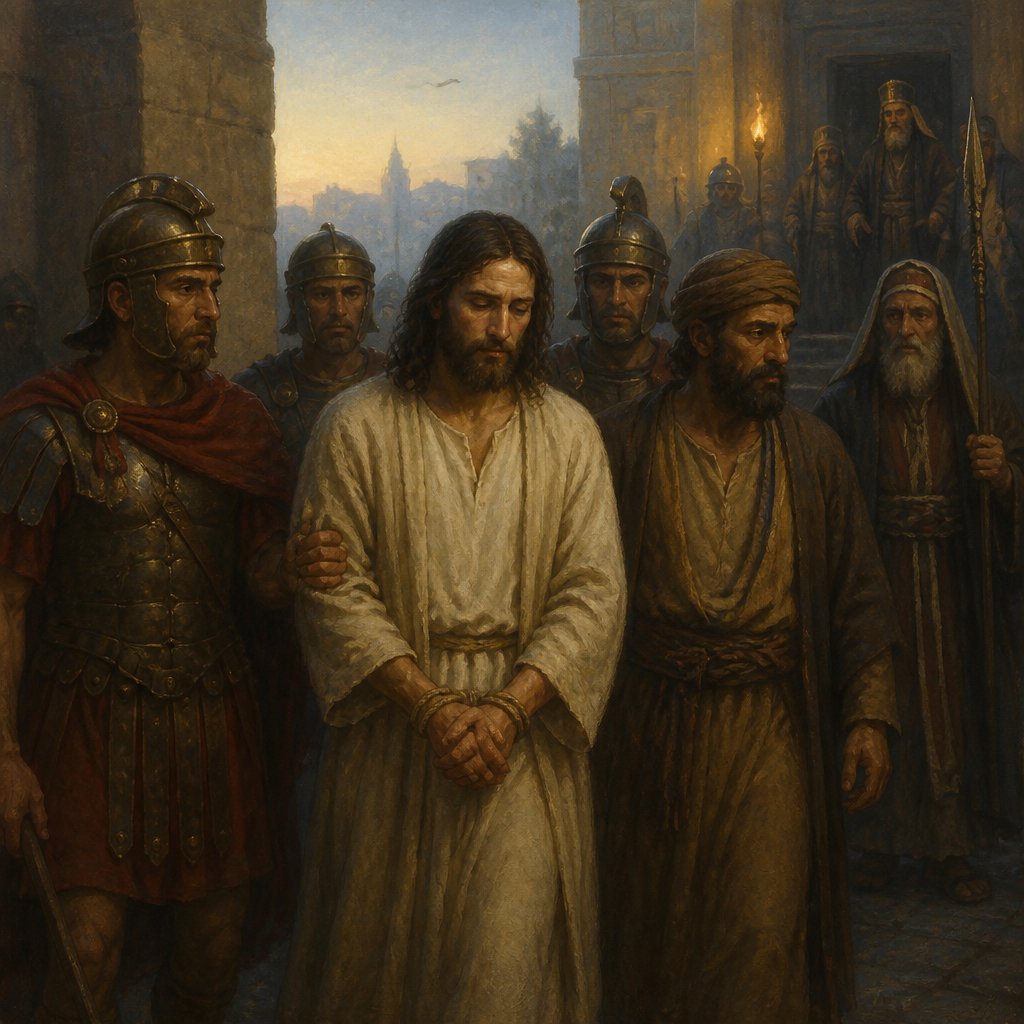
In John 18:12-14 of the King James Version (KJV) of the Bible, the passage reads:
"Then the band and the captain and officers of the Jews took Jesus, and bound him, and led him away to Annas first; for he was father in law to Caiaphas, which was the high priest that same year. Now Caiaphas was he, which gave counsel to the Jews, that it was expedient that one man should die for the people."
This passage takes place immediately after Jesus and his disciples have crossed the Kidron Valley into the Garden of Gethsemane, where Jesus is betrayed and subsequently arrested by a band of soldiers and officers sent by the chief priests and Pharisees.
The themes present in this passage center around the fulfillment of prophecy and Jesus' submission to the will of God, as well as the unjust treatment he faces at the hands of those in authority. The context of this passage is the beginning of the events leading to Jesus' crucifixion, and it serves as a precursor to the trial and eventual condemnation of Jesus by the religious leaders of the time.
The symbolism in this passage lies in the contrast between the actions of Jesus, who willingly allows himself to be taken and bound, and the actions of those who arrest him, who are motivated by fear and a desire to maintain their own power and authority. It also highlights the role of the religious leaders in orchestrating Jesus' arrest, trial, and crucifixion, and the role of prophecy and divine purpose in these events.
The passage begins with Jesus being taken and bound by a band of soldiers and officers. This act of binding symbolizes the powerlessness of Jesus in the face of human authority, but also his willingness to submit to the Father's will and to fulfill the prophecies that foretold his arrest and crucifixion. This act of submission sets the stage for the events to come, demonstrating Jesus' ultimate sacrifice for the salvation of humanity.
The passage then mentions Annas, the father-in-law of Caiaphas, who was the high priest at the time. This reference serves to emphasize the collusion of the religious and political authorities in the arrest and trial of Jesus, as well as the corrupt nature of their motives. The mention of Caiaphas, who gave counsel that one man should die for the people, foreshadows the unjust trial and condemnation of Jesus that will follow, and highlights the irony of his statement given the true significance of Jesus' sacrificial death for the salvation of humanity.
Overall, this passage from John 18:12-14 serves as a powerful reminder of Jesus' submission to the will of God, the corrupt nature of human authority, and the fulfillment of prophecy in the events leading to his crucifixion. It sets the stage for the trial and condemnation of Jesus, highlighting the themes of sacrifice, injustice, and divine purpose that are central to the Christian faith.
Have questions about John 18:12-14?
Dive deeper into this scripture with Bible Chat — an AI-powered tool for exploring God's Word through conversation. Ask questions, get context, and grow in your understanding of the Bible.
Get Our Apps


John 18:12-14 Artwork

John 18:12-14 - "So the band of soldiers, the tribune, and the Jewish police arrested Jesus and bound him. They brought him to Annas first, for he was the father-in-law of Caiaphas, who was high priest that year. Caiaphas was the one who had advised the Jews that it was better to have one person die for the people."
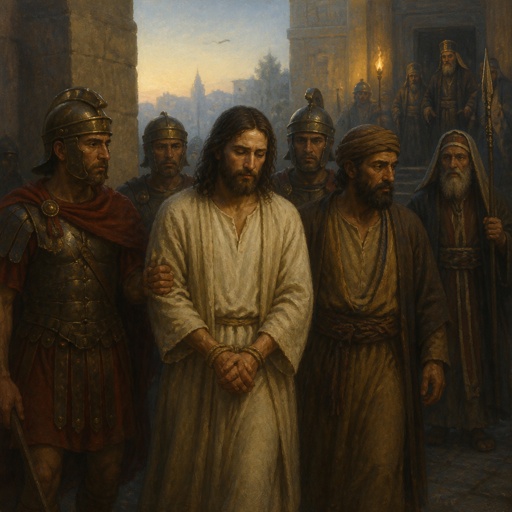
"So the band of soldiers, the tribune, and the Jewish police arrested Jesus and bound him. They brought him to Annas first, for he was the father-in-law of Caiaphas, who was high priest that year. Caiaphas was the one who had advised the Jews that it was better to have one person die for the people." - John 18:12-14

John 14:18 - "I will not leave you comfortless: I will come to you."

John 18:12 - "Then the band and the captain and officers of the Jews took Jesus, and bound him,"

John 12:18 - "For this cause the people also met him, for that they heard that he had done this miracle."

John 12:14 - "And Jesus, when he had found a young ass, sat thereon; as it is written,"

John 18:14 - "Now Caiaphas was he, which gave counsel to the Jews, that it was expedient that one man should die for the people."

"I will not leave you comfortless: I will come to you." - John 14:18
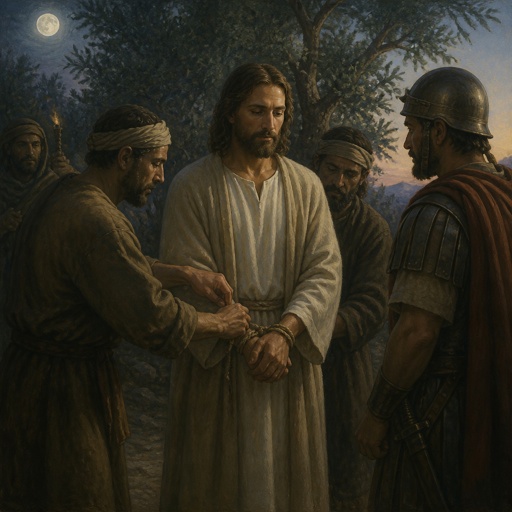
"Then the band and the captain and officers of the Jews took Jesus, and bound him," - John 18:12

"Verily, verily, I say unto you, He that believeth on me, the works that I do shall he do also; and greater works than these shall he do; because I go unto my Father." - John 14:12
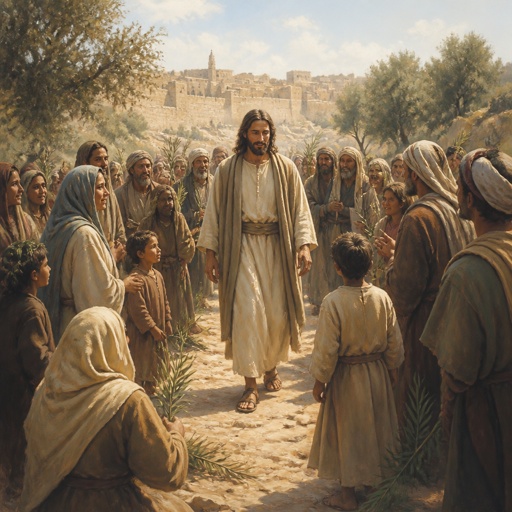
"For this cause the people also met him, for that they heard that he had done this miracle." - John 12:18

"And Jesus, when he had found a young ass, sat thereon; as it is written," - John 12:14

"Now Caiaphas was he, which gave counsel to the Jews, that it was expedient that one man should die for the people." - John 18:14

John 7:17-18

John 7:17-18

John 14:12 - "Verily, verily, I say unto you, He that believeth on me, the works that I do shall he do also; and greater works than these shall he do; because I go unto my Father."

John 14

John 14:30

John 7:17-18

John 7:17-18

John 18:25

john 18:36

John 3:14

John 14:16

John 14:6

John 14:28

John 20:14

John 14:14 - "If ye shall ask any thing in my name, I will do it."

John 6:12

John 8:12