What does John 16:27 mean?
"For the Father himself loveth you, because ye have loved me, and have believed that I came out from God." - John 16:27
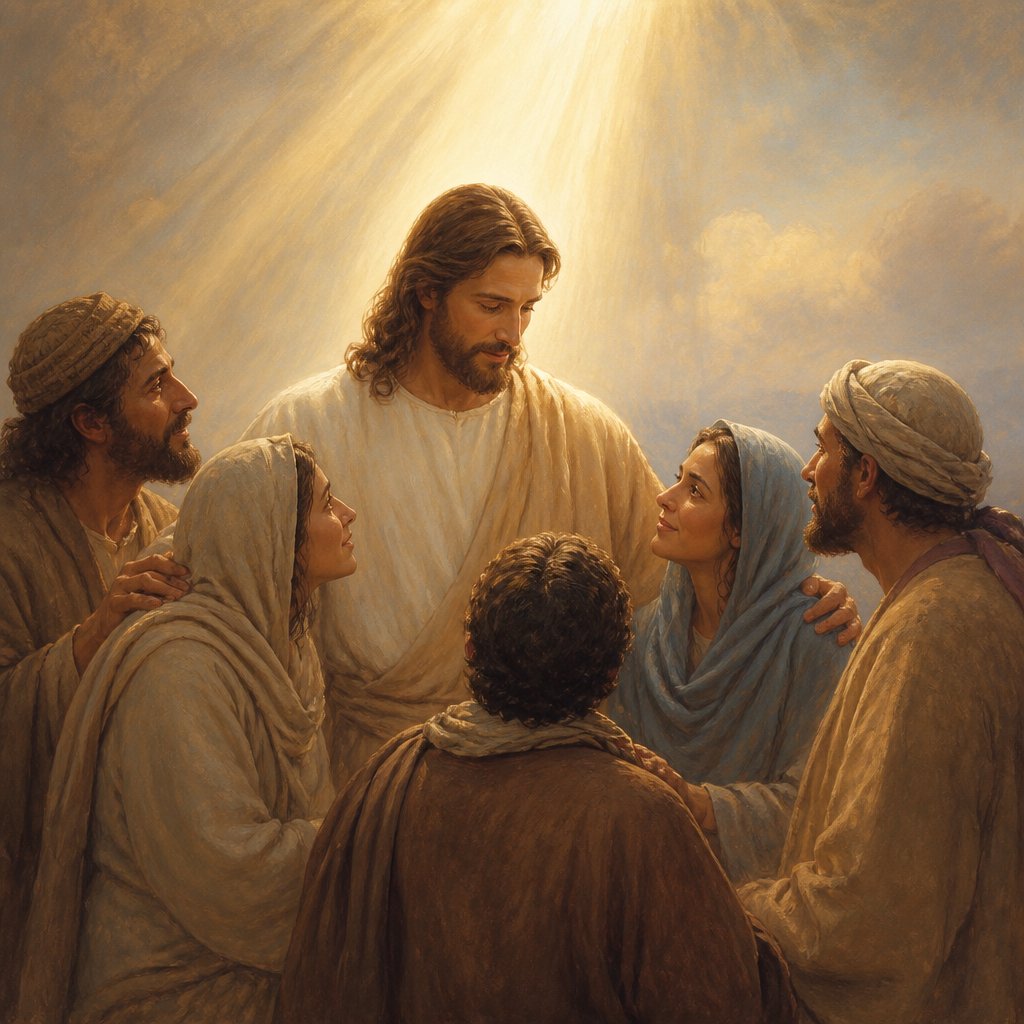
John 16:27 (KJV) says, "For the Father himself loveth you, because ye have loved me, and have believed that I came out from God." This verse is part of a larger passage in the Gospel of John where Jesus is speaking to his disciples before his crucifixion. In this specific verse, Jesus is reassuring his disciples that the Father loves them because of their love for him and their belief in him as the Son of God.
The theme of love is central to this verse. Jesus is emphasizing the love that both he and the Father have for the disciples. The love of the Father for his people is a recurring theme in the Bible, and in this verse, it is reaffirmed through the love shown by the disciples for Jesus. This demonstrates the reciprocity of love in the relationship between God and humanity. It also emphasizes the importance of love as a guiding principle in the Christian faith.
The context of this verse is crucial for understanding its significance. Jesus is speaking to his disciples and preparing them for his departure. He is assuring them that the Father loves them and that they will continue to have a relationship with him even after Jesus is no longer physically present with them. This is a message of comfort and encouragement for the disciples, who are facing uncertainty and fear about the future.
The symbolism in this verse lies in the relationship between the disciples, Jesus, and the Father. The love of the Father is portrayed as being intimately connected to the disciples' love for Jesus and their belief in him. This symbolizes the interconnectedness of faith, love, and the divine relationship between God and humanity. It also underscores the significance of Jesus as the mediator between God and humanity, as the one through whom the disciples have come to know and love the Father.
This verse also conveys a message of grace and salvation. The love of the Father for the disciples is not contingent on their perfection or worthiness, but on their faith in Jesus and their love for him. This is a powerful reminder of the unmerited nature of God's love and the grace that is offered to believers through their relationship with Jesus.
Furthermore, this verse speaks to the identity and purpose of Jesus as the Son of God. The disciples' belief in Jesus as the one who came from God is significant in their relationship with the Father. This belief is a foundational aspect of Christian faith, as it acknowledges Jesus as the divine Son of God who came to reveal the Father's love and bring salvation to humanity.
In conclusion, John 16:27 (KJV) is a verse that offers reassurance, comfort, and profound theological insights. It emphasizes the reciprocal love between God and humanity, the centrality of faith and love in the Christian life, and the role of Jesus as the mediator between God and humanity. It conveys a message of grace, salvation, and the unmerited nature of God's love. This verse has been a source of encouragement and inspiration for countless believers throughout history, and its message continues to resonate with Christians today.
Have questions about John 16:27?
Dive deeper into this scripture with Bible Chat — an AI-powered tool for exploring God's Word through conversation. Ask questions, get context, and grow in your understanding of the Bible.
Get Our Apps


John 16:27 Artwork
John 16:27 - "For the Father himself loveth you, because ye have loved me, and have believed that I came out from God."
"For the Father himself loveth you, because ye have loved me, and have believed that I came out from God." - John 16:27

John 20:27

John 20:27

John 19:25-27

1 John 2:27

John 3:27 - "John answered and said, A man can receive nothing, except it be given him from heaven."

Proverbs 27:16

1 John 2:27

John 19:25-27

John 19:26-27

1 John 2:27

1 John 2:27

John 16:33

John 16:33

John 16:33

John 18:27 - "Peter then denied again: and immediately the cock crew."

John 8:27 - "They understood not that he spake to them of the Father."

John 16:33
John 16:33

John 16:33

John 3:16

John 4:16

John 3:16

john 3:16

John 3:16

John 3:16

John 4:16

John 4:16

John 4:16