What does John 15:1 mean?
"I am the true vine, and my Father is the husbandman." - John 15:1
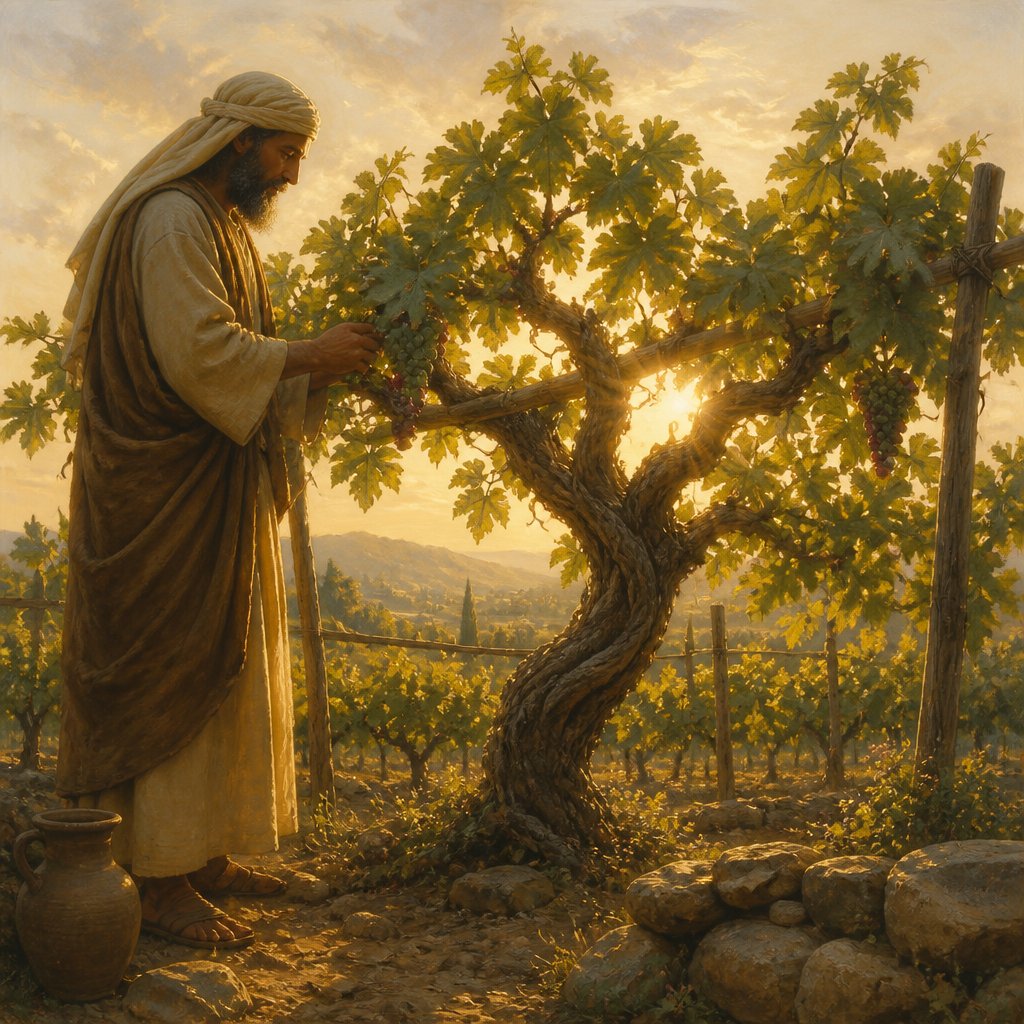
John 15:1 (KJV) says, “I am the true vine, and my Father is the husbandman.” In a single sentence Jesus gives a picture that holds together the whole of His teaching in this part of John’s Gospel: who He is, what kind of life His people are meant to have, and how the Father actively oversees that life. The verse is not meant to stand alone as a proverb; it opens an extended metaphor that continues through the chapter, so its meaning is best heard as the doorway into everything that follows about abiding, fruit, pruning, and love.
The immediate context is Jesus speaking to His disciples on the night in which He is about to be betrayed, after He has already taught them about His departure, the coming of the Comforter, and the necessity of faith. The tone is intimate and urgent. He is preparing them for life when they will no longer have His physical presence. In that moment, He does not offer them a strategy so much as a relationship: they will remain alive and fruitful only by remaining joined to Him. John 15:1 begins that assurance by declaring that Jesus Himself is the “vine,” the living source from which the branches draw nourishment, stability, and growth.
When Jesus says, “I am the true vine,” the word “true” matters. In the KJV, “true” often carries the sense of genuine, real, ultimate, and fulfilling—what something was meant to be in its fullest sense. Jesus is not presenting Himself as one helpful vine among many, but as the authentic vine to which all other images and hopes point. This is particularly significant because “vine” language is deeply rooted in Scripture’s way of speaking about God’s people. The vine is an image of cultivated life, planted with intention, belonging in a vineyard, meant to bear fruit. By calling Himself the true vine, Jesus places Himself at the center of what it means to belong to God and to have the life that God intends. The life of the people of God is not merely a matter of heritage, outward association, or religious form; it is a matter of living union with Christ.
The symbolism of the vine also emphasizes dependence. A branch does not generate life in itself; it receives life from the vine. The image, as Jesus uses it, presses the point that spiritual vitality is not self-made. Any fruit that is real fruit—any obedience, love, endurance, holiness, or witness that is pleasing to God—must come from connection to Christ rather than from mere human effort. The vine is the source, the branches are the receivers, and fruit is the result. Even in this first verse, before Jesus speaks of branches explicitly, the metaphor already implies that disciples are not independent religious actors but members whose life flows from Him.
The second half of the verse, “and my Father is the husbandman,” introduces the Father not as distant but as actively involved. A “husbandman” in the KJV is the keeper of the vineyard, the one who tends, trains, prunes, and oversees growth so that fruit will come. That title carries both authority and care. The vineyard does not run itself; it is cultivated. The Father’s role as husbandman means that the life believers receive in Christ is not left to chance. God the Father is not merely the origin of the plan of salvation; He is the wise and watchful caretaker of those who are in His Son. This becomes especially significant as the chapter continues into themes of pruning and cleansing; the husbandman’s work can involve cutting away what is unfruitful and tending what is living so that it may bear more. Even in John 15:1, the mention of the Father signals that discipleship will include the Father’s purposeful dealings with His people.
The verse also shows the unity and distinction between the Son and the Father. Jesus identifies Himself as the vine and the Father as the husbandman, portraying a coordinated work: life is in the Son, oversight and cultivation are attributed to the Father. This is not a competition of roles but a harmony of purpose. The Father tends what is united to the Son, and the Son is the living source through whom the Father’s people bear fruit. In this way the image quietly communicates a theology of salvation and sanctification: Christ is the life-giver, and the Father is the wise cultivator who orders that life toward fruitful maturity.
Another layer of symbolism is the idea of belonging and identity. A vine defines what kind of branches it has; branches share in the nature of the vine they are attached to. By calling Himself the vine, Jesus is defining the identity of His disciples in relation to Himself. They are not chiefly defined by circumstance, opposition, or even their own weakness, but by attachment to Him. In a night when their confidence will be shaken, Jesus anchors them in what remains true: if they are in Him, they are connected to the true source of life, and the Father is at work in that connection.
Finally, the significance of John 15:1 is that it frames the Christian life not primarily as rule-keeping but as abiding life that bears fruit under God’s care. The verse presents a living system: Christ as the true, life-giving vine; the Father as the careful husbandman; and, by implication, disciples as those whose calling is to live from that union so that fruit appears as the natural outcome of divine life at work. Read in its setting, John 15:1 is Jesus’ opening declaration that the only enduring spiritual life is found in Him, and that the Father Himself is committed to tending that life so it becomes fruitful.
Have questions about John 15:1?
Dive deeper into this scripture with Bible Chat — an AI-powered tool for exploring God's Word through conversation. Ask questions, get context, and grow in your understanding of the Bible.
Get Our Apps


John 15:1 Artwork

John 15:1-8

John 15:1 - "I am the true vine, and my Father is the husbandman."
"I am the true vine, and my Father is the husbandman." - John 15:1
"I am the true vine, and my Father is the husbandman." - John 15:1

John 15:1-11 - "I am the true vine, and my Father is the gardener. He cuts off every branch in me that bears no fruit, while every branch that does bear fruit he prunes so that it will be even more fruitful. You are already clean because of the word I have spoken to you. Remain in me, as I also remain in you. No branch can bear fruit by itself; it must remain in the vine. Neither can you bear fruit unless you remain in me. I am the vine; you are the branches. If you remain in me and I in you, you will bear much fruit; apart from me you can do nothing. If you do not remain in me, you are like a branch that is thrown away and withers; such branches are picked up, thrown into the fire and burned. If you remain in me and my words remain in you, ask whatever you wish, and it will be done for you. This is to my Father’s glory, that you bear much fruit, showing yourselves to be my disciples. As the Father has loved me, so have I loved you. Now remain in my love. If you keep my commands, you will remain in my love, just as I have kept my Father’s commands and remain in his love. I have told you this so that my joy may be in you and that your joy may be complete."
"I am the true vine, and my Father is the gardener. He cuts off every branch in me that bears no fruit, while every branch that does bear fruit he prunes so that it will be even more fruitful. You are already clean because of the word I have spoken to you. Remain in me, as I also remain in you. No branch can bear fruit by itself; it must remain in the vine. Neither can you bear fruit unless you remain in me. I am the vine; you are the branches. If you remain in me and I in you, you will bear much fruit; apart from me you can do nothing. If you do not remain in me, you are like a branch that is thrown away and withers; such branches are picked up, thrown into the fire and burned. If you remain in me and my words remain in you, ask whatever you wish, and it will be done for you. This is to my Father’s glory, that you bear much fruit, showing yourselves to be my disciples. As the Father has loved me, so have I loved you. Now remain in my love. If you keep my commands, you will remain in my love, just as I have kept my Father’s commands and remain in his love. I have told you this so that my joy may be in you and that your joy may be complete." - John 15:1-11

John 15:5

John 15:26 NLT

John 14:15-21

John 1:15 - "¶ John bare witness of him, and cried, saying, This was he of whom I spake, He that cometh after me is preferred before me: for he was before me."

1 John 4:15 - "Whosoever shall confess that Jesus is the Son of God, God dwelleth in him, and he in God."

1 John 2:15 - "Love not the world, neither the things that are in the world. If any man love the world, the love of the Father is not in him."

1 John 3:15 - "Whosoever hateth his brother is a murderer: and ye know that no murderer hath eternal life abiding in him."

John 15:7

1 John 5:15 - "And if we know that he hear us, whatsoever we ask, we know that we have the petitions that we desired of him."

John 15:7

John 15:5

John 15 The Vine

John 15:9-10

John 15:9-10

John 21:15-19

Mark 1:14-15 - "Now after John was arrested, Jesus came to Galilee, proclaiming the good news of God, and saying, "The time is fulfilled, and the kingdom of God has come near; repent, and believe in the good news.""

1 John 2:15-16 - "Do not love the world or anything in the world. If anyone loves the world, love for the Father is not in them. For everything in the world—the lust of the flesh, the lust of the eyes, and the pride of life—comes not from the Father but from the world."

John 14:15 - "¶ If ye love me, keep my commandments."

John 15:23 - "He that hateth me hateth my Father also."
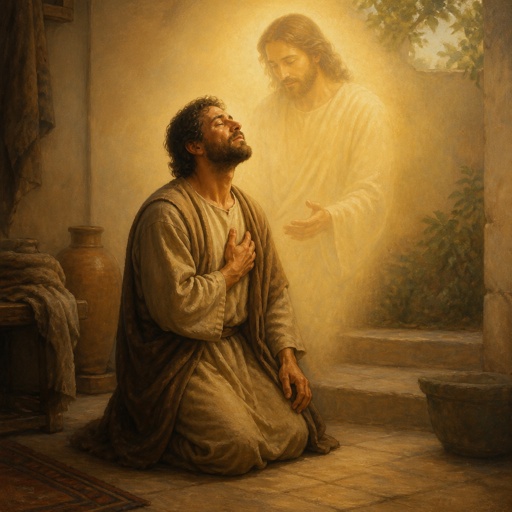
"Whosoever shall confess that Jesus is the Son of God, God dwelleth in him, and he in God." - 1 John 4:15

John 8:15 - "Ye judge after the flesh; I judge no man."
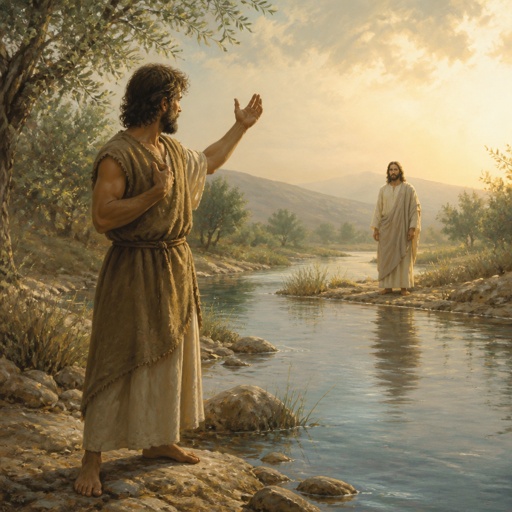
"¶ John bare witness of him, and cried, saying, This was he of whom I spake, He that cometh after me is preferred before me: for he was before me." - John 1:15

John 15:17 - "These things I command you, that ye love one another."

John 3:15 - "That whosoever believeth in him should not perish, but have eternal life."