What does John 14:21-24 mean?
"He that hath my commandments, and keepeth them, he it is that loveth me: and he that loveth me shall be loved of my Father, and I will love him, and will manifest myself to him. Judas saith unto him, not Iscariot, Lord, how is it that thou wilt manifest thyself unto us, and not unto the world? Jesus answered and said unto him, If a man love me, he will keep my words: and my Father will love him, and we will come unto him, and make our abode with him. He that loveth me not keepeth not my sayings: and the word which ye hear is not mine, but the Father's which sent me." - John 14:21-24
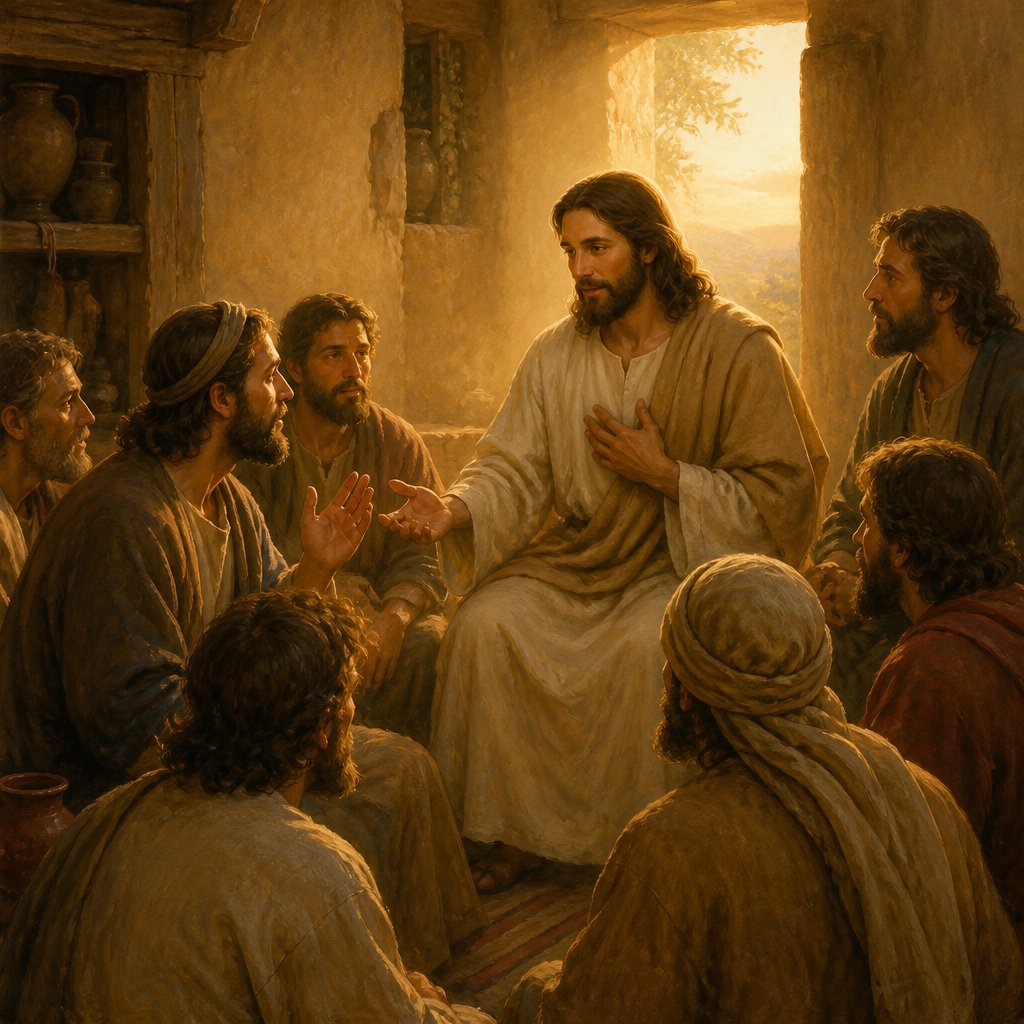
John 14:21-24 in the King James Version of the Bible reads, "He that hath my commandments, and keepeth them, he it is that loveth me: and he that loveth me shall be loved of my Father, and I will love him, and will manifest myself to him. Judas saith unto him, not Iscariot, Lord, how is it that thou wilt manifest thyself unto us, and not unto the world? Jesus answered and said unto him, If a man love me, he will keep my words: and my Father will love him, and we will come unto him, and make our abode with him. He that loveth me not keepeth not my sayings: and the word which ye hear is not mine, but the Father's which sent me."
These verses from the book of John capture the essence of Christian faith and the relationship between God, Jesus, and those who follow Him. There are several themes and layers of meaning to unpack in these verses, which we will explore in depth.
First and foremost, the theme of love and obedience is central to these verses. Jesus emphasizes the importance of keeping His commandments as a demonstration of love for Him. He makes it clear that those who love Him will keep His commandments, and in turn, they will be loved by the Father. This love between God and His followers is reciprocal – those who love God and Jesus will be loved in return. Furthermore, Jesus promises to manifest Himself to those who keep His commandments, revealing a deeper and more intimate relationship with Him.
The concept of manifestation is an important aspect of these verses. Judas, not Iscariot, seeks clarification on how Jesus will manifest Himself to His followers and not to the world. This raises the question of what it means for Jesus to manifest Himself to His followers. The manifestation of Jesus can be understood in a spiritual sense, as those who truly love and follow Him will experience His presence and guidance in their lives. This points to the personal and transformative nature of the relationship between Jesus and His followers.
Another theme that emerges from these verses is the indwelling of God and Jesus in the lives of those who love and obey Him. Jesus explains that those who love Him and keep His words will be loved by the Father, and both He and the Father will come to them and make their abode with them. This signifies a deep and profound union between God and believers. It speaks to the intimacy and closeness that is possible in the relationship with God, as He takes up residence within the hearts and lives of those who love and obey Him.
The contrast between those who love Jesus and keep His commandments and those who do not is also highlighted in these verses. Jesus makes it clear that those who do not love Him do not keep His sayings. This presents a clear dichotomy between those who are in a loving and obedient relationship with Jesus and those who are not. It underscores the importance of obedience as a demonstration of love for God and Jesus.
Symbolism can also be found in these verses, particularly in the idea of Jesus and the Father making their abode with those who love and obey Him. This symbolizes the presence of God within the lives of believers and the transformation that occurs through this indwelling. It also points to the idea of the believer as a temple of God, where His presence resides and His will is carried out.
In the broader context of the Gospel of John, these verses contribute to the overarching themes of faith, love, and discipleship. They emphasize the importance of a personal and intimate relationship with Jesus, rooted in love and obedience. They also point to the transformative power of this relationship, as Jesus and the Father make their home with those who love and obey Him.
In conclusion, John 14:21-24 offers profound insights into the nature of the relationship between God, Jesus, and those who follow Him. It highlights the centrality of love and obedience, the promise of manifestation and indwelling, and the stark contrast between those who love and obey Jesus and those who do not. These verses invite believers to cultivate a deep and intimate connection with Jesus, marked by love and obedience, and to experience the transformative presence of God in their lives.
Have questions about John 14:21-24?
Dive deeper into this scripture with Bible Chat — an AI-powered tool for exploring God's Word through conversation. Ask questions, get context, and grow in your understanding of the Bible.
Get Our Apps


John 14:21-24 Artwork

John 14:21-24 - "Whoever has my commands and keeps them is the one who loves me. The one who loves me will be loved by my Father, and I too will love them and show myself to them. Then Judas (not Judas Iscariot) said, “But, Lord, why do you intend to show yourself to us and not to the world?” Jesus replied, “Anyone who loves me will obey my teaching. My Father will love them, and we will come to them and make our home with them. Anyone who does not love me will not obey my teaching. These words you hear are not my own; they belong to the Father who sent me."
"Whoever has my commands and keeps them is the one who loves me. The one who loves me will be loved by my Father, and I too will love them and show myself to them. Then Judas (not Judas Iscariot) said, “But, Lord, why do you intend to show yourself to us and not to the world?” Jesus replied, “Anyone who loves me will obey my teaching. My Father will love them, and we will come to them and make our home with them. Anyone who does not love me will not obey my teaching. These words you hear are not my own; they belong to the Father who sent me." - John 14:21-24

John 14:15-21

John 21:24 - "This is the disciple which testifieth of these things, and wrote these things: and we know that his testimony is true."

numbers 21:8-9 & John 3:14

John 21:14 - "This is now the third time that Jesus shewed himself to his disciples, after that he was risen from the dead."

John 14:24 - "He that loveth me not keepeth not my sayings: and the word which ye hear is not mine, but the Father's which sent me."
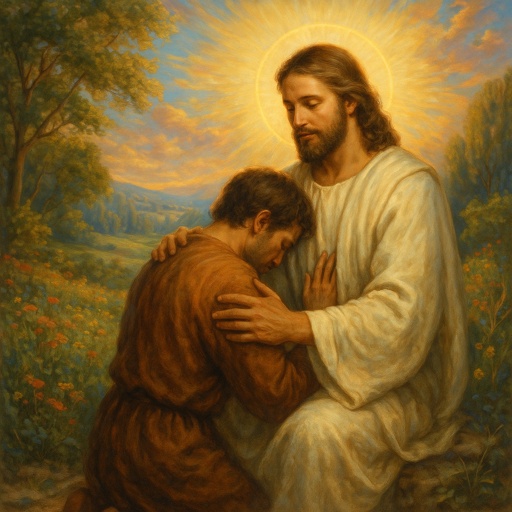
"He that hath my commandments, and keepeth them, he it is that loveth me: and he that loveth me shall be loved of my Father, and I will love him, and will manifest myself to him." - John 14:21
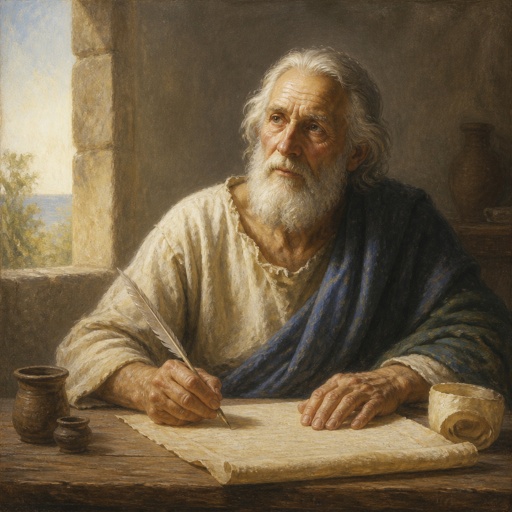
"This is the disciple which testifieth of these things, and wrote these things: and we know that his testimony is true." - John 21:24

John 14:21 - "He that hath my commandments, and keepeth them, he it is that loveth me: and he that loveth me shall be loved of my Father, and I will love him, and will manifest myself to him."

John 3:24 - "For John was not yet cast into prison."
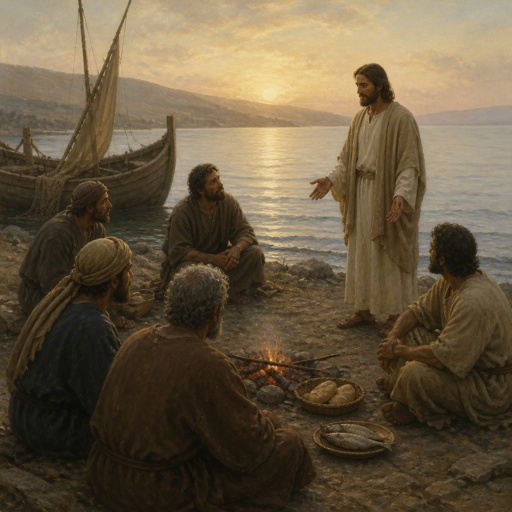
"This is now the third time that Jesus shewed himself to his disciples, after that he was risen from the dead." - John 21:14

"For John was not yet cast into prison." - John 3:24

Luke 21:24

John 20:21

john 21:9

John 21:6

Genesis 24-21

Genesis 21-24
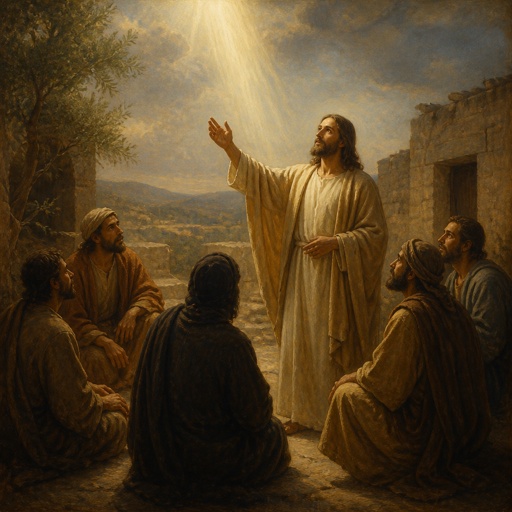
"He that loveth me not keepeth not my sayings: and the word which ye hear is not mine, but the Father's which sent me." - John 14:24

John 21:21 - "Peter seeing him saith to Jesus, Lord, and what shall this man do?"

John 14

John 14:30

John 21:6

John 21:17

John 21:25

John 21:6

John 21:6

John 1:24 - "And they which were sent were of the Pharisees."

Genesis 21:24 - "And Abraham said, I will swear."