What does John 14:12 mean?
"Verily, verily, I say unto you, He that believeth on me, the works that I do shall he do also; and greater works than these shall he do; because I go unto my Father." - John 14:12
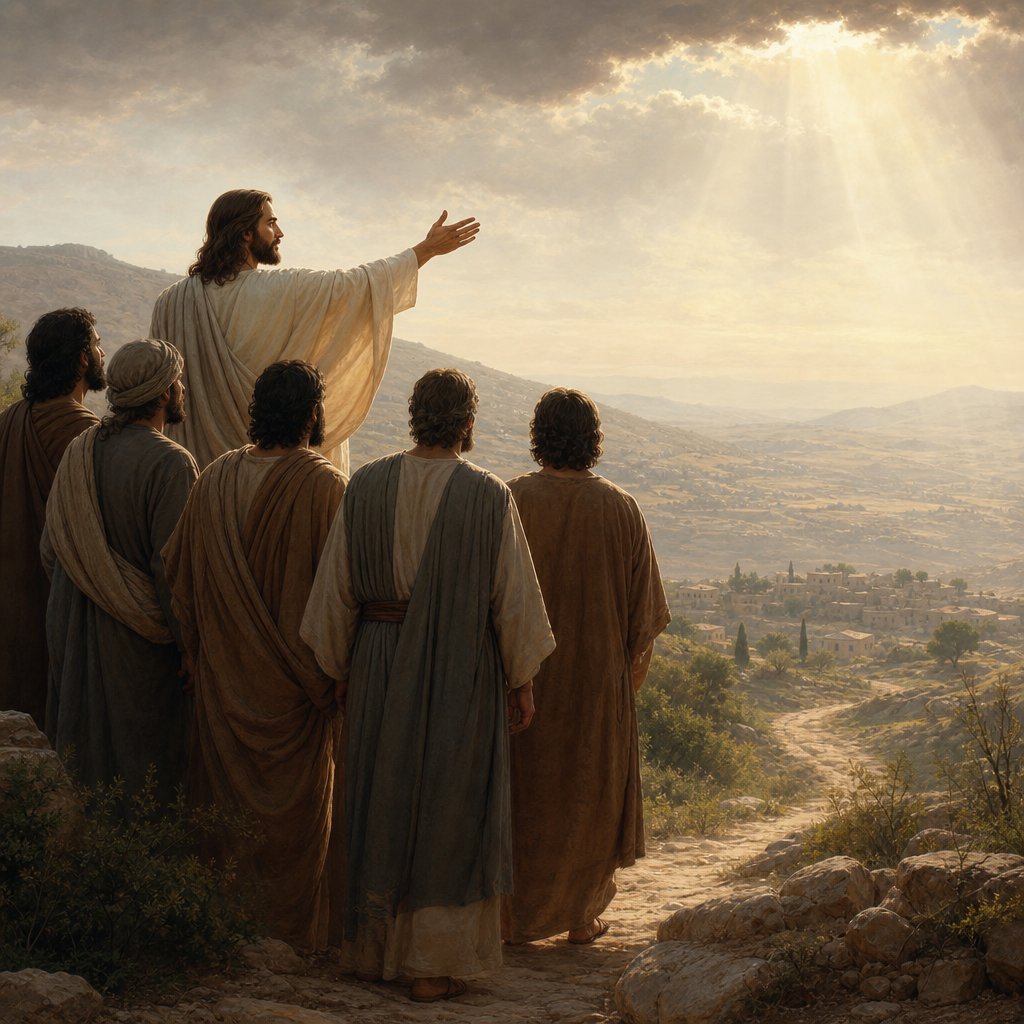
“Verily, verily, I say unto you, He that believeth on me, the works that I do shall he do also; and greater works than these shall he do; because I go unto my Father.” (John 14:12, KJV)
John 14:12 stands inside a night of farewell. In John 13–17 Jesus is speaking privately to His disciples on the eve of His suffering, preparing them for life without His visible, bodily presence. The tone of John 14 is both tender and urgent: He comforts their troubled hearts, speaks of the Father’s house, declares Himself “the way, the truth, and the life,” and promises that knowing Him is knowing the Father. In that setting, John 14:12 is not a detached slogan about spiritual power; it is a word of continuity and commissioning. Jesus is telling His followers that His departure will not end His work in the world. Instead, it will widen it.
The verse begins with “Verily, verily,” the double affirmation used in John to mark something weighty, reliable, and foundational. What follows is anchored not in the disciples’ natural ability but in the certainty of Christ’s word. The key condition is also stated plainly: “He that believeth on me.” In John’s Gospel, believing is not merely agreeing with facts; it is a living trust and adherence to the Son, a receiving of Him as He truly is. The promise is attached to union with Christ by faith, not to personal ambition, status, or spectacle.
“The works that I do shall he do also” points back to everything Jesus has been doing throughout the Gospel: teaching with authority, revealing the Father, showing mercy, calling sinners, confronting darkness, and performing signs that testified to His identity. In John, Jesus’ works are not random displays; they are revelations. They show what the Father is like and what the Son has come to do. When Jesus says believers will do “the works that I do,” He is describing a continuing mission in the same spiritual direction and with the same purpose: God’s self-disclosure in Christ, carried forward through Christ’s people. It does not mean believers become equal to Christ in His unique personhood, for John is careful to distinguish the Son who comes from above and lays down His life from those who are sent by Him. Rather, it means that Christ’s ministry will be extended through those who belong to Him.
The next phrase, “and greater works than these shall he do,” is the most discussed, and the context in John guides how it should be understood. “Greater” is not necessarily “more impressive” in the sense of more astonishing miracles. In John, “greater” often relates to the fuller unveiling of God’s saving purpose. Before the cross and resurrection, the disciples can follow Jesus, hear Him, and watch His signs, yet they do not yet stand on the far side of His atoning death and victorious rising. After Jesus “go[es] unto” the Father, the message proclaimed by the disciples will openly declare what the signs pointed toward: that the Lamb of God has taken away sin, that the crucified One is risen, that forgiveness and life are offered in His name, and that the promised Spirit is given. In that sense the works are “greater” because they belong to a later, climactic stage of redemptive history, when the meaning of Jesus’ mission is fully accomplished and can be preached as finished.
The clause “because I go unto my Father” is the hinge of the whole verse. The reason the disciples will do these works, and the reason they can be called “greater,” is not that Jesus stops working, but that He goes to the Father. In John, Jesus’ “going” includes His death, resurrection, and ascension—His return to the Father in glory. This is not mere absence; it is enthronement and intercession. Immediately around this verse Jesus speaks of prayer “in my name” (John 14:13–14, KJV), and soon after He promises “another Comforter” (John 14:16, KJV). The going to the Father is therefore the condition for the new covenant outpouring of divine help. The disciples will not replace Jesus; they will act as those sent and empowered, their work flowing from Christ’s accomplished redemption and His present heavenly authority.
There is also symbolism in the movement of the passage: from the Son’s earthly ministry to the Son’s return to the Father, and from the disciples’ present confusion to their future witness. John often uses “works” as a visible witness to invisible truth. Jesus’ works testify that the Father has sent Him; the disciples’ works, done in His name after His going, testify that the Son truly has gone to the Father and reigns. The “greater works” are therefore not centered on the disciples as extraordinary individuals, but on the exalted Christ whose finished work can now be proclaimed and whose life can now be communicated by the Spirit. The church’s mission becomes, in effect, the public continuation of Jesus’ own testimony, now proclaimed in the light of the cross and resurrection.
The significance of John 14:12, then, is that it joins comfort and calling. Jesus is not leaving His followers orphaned or powerless; His departure is the very means by which His work will spread. It assures believers that faith in Christ joins them to a living Lord who continues to act, and it frames Christian ministry as participation in Jesus’ own mission—speaking His word, bearing witness to His person, and doing deeds that align with His mercy and truth. The verse is meant to strengthen the disciples’ hearts: what seems like loss—“because I go unto my Father”—will become the ground of a greater, wider testimony to who Jesus is and what He has done.
Have questions about John 14:12?
Dive deeper into this scripture with Bible Chat — an AI-powered tool for exploring God's Word through conversation. Ask questions, get context, and grow in your understanding of the Bible.
Get Our Apps


John 14:12 Artwork
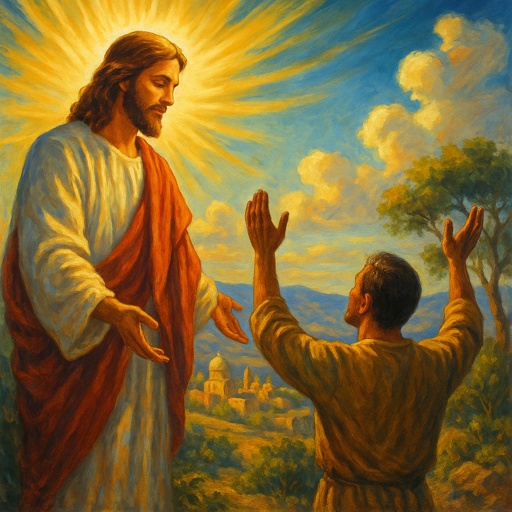
"Verily, verily, I say unto you, He that believeth on me, the works that I do shall he do also; and greater works than these shall he do; because I go unto my Father." - John 14:12

John 14:12 - "Verily, verily, I say unto you, He that believeth on me, the works that I do shall he do also; and greater works than these shall he do; because I go unto my Father."
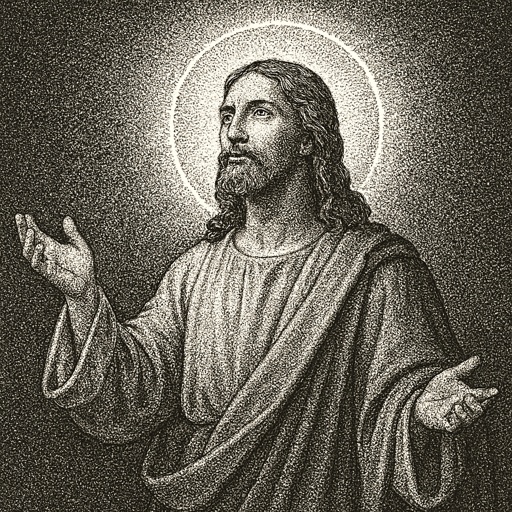
“Most assuredly, I say to you, he who believes in Me, the works that I do he will do also; and greater works than these he will do, because I go to My Father." - John 14:12
"Verily, verily, I say unto you, He that believeth on me, the works that I do shall he do also; and greater works than these shall he do; because I go unto my Father." - John 14:12

John 14:1-2

John 12:14 - "And Jesus, when he had found a young ass, sat thereon; as it is written,"
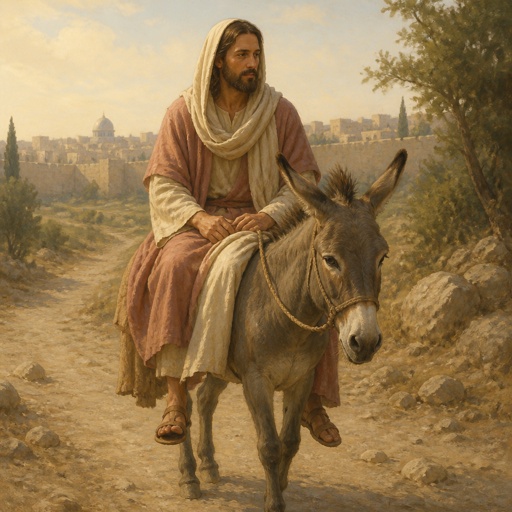
"And Jesus, when he had found a young ass, sat thereon; as it is written," - John 12:14

John 14

John 14:30

John 3:14

John 14:16

John 14:6

John 14:28

John 20:14

John 14:14 - "If ye shall ask any thing in my name, I will do it."

John 6:12

John 8:12

John 18:12-14 - "So the band of soldiers, the tribune, and the Jewish police arrested Jesus and bound him. They brought him to Annas first, for he was the father-in-law of Caiaphas, who was high priest that year. Caiaphas was the one who had advised the Jews that it was better to have one person die for the people."

John 12:25

John 8:12

John 8:12
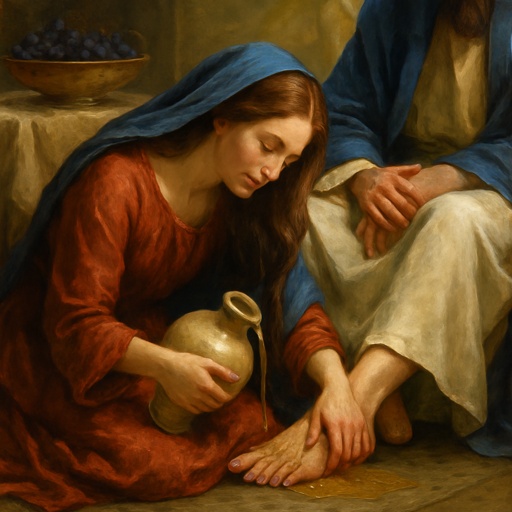
John 12:3

John 8:12

John 14:15-21

John 14:23-29
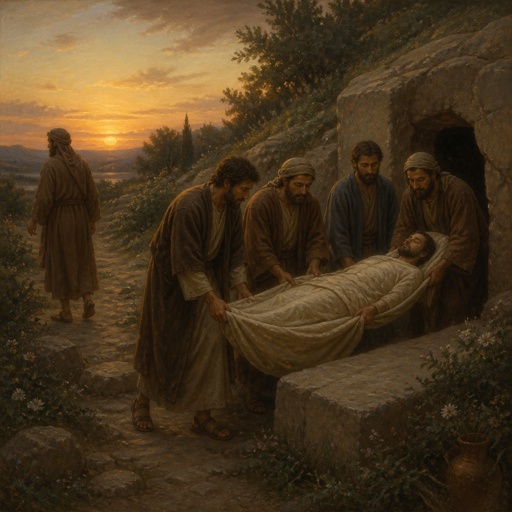
"And his disciples came, and took up the body, and buried it, and went and told Jesus." - Matthew 14:12

John 14:23-29

1 John 2:14

John 14:23-29

1 John 2:14