What does John 14:11 mean?
"Believe me that I am in the Father, and the Father in me: or else believe me for the very works' sake." - John 14:11
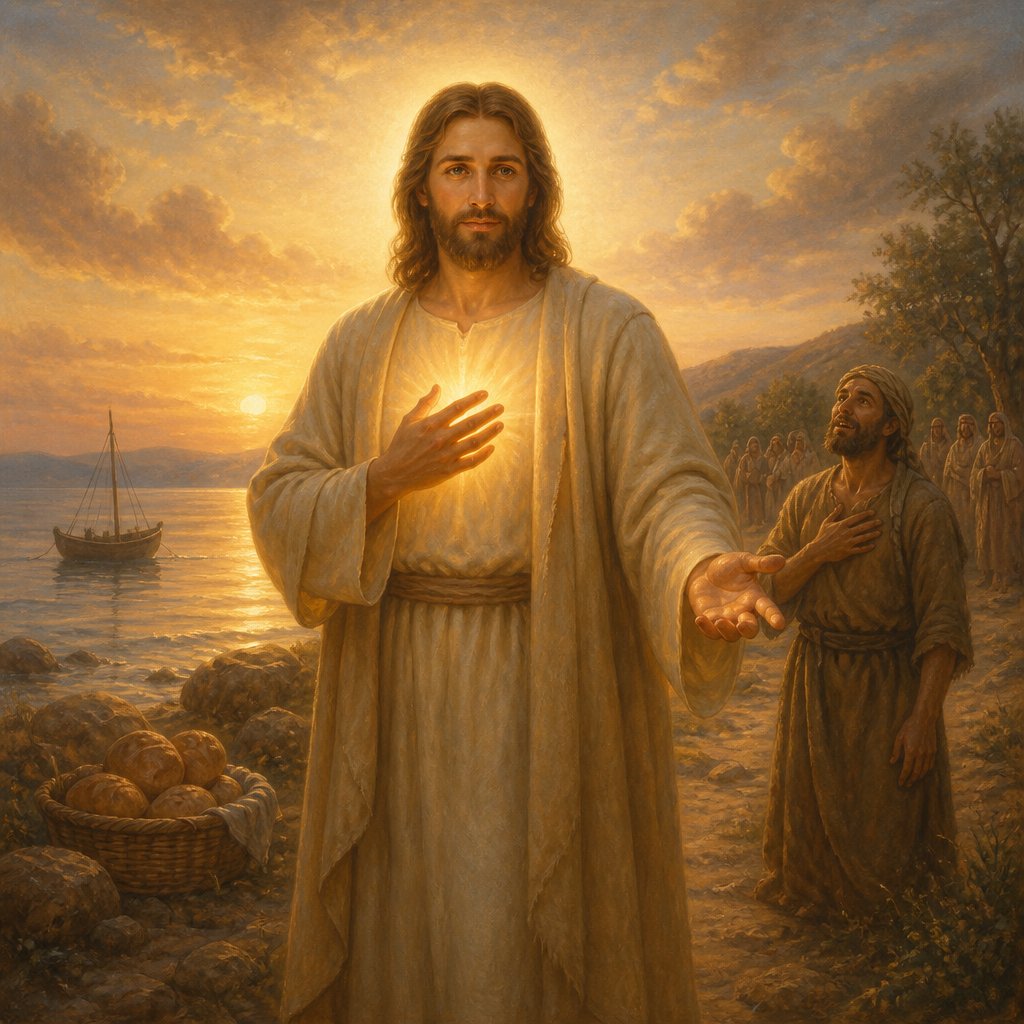
John 14:11 in the King James Version of the Bible reads, "Believe me that I am in the Father, and the Father in me: or else believe me for the very works' sake." In this verse, Jesus is speaking to his disciples, assuring them of his divine nature and unity with the Father. This verse is packed with theological significance and serves as a foundation for understanding the relationship between Jesus and God the Father.
The context of this verse is crucial for understanding its meaning. In the preceding verses, Jesus has been comforting his disciples, telling them not to be troubled and assuring them that he is going to prepare a place for them in heaven. He also promises to come back for them and take them to be with him. In verse 10, Jesus declares, "Believest thou not that I am in the Father, and the Father in me?" He is addressing the disbelief and uncertainty of his disciples, urging them to have faith in him and his divine nature.
In verse 11, Jesus continues to emphasize the inseparable unity between himself and the Father. He challenges his disciples to believe in this unity, not only based on his words but also on the miraculous works he has performed. The "very works' sake" refers to the miracles, signs, and wonders that Jesus had demonstrated throughout his ministry, which authenticated his claims of divinity.
One of the key themes of John 14:11 is the deity of Jesus Christ. By asserting that he is in the Father and the Father is in him, Jesus is making a profound statement about his identity. This declaration aligns with the overarching theme of the Gospel of John, which is to present Jesus as the Son of God who has come to reveal the Father and provide salvation for humanity. The unity between Jesus and the Father is a central aspect of Christian doctrine and is fundamental to understanding the Trinity.
Another important theme in this verse is faith. Jesus is calling his disciples to believe in him, not just for the sake of his words, but also based on the evidence of the miraculous works he has performed. This challenges the disciples to move beyond mere intellectual assent to a deeper, active trust in Jesus and his divine nature. The theme of faith is a recurring motif in the Gospel of John, as belief in Jesus is portrayed as the pathway to eternal life.
The symbolism in John 14:11 is primarily centered on the union between Jesus and the Father. The concept of being "in" someone speaks to a deep, intimate relationship, indicating that Jesus and the Father exist in a state of perfect unity and harmony. This imagery underscores the mysterious and transcendent nature of the Trinity, where the Father, Son, and Holy Spirit are distinct persons yet eternally united as one God.
Additionally, the reference to the "very works' sake" symbolizes the tangible evidence of Jesus' divine authority and power. His miracles served as signs pointing to his identity as the Son of God, validating his claims and providing a basis for belief. These miracles were not merely displays of supernatural ability, but also revealed the compassionate heart of God and his desire to bring healing and wholeness to a broken world.
In conclusion, John 14:11 captures the essence of Jesus' relationship with the Father and invites believers to place their trust in him based on both his words and his miraculous deeds. This verse encapsulates profound theological truths about the nature of Jesus Christ and the importance of faith in him. It continues to stand as a foundational teaching for Christians, affirming the divine identity of Jesus and his role in reconciling humanity to God.
Have questions about John 14:11?
Dive deeper into this scripture with Bible Chat — an AI-powered tool for exploring God's Word through conversation. Ask questions, get context, and grow in your understanding of the Bible.
Get Our Apps


John 14:11 Artwork
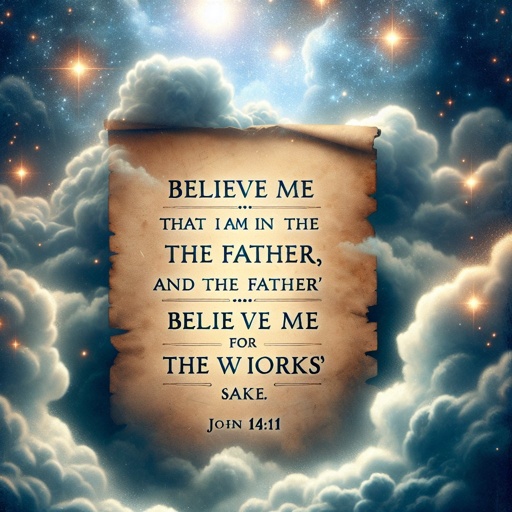
John 14:11 - "Believe me that I am in the Father, and the Father in me: or else believe me for the very works' sake."
"Believe me that I am in the Father, and the Father in me: or else believe me for the very works' sake." - John 14:11

John 11:14 - "Then said Jesus unto them plainly, Lazarus is dead."
"Then said Jesus unto them plainly, Lazarus is dead." - John 11:14
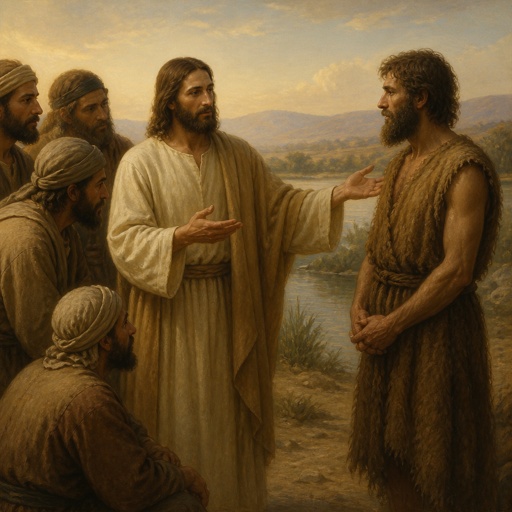
"And if ye will receive it, this is Elias, which was for to come." - Matthew 11:14

John 14:16

John 14:15-21

John 14

John 14:30

John 3:14

John 14:6

John 14:28

John 20:14

John 14:14 - "If ye shall ask any thing in my name, I will do it."

John (11:35) Jesus wept.
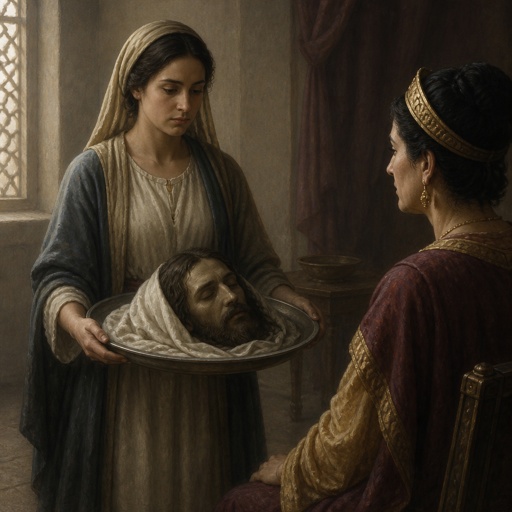
"And his head was brought in a charger, and given to the damsel: and she brought it to her mother." - Matthew 14:11
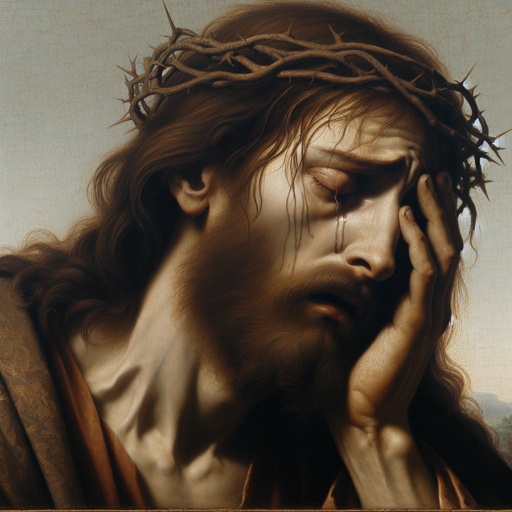
John (11:35) Jesus wept.

John (11:35) Jesus wept.

John 11:35

John 15.1-11

John 11:35

John (11:35) Jesus wept.

John (11:35) Jesus wept.

John (11:35) Jesus wept.

Nehemiah 11:11-14

John 14:23-29

John (11:35) Jesus wept.
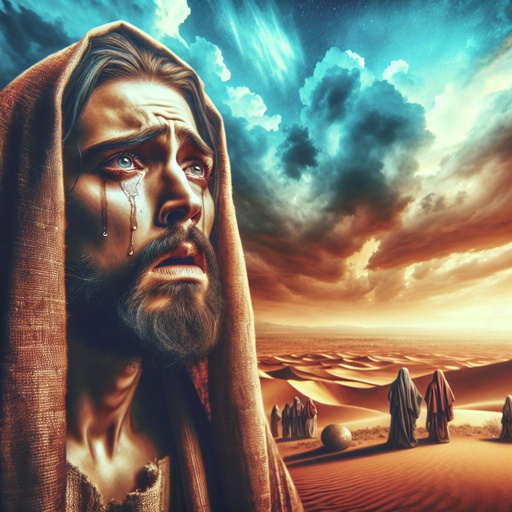
John (11:35) Jesus wept.

John (11:35) Jesus wept.
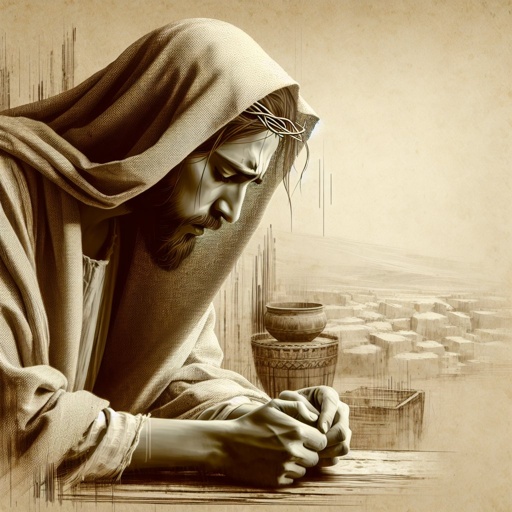
John 11:35 - "Jesus wept."