What does John 13:21 mean?
"When Jesus had thus said, he was troubled in spirit, and testified, and said, Verily, verily, I say unto you, that one of you shall betray me." - John 13:21
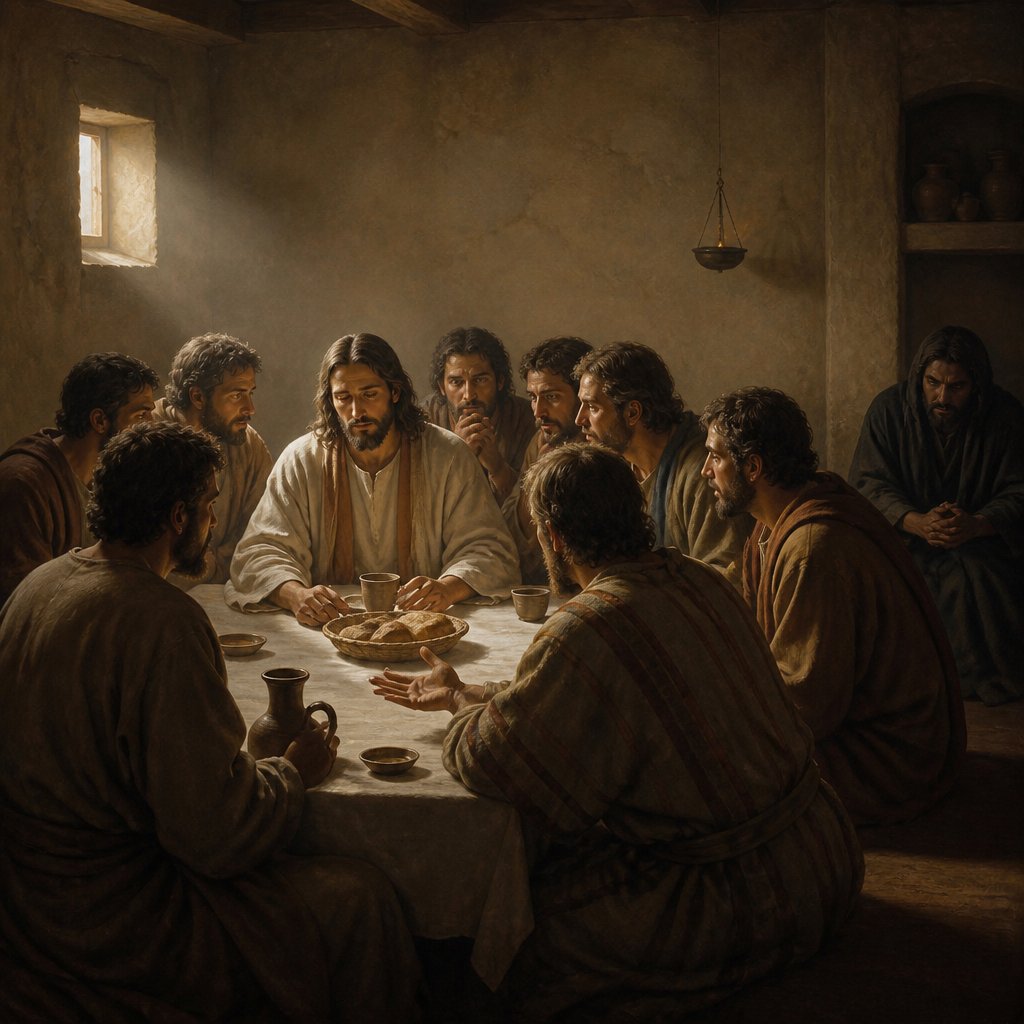
John 13:21 of the King James Version of the Bible reads, "When Jesus had thus said, he was troubled in spirit, and testified, and said, Verily, verily, I say unto you, that one of you shall betray me." This verse is a pivotal moment in the narrative of Jesus' life and has deep spiritual, emotional, and historical significance.
The context of this verse is important to understand its full meaning. It takes place during the Last Supper, where Jesus is sharing a final meal with his disciples before his crucifixion. During the meal, Jesus washes the disciples' feet to demonstrate humility and service. He then predicts his betrayal, which is a significant event leading to his ultimate sacrifice for humanity's sins.
The theme of betrayal is central to this verse. Jesus' statement not only predicts his betrayal by one of his closest followers but also highlights the universal experience of betrayal. The idea of being betrayed by a friend or loved one is a deeply painful and poignant human experience. Jesus, being fully divine and fully human, understands and experiences this depth of betrayal.
The emotional turmoil that Jesus experiences in this moment is also significant. The verse states that he was "troubled in spirit," which shows his deep emotional distress at the impending betrayal. This human experience of anguish and distress in the face of betrayal is something that many people can relate to. It's a reminder that even the Son of God experienced profound emotions and understands the pain and suffering of humanity.
The use of the phrase "verily, verily" (or "truly, truly" in some translations) emphasizes the seriousness and certainty of Jesus' words. It's a declaration of truth and integrity, underscoring the weight of what Jesus is saying. This phrase is used throughout the Gospels to introduce important teachings and statements, making it clear that Jesus' words are not to be taken lightly.
The symbolism in this verse is also rich and meaningful. Jesus' prediction of betrayal serves as a foreshadowing of his ultimate sacrifice on the cross. It is a reminder that Jesus knew what was to come and willingly faced it for the sake of humanity. The act of betrayal by one of his own disciples echoes the broader themes of sin, human frailty, and the need for redemption.
In a broader historical and theological context, this verse sets the stage for the events that will unfold in the following chapters of the Gospel of John. It marks the beginning of the end of Jesus' earthly ministry and sets in motion the events that will lead to his crucifixion and resurrection. It also serves as a powerful reminder of the human experience of suffering, betrayal, and sacrifice, and the divine purpose that underlies these experiences.
In conclusion, John 13:21 is a verse that carries deep emotional, spiritual, and historical significance. It captures the turmoil and anguish that Jesus experienced as he faced the impending betrayal by one of his closest followers. It also serves as a powerful symbol of the larger themes of redemption, sacrifice, and the divine purpose underlying human suffering. As a pivotal moment in the narrative of Jesus' life, this verse sets the stage for the events that will lead to his crucifixion and resurrection, making it a foundational and deeply meaningful passage in the Christian faith.
Have questions about John 13:21?
Dive deeper into this scripture with Bible Chat — an AI-powered tool for exploring God's Word through conversation. Ask questions, get context, and grow in your understanding of the Bible.
Get Our Apps


John 13:21 Artwork

John 13:21 - "When Jesus had thus said, he was troubled in spirit, and testified, and said, Verily, verily, I say unto you, that one of you shall betray me."
"When Jesus had thus said, he was troubled in spirit, and testified, and said, Verily, verily, I say unto you, that one of you shall betray me." - John 13:21

John 21:13 - "Jesus then cometh, and taketh bread, and giveth them, and fish likewise."

Habakkuk 2:1-3
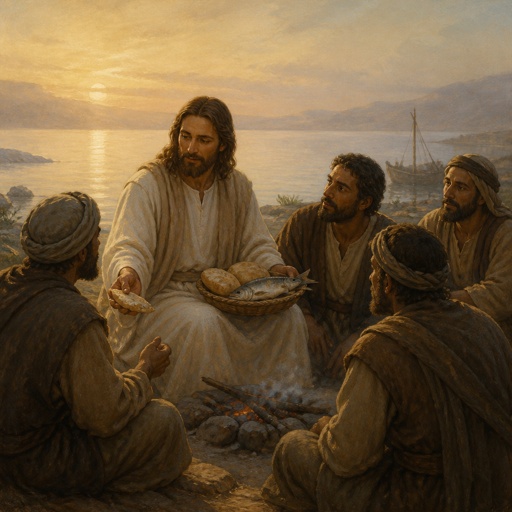
"Jesus then cometh, and taketh bread, and giveth them, and fish likewise." - John 21:13

John 20:21

john 21:9

John 21:6

John 21:21 - "Peter seeing him saith to Jesus, Lord, and what shall this man do?"

John 13

John 21:6

John 21:17

John 21:25

John 21:6

John 21:6

John 14:15-21

John 21:15-19

Luke 13:20-21

Luke 13:20-21
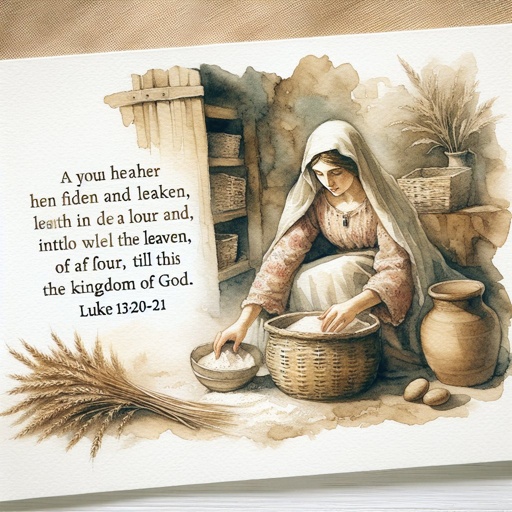
Luke 13:20-21

John 2:21 - "But he spake of the temple of his body."

Luke 13:20-21

Luke 13:20-21

Genesis 21-13

John 13:13 - "Ye call me Master and Lord: and ye say well; for so I am."

John 13:4-9

JOHN 6:11-13

John 20:11-13

1 John 4:13

John 13:31-35