What does John 13:12 mean?
"So after he had washed their feet, and had taken his garments, and was set down again, he said unto them, Know ye what I have done to you?" - John 13:12
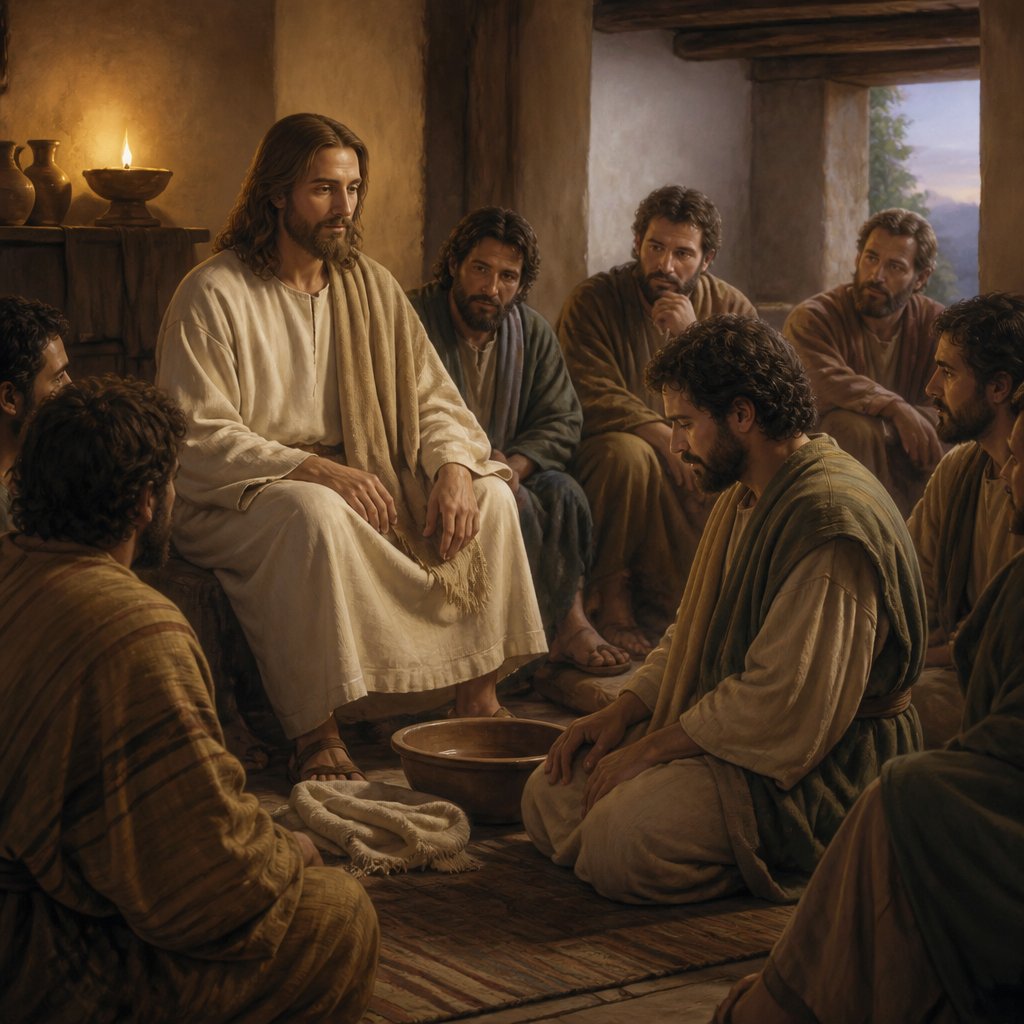
John 13:12 from the King James Version of the Bible reads, "So after he had washed their feet, and had taken his garments, and was set down again, he said unto them, Know ye what I have done to you?"
This verse is part of a larger passage that recounts the events of Jesus washing the feet of his disciples before the Last Supper. The passage begins with Jesus demonstrating humility and service by taking on the role of a servant and washing the feet of his disciples, which was a task typically reserved for the lowest of servants. The disciples were initially taken aback by Jesus' actions, as it was a reversal of societal norms and expectations. However, Jesus used this act to teach his disciples about the importance of humility, service, and love for one another.
The deeper context of this passage is significant in terms of the symbolism and themes it conveys. One of the central themes of this passage is humble service. By taking on the role of a servant and performing the task of washing his disciples' feet, Jesus exemplified the value of humility and selflessness. In doing so, he demonstrated to his disciples that true leadership and greatness come from serving others rather than seeking personal glory or power. This act was intended to teach his disciples a valuable lesson about the importance of putting others before themselves and serving with a heart of love and compassion.
The act of foot-washing also symbolizes the cleansing of sin and spiritual purification. In the cultural context of the time, foot-washing was a customary practice to clean one's feet after traveling on dusty and dirty roads. In the same way, the act of foot-washing serves as a metaphor for the spiritual cleansing that comes from Christ's sacrifice and forgiveness. By washing the feet of his disciples, Jesus was symbolically cleansing them of their sins and preparing them to partake in the spiritual communion of the Last Supper.
Furthermore, the act of foot-washing signifies the call to follow Christ's example and to live a life of sacrificial love and service. Jesus explicitly instructs his disciples to follow his example, saying in John 13:14-15, "If I then, your Lord and Master, have washed your feet; ye also ought to wash one another's feet. For I have given you an example, that ye should do as I have done to you." This call to emulate Jesus' humble and selfless actions is a challenge for all believers to serve one another with love and humility, regardless of social status or position.
The verse also emphasizes the importance of understanding the significance of Jesus' actions. In John 13:7, Jesus tells Peter, "What I do thou knowest not now; but thou shalt know hereafter." This statement underscores the need for the disciples to grasp the deeper spiritual meaning behind Jesus' actions. It also serves as a reminder for readers of the passage to seek understanding and insight into the profound teachings and actions of Jesus.
In conclusion, John 13:12 from the King James Version of the Bible carries significant meaning and symbolism, as it is a pivotal part of the narrative of Jesus' humble act of washing the feet of his disciples. The passage effectively conveys themes of humble service, spiritual cleansing, and the call to follow Christ's example of sacrificial love and humility. It serves as a powerful reminder for believers to emulate Jesus' example and to seek a deeper understanding of his teachings and actions.
Have questions about John 13:12?
Dive deeper into this scripture with Bible Chat — an AI-powered tool for exploring God's Word through conversation. Ask questions, get context, and grow in your understanding of the Bible.
Get Our Apps


John 13:12 Artwork
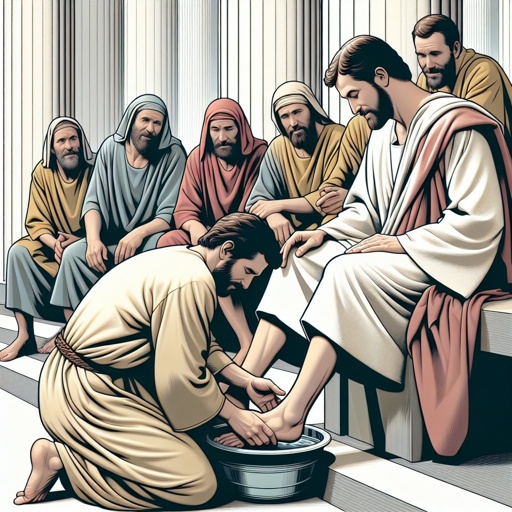
John 13:12 - "So after he had washed their feet, and had taken his garments, and was set down again, he said unto them, Know ye what I have done to you?"
"So after he had washed their feet, and had taken his garments, and was set down again, he said unto them, Know ye what I have done to you?" - John 13:12
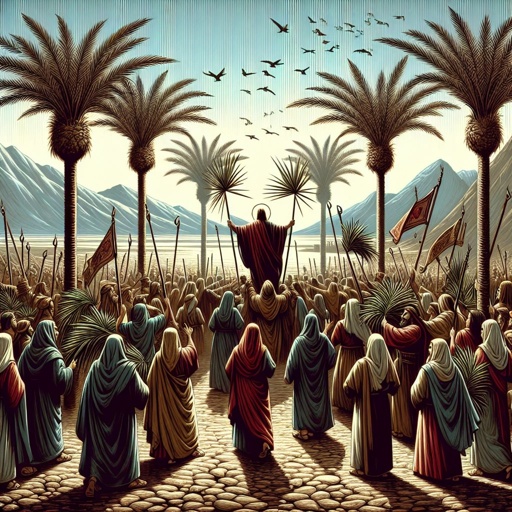
John 12:13 - "Took branches of palm trees, and went forth to meet him, and cried, Hosanna: Blessed is the King of Israel that cometh in the name of the Lord."

John 15:12-13 - "My command is this: Love each other as I have loved you. Greater love has no one than this: to lay down one’s life for one’s friends."

John 13
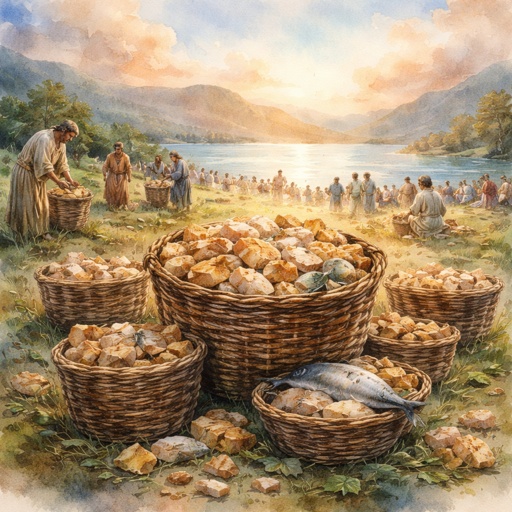
John 6:12

John 8:12

John 12:25

John 8:12

John 8:12
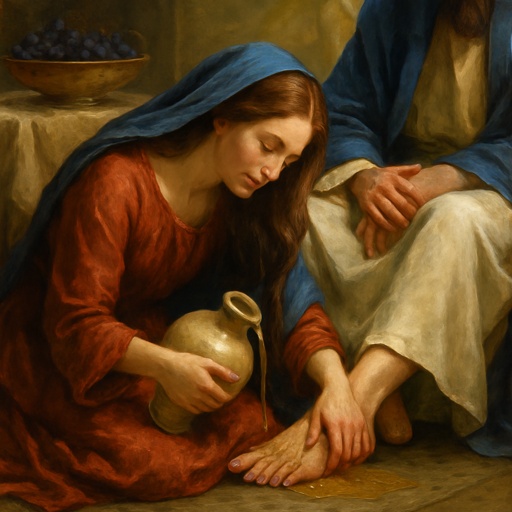
John 12:3

John 8:12

John 13:13 - "Ye call me Master and Lord: and ye say well; for so I am."

John 13:4-9

JOHN 6:11-13

John 20:11-13
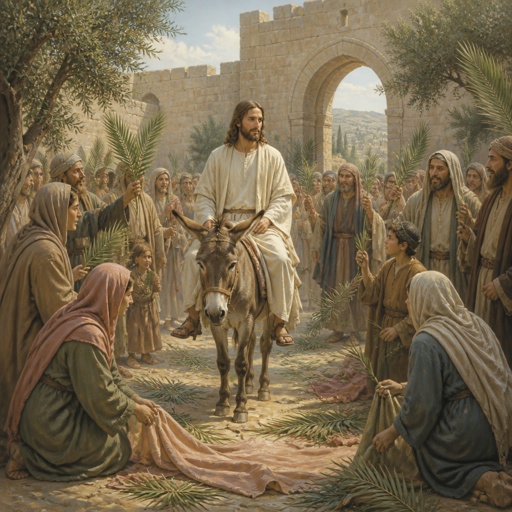
"Took branches of palm trees, and went forth to meet him, and cried, Hosanna: Blessed is the King of Israel that cometh in the name of the Lord." - John 12:13

John 20:11-12

1 John 4:13

John 13:31-35

John 12:12 - "¶ On the next day much people that were come to the feast, when they heard that Jesus was coming to Jerusalem,"

1 Corinthians 12:12-13

John 9:13 - "¶ They brought to the Pharisees him that aforetime was blind."

John 2:13 - "¶ And the Jews' passover was at hand, and Jesus went up to Jerusalem,"

John 10:13 - "The hireling fleeth, because he is an hireling, and careth not for the sheep."

Matthew 11:13 - "For all the prophets and the law prophesied until John."

John 19:12-13 - "From then on, Pilate tried to release him, but the Jews cried out, "If you let this man go, you are no friend of Caesar. Anyone who claims to be a king opposes Caesar." When Pilate heard this, he brought Jesus out and sat down on the judge's seat at a place known as the Stone Pavement (which in Aramaic is Gabbatha)."

1 John 2:12-13 - "I am writing to you, dear children, because your sins have been forgiven on account of his name. I am writing to you, fathers, because you know him who is from the beginning. I am writing to you, young men, because you have overcome the evil one."

Acts 12:2 - "And he killed James the brother of John with the sword."

Exodus 12:13