What does John 12:9 mean?
"Much people of the Jews therefore knew that he was there: and they came not for Jesus' sake only, but that they might see Lazarus also, whom he had raised from the dead." - John 12:9
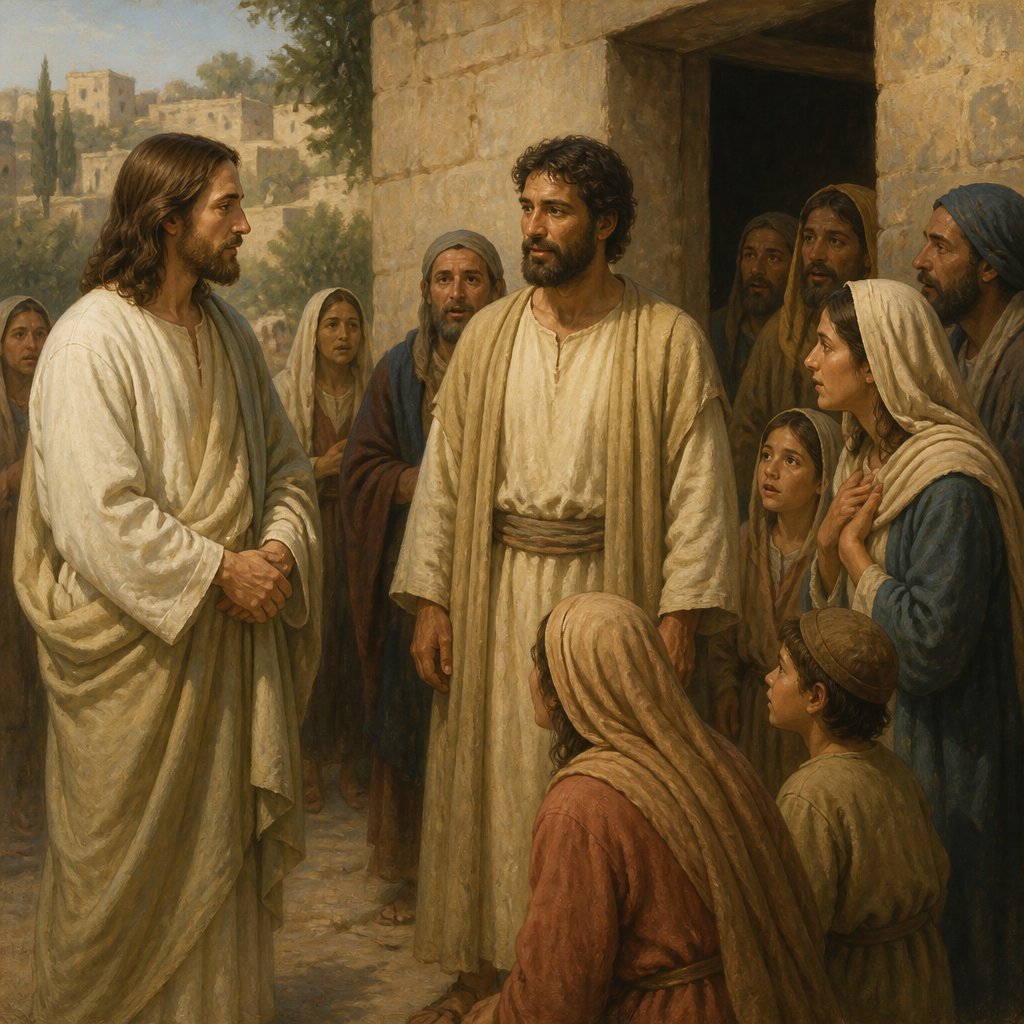
The Bible verse John 12:9 from the King James Version (KJV) states, "Much people of the Jews therefore knew that he was there: and they came, not for Jesus' sake only, but that they might see Lazarus also, whom he had raised from the dead."
In this verse, we find Jesus in the town of Bethany, where he is attending a dinner in his honor. The verse reveals that many people, particularly Jews, had come to know that Jesus was in Bethany. However, the verse also reveals that the true motivation for some of the people was not solely to see Jesus, but also to witness the man Lazarus, whom Jesus had recently raised from the dead.
This verse provides a significant insight into the complexities of human nature and the reactions to Jesus' miracles. The people's desire to see Lazarus, who had been raised from the dead, reflects the human fascination with the supernatural and the miraculous. It also underscores the impact of Jesus' miracles on the people of his time.
One of the central themes of this verse is the impact of Jesus' miracles on the people around him. The verse reveals the widespread knowledge of Jesus' miracle of raising Lazarus from the dead, and the subsequent curiosity and fascination it provoked among the people. It is a testament to the power and significance of Jesus' miracles in drawing crowds and generating interest in his teachings and ministry.
The verse also reflects the underlying skepticism and curiosity of the people. While some were drawn by genuine faith and a desire to see Jesus, others were interested in the spectacle of Lazarus' resurrection. This duality in the people's motivations points to the enduring struggle between faith and skepticism, belief and doubt, that has persisted throughout the ages.
Another important aspect of this verse is the symbolism of Lazarus' resurrection. The resurrection of Lazarus from the dead serves as a powerful symbol of Jesus' divine authority and power over death. It foreshadows Jesus' own resurrection and serves as a testament to his identity as the Son of God. The people's desire to see Lazarus is a reflection of their recognition of the significance of this miracle and its bearing on their understanding of Jesus' identity and mission.
Moreover, this verse also speaks to the broader context of Jesus' ministry and the increasing hostility and opposition he faced from the religious authorities and the people. The growing attention and interest in Jesus and his miracles were accompanied by mounting hostility and opposition from the religious leaders. This sets the stage for the events leading to Jesus' crucifixion and embodies the ongoing conflict between Jesus and the religious establishment.
In conclusion, John 12:9 from the King James Version of the Bible offers a profound commentary on the impact of Jesus' miracles, human curiosity and skepticism, and the growing opposition to his ministry. It serves as a reminder of the enduring power of Jesus' miracles and the timeless struggle between faith and doubt. The symbolism of Lazarus' resurrection and its significance in affirming Jesus' identity and mission is a central theme that underscores the divine authority and power of Jesus. This verse remains a poignant and thought-provoking reflection on the complexities of human nature and the enduring relevance of Jesus' ministry.
Have questions about John 12:9?
Dive deeper into this scripture with Bible Chat — an AI-powered tool for exploring God's Word through conversation. Ask questions, get context, and grow in your understanding of the Bible.
Get Our Apps


John 12:9 Artwork

John 12:9 - "Much people of the Jews therefore knew that he was there: and they came not for Jesus' sake only, but that they might see Lazarus also, whom he had raised from the dead."
"Much people of the Jews therefore knew that he was there: and they came not for Jesus' sake only, but that they might see Lazarus also, whom he had raised from the dead." - John 12:9

John 9:12 - "Then said they unto him, Where is he? He said, I know not."
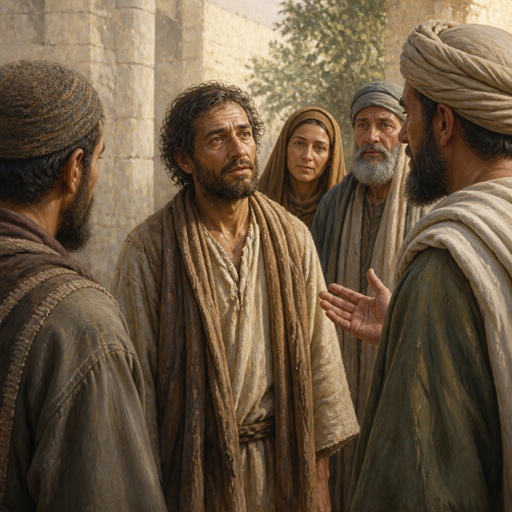
"Then said they unto him, Where is he? He said, I know not." - John 9:12
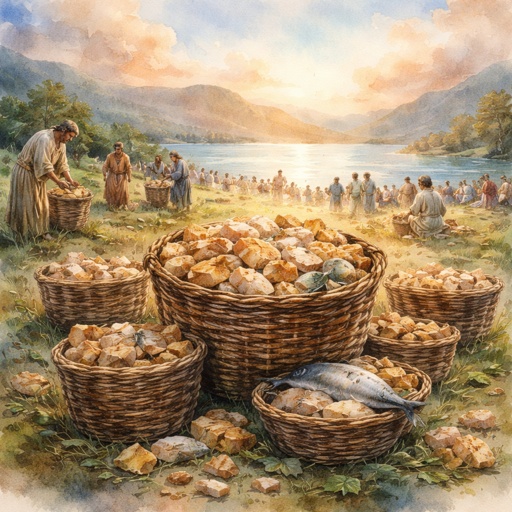
John 6:12

John 8:12

john 21:9

John 12:25

John 8:12

John 8:12
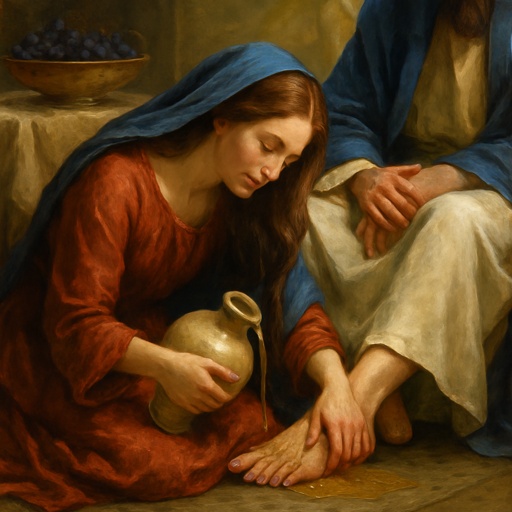
John 12:3

John 8:12

John 10:9

John 10:9

John 10:9

John 20:11-12

John 6:8-9

John 9:1-3

John 13:4-9

John 9:1-41

1 John 1:9

John 12:12 - "¶ On the next day much people that were come to the feast, when they heard that Jesus was coming to Jerusalem,"

John 15:9-10

John 15:9-10

John 16:9 - "Of sin, because they believe not on me;"

John 9:9 - "Some said, This is he: others said, He is like him: but he said, I am he."

John 9:13 - "¶ They brought to the Pharisees him that aforetime was blind."

Acts 12:2 - "And he killed James the brother of John with the sword."

Luke 9:9 - "And Herod said, John have I beheaded: but who is this, of whom I hear such things? And he desired to see him."

John 12:39 - "Therefore they could not believe, because that Esaias said again,"