What does John 12:44 mean?
"¶ Jesus cried and said, He that believeth on me, believeth not on me, but on him that sent me." - John 12:44
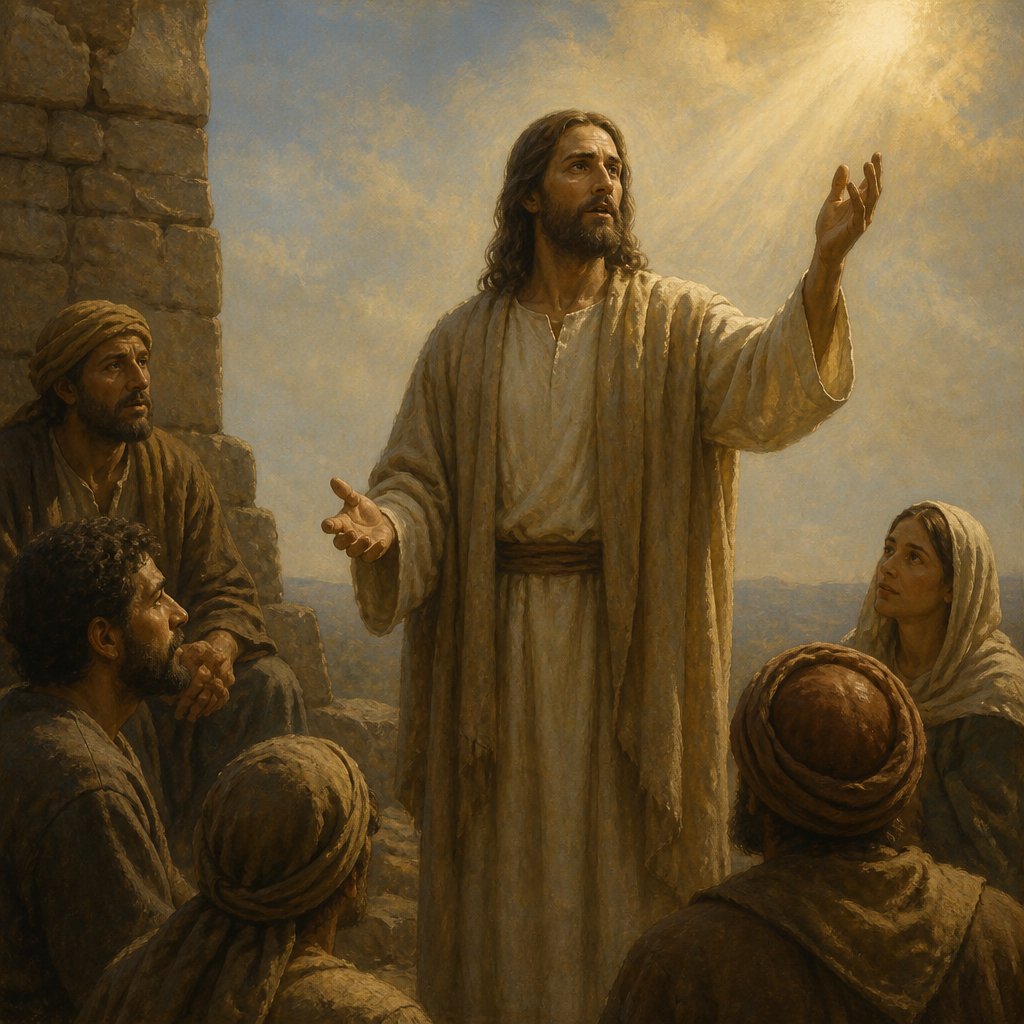
In John 12:44 (KJV) Jesus cries out and says, "He that believeth on me, believeth not on me, but on him that sent me."
This verse is a profound statement made by Jesus, wherein he emphasizes the importance of belief in him and in God the Father. This verse comes at a crucial point in the Gospel of John, as it is situated within the context of Jesus' public ministry and his impending crucifixion. In the preceding verses, Jesus had just been speaking about his impending death, and the necessity of following him in order to gain eternal life. He had also just spoken about the judgment that would come to those who reject his words, and his assertion that his teachings were not his own, but came from the Father who had sent him.
The theme present in this verse revolves around the concept of faith and belief. Here, Jesus is stressing the point that whoever believes in him is not merely putting their faith in him as an individual, but is actually putting their faith in the One who sent him, which is God the Father. This verse highlights the interconnectedness of belief in Jesus and belief in God, as Jesus is essentially the physical representation of the will and teachings of the Father.
Furthermore, this verse also serves as a reminder of Jesus' divine nature and his role as the intermediary between humanity and God. It emphasizes the inseparable bond between Jesus and the Father, affirming the Trinitarian understanding of God in Christian theology. By believing in Jesus, one is ultimately acknowledging the authority and divinity of God the Father.
In the context of the wider narrative of the Gospel of John, this verse also acts as a foreshadowing of Jesus' sacrificial death on the cross. Jesus knew that his time on earth was coming to an end, and that he would soon be betrayed, crucified, and ultimately resurrected. By affirming the importance of belief in him and in the Father, Jesus was preparing his disciples for the trials and challenges they would face after his departure.
Symbolically, this verse represents the foundational principle of Christianity - that salvation and eternal life come through faith in Jesus Christ. It underscores the central tenet of Christian belief, which is the atoning sacrifice of Jesus Christ on the cross for the redemption of humanity. In this sense, the verse serves as a reminder of the significance of Jesus' mission on earth, and the transformative power of faith in him.
In summary, John 12:44 (KJV) is a powerful declaration made by Jesus, underscoring the inseparable link between belief in him and belief in God the Father. It encapsulates the essence of Christian faith, and serves as a guiding principle for believers to put their trust in Jesus as the embodiment of God's will and teachings. This verse is both a call to faith and a reassurance of the divine nature of Jesus, with implications that resonate throughout the entirety of the Christian faith.
Have questions about John 12:44?
Dive deeper into this scripture with Bible Chat — an AI-powered tool for exploring God's Word through conversation. Ask questions, get context, and grow in your understanding of the Bible.
Get Our Apps


John 12:44 Artwork

John 12:44 - "¶ Jesus cried and said, He that believeth on me, believeth not on me, but on him that sent me."

"¶ Jesus cried and said, He that believeth on me, believeth not on me, but on him that sent me." - John 12:44

John 8:44

John 8:44

John 8:44

John 11,43, 44

John 1:44 - "Now Philip was of Bethsaida, the city of Andrew and Peter."

Mark 12:41 - 44
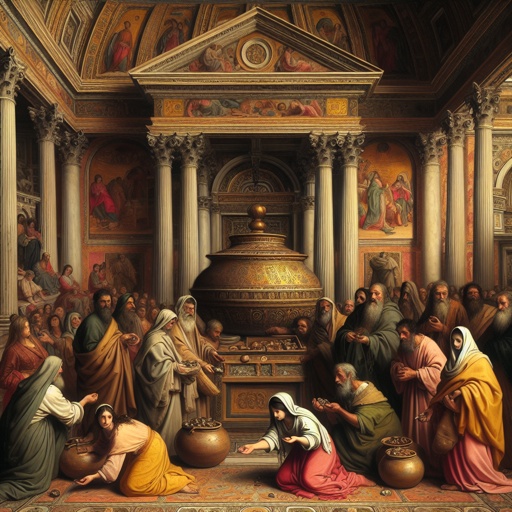
Mark 12:41 - 44

Mark 12:41 - 44

Mark 12:41 - 44

Mark 12:41 - 44

John 4:44 - "For Jesus himself testified, that a prophet hath no honour in his own country."

John 7:44 - "And some of them would have taken him; but no man laid hands on him."

John 11:43-44 – "When he had said this, Jesus called in a loud voice, 'Lazarus, come out!'"

"Now Philip was of Bethsaida, the city of Andrew and Peter." - John 1:44

Genesis 44:12 - "And he searched, and began at the eldest, and left at the youngest: and the cup was found in Benjamin's sack."

Psalms 44:12 - "Thou sellest thy people for nought, and dost not increase thy wealth by their price."

John 5:44 - "How can ye believe, which receive honour one of another, and seek not the honour that cometh from God only?"

Luke 12:44 - "Of a truth I say unto you, that he will make him ruler over all that he hath."

John 6:44 - "No man can come to me, except the Father which hath sent me draw him: and I will raise him up at the last day."

Exodus 12:44 - "But every man's servant that is bought for money, when thou hast circumcised him, then shall he eat thereof."

"For Jesus himself testified, that a prophet hath no honour in his own country." - John 4:44

Mark 12:44 - "For all they did cast in of their abundance; but she of her want did cast in all that she had, even all her living."

John 11:44 - "And he that was dead came forth, bound hand and foot with graveclothes: and his face was bound about with a napkin. Jesus saith unto them, Loose him, and let him go."

"And some of them would have taken him; but no man laid hands on him." - John 7:44

Matthew 12:44 - "Then he saith, I will return into my house from whence I came out; and when he is come, he findeth it empty, swept, and garnished."

John 6:12

John 8:12

John 12:25