What does John 12:28 mean?
"Father, glorify thy name. Then came there a voice from heaven, saying, I have both glorified it, and will glorify it again." - John 12:28

John 12:28 (KJV) states, "Father, glorify thy name. Then came there a voice from heaven, saying, I have both glorified it, and will glorify it again." This verse is part of a larger passage in the Gospel of John that depicts the events leading up to Jesus' crucifixion. The verse holds significant meaning and offers insight into the relationship between God the Father and Jesus, his son, as well as the themes of glorification, purpose, and the divine plan.
The context of John 12:28 is essential for understanding its meaning. Jesus had just been speaking to the crowd, predicting his impending death and resurrection. He emphasized that his death would serve as a beacon of hope and salvation for all who believe in him. In the midst of these revelations, Jesus utters this prayer, asking the Father to glorify His name. This request is an expression of Jesus' submission to the divine plan, his willingness to fulfill his purpose, and his desire to bring glory to God.
The phrase "glorify thy name" is rich with symbolism and significance. Glorifying God's name is an act of acknowledging and magnifying His greatness, holiness, and sovereignty. By asking for the Father to glorify His name, Jesus is demonstrating his devotion to the will of God and his commitment to fulfilling his role in the divine plan. It also illustrates the unity and harmonious relationship between the Father and the Son, as Jesus' request reflects his reverence for the Father's will and his desire to see God's name exalted.
The response to Jesus' prayer is equally profound. A voice from heaven is heard, affirming that God had already glorified His name and would continue to do so. This divine affirmation not only serves as a reassurance to Jesus but also as a confirmation of his mission and purpose. It underscores the significance of Jesus' impending sacrifice and the fulfillment of God's redemptive plan for humanity. It also serves as a public declaration of God's approval of Jesus and his ministry, validating Jesus' authority and message.
Furthermore, the use of the voice from heaven in this passage is reminiscent of significant events in the Old Testament, such as the baptism of Jesus and the transfiguration, where God's voice affirmed Jesus' identity and mission. This connection alludes to the continuity of God's plan throughout history and the fulfillment of prophecies regarding the Messiah, strengthening Jesus' claim as the Son of God and the fulfillment of God's promises.
This verse also highlights the theme of glorification, which is central to the Gospel of John. Throughout the gospel, Jesus repeatedly emphasizes the importance of glorifying the Father and fulfilling the purpose for which he was sent. His ultimate act of glorification comes through his sacrificial death on the cross, where he would be lifted up and draw all people to himself (John 12:32). In this sense, glorification is intertwined with the themes of redemption and salvation, as Jesus' death and resurrection bring glory to God and provide a means for humanity to be reconciled with Him.
In conclusion, John 12:28 is a pivotal verse that encapsulates the profound relationship between Jesus and the Father, the fulfillment of divine purpose, and the overarching theme of glorification. It provides insight into Jesus' unwavering commitment to the Father's will, the divine approval of his mission, and the significance of his impending sacrifice. It also serves as a prelude to the climactic events of Jesus' crucifixion and resurrection, which would ultimately bring glory to God and offer salvation to all who believe. This verse stands as a testament to the unity of the Father and the Son, the unwavering commitment to the divine plan, and the fulfillment of God's redemptive purposes in Jesus Christ.
Have questions about John 12:28?
Dive deeper into this scripture with Bible Chat — an AI-powered tool for exploring God's Word through conversation. Ask questions, get context, and grow in your understanding of the Bible.
Get Our Apps


John 12:28 Artwork

John 12:28 - "Father, glorify thy name. Then came there a voice from heaven, saying, I have both glorified it, and will glorify it again."

"Father, glorify thy name. Then came there a voice from heaven, saying, I have both glorified it, and will glorify it again." - John 12:28

John 5:28

John 14:28

John 5:28

John 5:28

John 1:28 - "These things were done in Bethabara beyond Jordan, where John was baptizing."

Isaiah 28:12

Isaiah 28:12

Genesis 28-12

Acts 28:12

Mark 8:28 - "And they answered, John the Baptist: but some say, Elias; and others, One of the prophets."

"These things were done in Bethabara beyond Jordan, where John was baptizing." - John 1:28

John 20:28 - "And Thomas answered and said unto him, My Lord and my God."

John 5:28 - "Marvel not at this: for the hour is coming, in the which all that are in the graves shall hear his voice,"

John 13:28 - "Now no man at the table knew for what intent he spake this unto him."

John 9:28 - "Then they reviled him, and said, Thou art his disciple; but we are Moses' disciples."
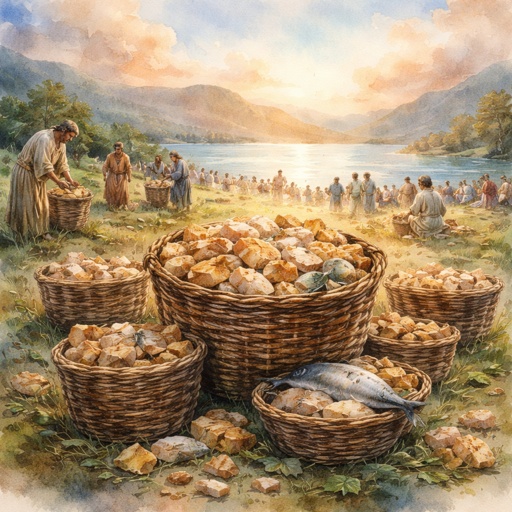
John 6:12

John 8:12

John 4:28 - "The woman then left her waterpot, and went her way into the city, and saith to the men,"

John 12:25

John 8:12

John 8:12

John 12:3

John 8:12

Acts 28:12 - "And landing at Syracuse, we tarried there three days."

Proverbs 12:28 - "In the way of righteousness is life; and in the pathway thereof there is no death."

John 6:28 - "Then said they unto him, What shall we do, that we might work the works of God?"

John 20:11-12

Job 28:12 - "But where shall wisdom be found? and where is the place of understanding?"