What does John 12:25 mean?
"He that loveth his life shall lose it; and he that hateth his life in this world shall keep it unto life eternal." - John 12:25

John 12:25 in the King James Version of the Bible states, "He that loveth his life shall lose it; and he that hateth his life in this world shall keep it unto life eternal." This verse is extracted from the New Testament, and is part of a larger passage that recounts Jesus' declaration about his forthcoming death and resurrection. In this verse, Jesus conveys a profound truth about the countercultural nature of the Christian faith and the necessity of self-sacrifice in following him.
The context of this verse is crucial for understanding its deeper meaning. In the preceding verses, Jesus is explaining to his disciples the significance of his impending death. He draws a parallel between the natural world and the spiritual realm, using the illustration of a seed that must fall to the ground and die in order to bear fruit. In the same way, he indicates that his own death is necessary for the salvation of humanity. This sets the stage for the weight of his words in John 12:25, as he challenges his followers to consider their own lives in light of his sacrificial example.
The themes of self-denial, eternal life, and the paradoxical nature of the Christian life are central to the meaning of this verse. Jesus presents a stark contrast between two approaches to life: one marked by self-centered love and attachment to worldly pleasures, and the other characterized by a willingness to surrender one's own desires and ambitions for the sake of God's kingdom. The statement, "He that loveth his life shall lose it," reflects the idea that those who prioritize their own comfort and desires above all else will ultimately find emptiness and spiritual poverty. Conversely, "he that hateth his life in this world shall keep it unto life eternal" points to the paradoxical truth that true fulfillment and everlasting life are found through selfless devotion to God and others.
This verse also touches on the theme of eternal life, which is a central tenet of the Christian faith. Jesus emphasizes that true life, in its fullest and most abundant sense, is not found in the pursuit of worldly pleasures or the preservation of one's own interests, but rather in the surrender of the self for the sake of Christ. This echoes Jesus' teachings in other parts of the gospels, where he promises eternal life to those who believe in him and follow his teachings.
The symbolism in this verse is deeply profound and speaks to the heart of the Christian message. The imagery of losing one's life in order to gain it mirrors the sacrificial death and subsequent resurrection of Jesus Christ. It also reflects the broader biblical theme of death leading to new life, as evidenced in the natural world and manifest in the spiritual realm. Additionally, the contrast between love and hate in relation to one's life underscores the radical transformation that occurs when one embraces the selfless love of God and turns away from self-centeredness.
In conclusion, John 12:25 encapsulates a profound spiritual truth about the nature of the Christian life and the path to eternal fulfillment. Jesus challenges his followers to embrace a radical form of self-denial and love that stands in stark contrast to the values of the world. Through its themes of self-sacrifice, eternal life, and the transformative power of Christ's love, this verse continues to inspire and challenge believers to live lives marked by selfless devotion to God and others.
Have questions about John 12:25?
Dive deeper into this scripture with Bible Chat — an AI-powered tool for exploring God's Word through conversation. Ask questions, get context, and grow in your understanding of the Bible.
Get Our Apps


John 12:25 Artwork

John 12:25

John 12:25 - "He that loveth his life shall lose it; and he that hateth his life in this world shall keep it unto life eternal."

John 12:25…Anyone who loves their life will lose it, while anyone who hates their life in this world will keep it for eternal life.

"He that loveth his life shall lose it; and he that hateth his life in this world shall keep it unto life eternal." - John 12:25

Acts 12:25 - "And Barnabas and Saul returned from Jerusalem, when they had fulfilled their ministry, and took with them John, whose surname was Mark."

John 18:25

John 15.12-25

John 21:25

John 19:25-27
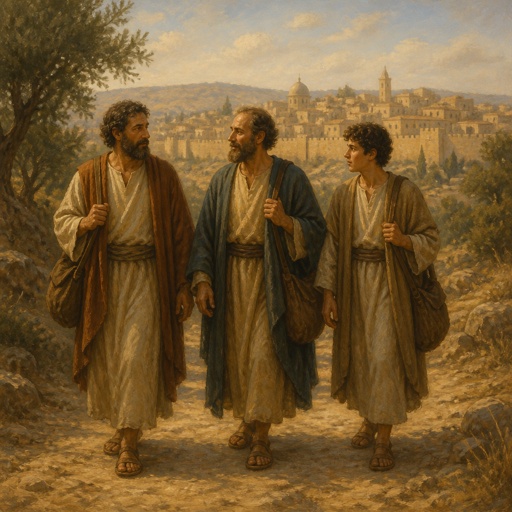
"And Barnabas and Saul returned from Jerusalem, when they had fulfilled their ministry, and took with them John, whose surname was Mark." - Acts 12:25

John 19:25-27

Genesis 25:12

Luke 12:25

Luke 12:25

John 19:25-27 with emphasis on Mary

John 7:25 - "Then said some of them of Jerusalem, Is not this he, whom they seek to kill?"
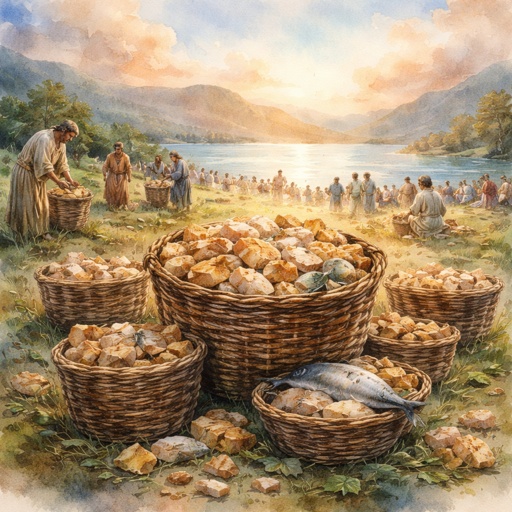
John 6:12

John 8:12

John 3:25 - "¶ Then there arose a question between some of John's disciples and the Jews about purifying."
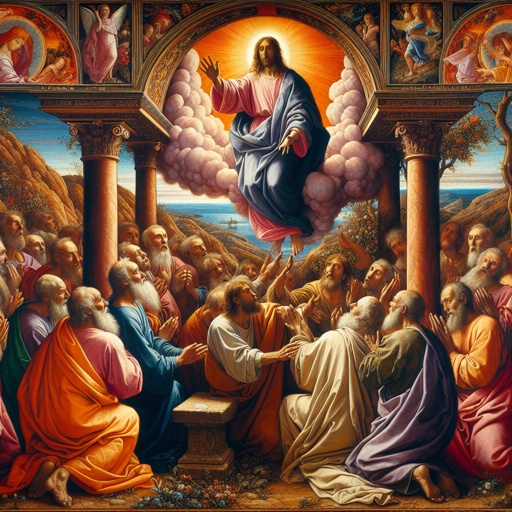
Luke 12:25-26

Luke 12:25-26

Luke 12:25-26

Luke 12:25-26

Luke 12:25-26

Luke 12:25-26

Luke 12:25-26

John 8:12

John 8:12
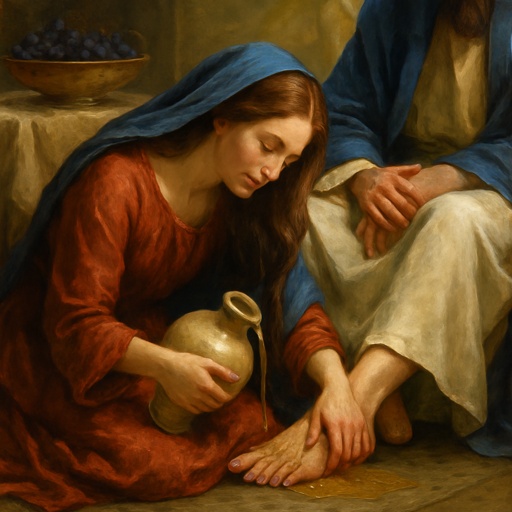
John 12:3

John 8:12