What does John 12:22 mean?
"Philip cometh and telleth Andrew: and again Andrew and Philip tell Jesus." - John 12:22
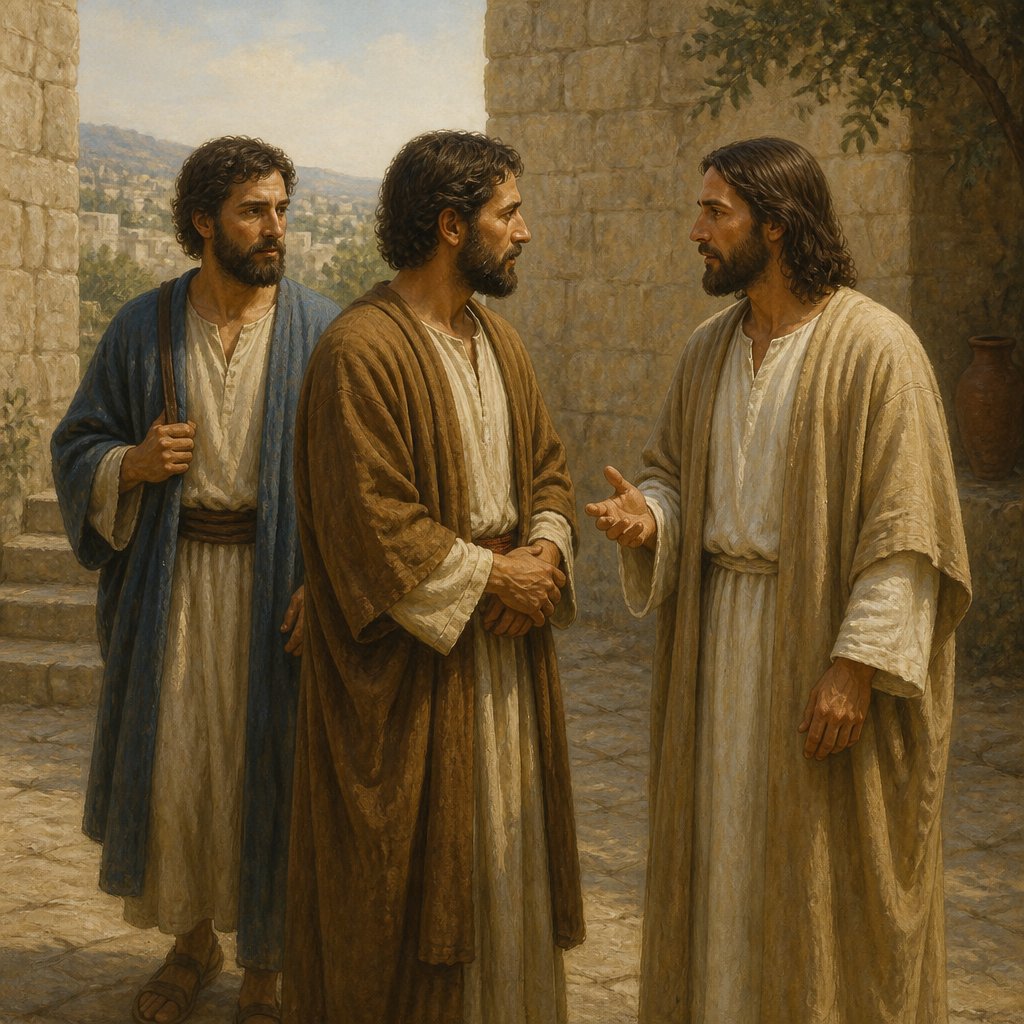
John 12:22 reads, "Philip cometh and telleth Andrew: and again Andrew and Philip tell Jesus." This seemingly simple verse actually contains a depth of meaning and significance within its context and symbolism.
In this verse, Philip and Andrew are coming to Jesus with a request. But before we delve into their request, let's first examine the context surrounding this verse. In the preceding verses, we read about a group of Greeks who had come to Jerusalem to worship at the feast. These Greeks approach Philip, expressing their desire to see Jesus. And it is in response to this request that Philip and Andrew come to tell Jesus.
This verse is significant on several levels. First, it highlights the universality of Jesus's message. The fact that non-Jews, specifically Greeks, are seeking to see Jesus symbolizes the extension of the Gospel to all people, regardless of their nationality or ethnicity. This is a foreshadowing of the Great Commission, where Jesus instructs his disciples to go and make disciples of all nations (Matthew 28:19).
Furthermore, the action of Philip and Andrew in bringing the Greeks to Jesus demonstrates their role as intermediaries between the Gentiles and Jesus. This role would become increasingly important in the early church as the message of Jesus spread beyond the Jewish community.
Another layer of meaning in this verse is the symbolism of the Greeks themselves. In the context of the Gospel of John, the Greeks represent the world outside of the Jewish community. Their desire to see Jesus represents the longing of all people, Gentiles included, for salvation and reconciliation with God. This further reinforces the universal scope of Jesus's mission and the inclusivity of his message.
Now, let's examine the specific actions of Philip and Andrew in this verse. Their role as intermediaries between the Greeks and Jesus is significant. In a broader sense, this reflects the role of all believers as ambassadors for Christ (2 Corinthians 5:20). It is through the testimony and witness of believers that others come to encounter Jesus. This verse serves as a reminder of the responsibility that all Christians have in sharing the message of Jesus with the world.
Finally, the fact that Philip and Andrew bring the Greeks to Jesus also highlights the importance of community and collaboration in the Christian faith. Philip and Andrew work together to bring the Greeks to Jesus, demonstrating the value of teamwork and partnership in fulfilling the mission of the church. This theme of unity and cooperation is echoed throughout the New Testament, emphasizing the significance of believers working together in spreading the Gospel.
In conclusion, John 12:22 holds great significance within its context and symbolism. It serves as a reminder of the universal nature of Jesus's message, the role of believers as ambassadors for Christ, and the importance of collaboration and community in fulfilling the mission of the church. This verse challenges us to consider our own role in sharing the message of Jesus with the world and serves as an inspiration for unity and inclusivity within the body of Christ.
Have questions about John 12:22?
Dive deeper into this scripture with Bible Chat — an AI-powered tool for exploring God's Word through conversation. Ask questions, get context, and grow in your understanding of the Bible.
Get Our Apps


John 12:22 Artwork

John 12:22 - "Philip cometh and telleth Andrew: and again Andrew and Philip tell Jesus."
"Philip cometh and telleth Andrew: and again Andrew and Philip tell Jesus." - John 12:22

John 10:22 - "¶ And it was at Jerusalem the feast of the dedication, and it was winter."

1 Corinthians 12:12-22
John 6:12

John 8:12

John 12:25

John 8:12

John 8:12
John 12:3

John 8:12

Genesis 22-12

John 20:11-12

John 13:22 - "Then the disciples looked one on another, doubting of whom he spake."

John 12:12 - "¶ On the next day much people that were come to the feast, when they heard that Jesus was coming to Jerusalem,"

John 5:22 - "For the Father judgeth no man, but hath committed all judgment unto the Son:"

John 19:22 - "Pilate answered, What I have written I have written."

Genesis 22:11-12

Genesis 22:11-12

Genesis 22:11-12.
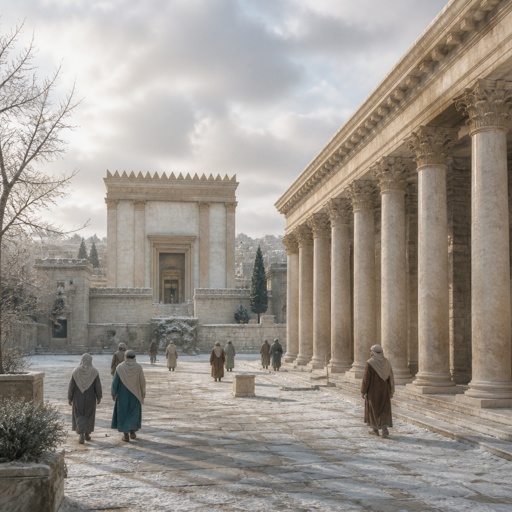
"¶ And it was at Jerusalem the feast of the dedication, and it was winter." - John 10:22

Acts 12:2 - "And he killed James the brother of John with the sword."

John 12:39 - "Therefore they could not believe, because that Esaias said again,"

John 12:43 - "For they loved the praise of men more than the praise of God."

Luke 22:8 - "And he sent Peter and John, saying, Go and prepare us the passover, that we may eat."

John 4:22 - "Ye worship ye know not what: we know what we worship: for salvation is of the Jews."

John 3:22 - "¶ After these things came Jesus and his disciples into the land of Judaea; and there he tarried with them, and baptized."

John 12:45 - "And he that seeth me seeth him that sent me."

John 18:12 - "Then the band and the captain and officers of the Jews took Jesus, and bound him,"

John 12:33 - "This he said, signifying what death he should die."