What does John 11:52 mean?
"And not for that nation only, but that also he should gather together in one the children of God that were scattered abroad." - John 11:52
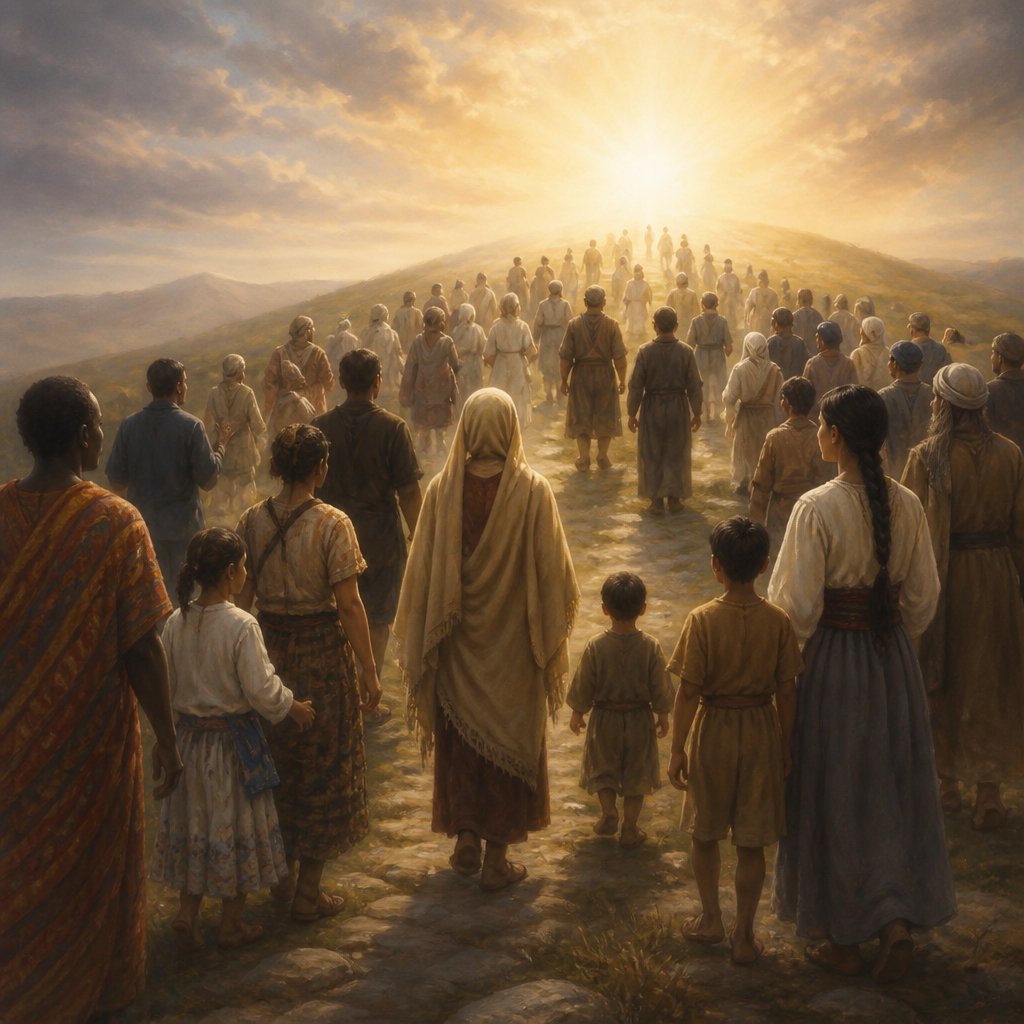
John 11:52 from the King James Version (KJV) of the Bible reads, "And not for that nation only, but that also he should gather together in one the children of God that were scattered abroad." This verse marks the culmination of a significant event in the New Testament, the resurrection of Lazarus by Jesus Christ. The verse comes at the end of a conversation between the high priest Caiaphas and the other chief priests and Pharisees, discussing the potential threat Jesus poses to their authority.
The context of this verse is essential in understanding its meaning. At the beginning of John 11, we read about the death of Lazarus, the brother of Mary and Martha, and a close friend of Jesus. Despite receiving news of Lazarus' illness, Jesus intentionally delays his arrival in Bethany, and by the time he arrives, Lazarus has already been dead for four days. This delay provides an opportunity for Jesus to demonstrate his power over death by raising Lazarus from the dead, proclaiming himself as "the resurrection and the life" (John 11:25).
In response to this miracle, many people believe in Jesus, but some, including the chief priests and Pharisees, see him as a threat to their authority and status. They convene a council and consider what action to take, with Caiaphas, the high priest, proposing that it is better for one man to die for the people, than for the whole nation to perish. It is in the midst of this discussion that Caiaphas unknowingly prophesies about the redemptive work of Jesus. His words in John 11:50-52 reflect a theological truth that extends far beyond the scope of the immediate situation at hand.
The theme of the verse is the universal nature of Jesus' redemptive work. Caiaphas, in the context of the verse, is primarily concerned with the survival of the nation of Israel and the potential threats to its well-being. However, his statement unwittingly extends the scope of Jesus' work to encompass not just the nation of Israel, but all of God's children who are scattered abroad. This concept is in line with the teachings of Jesus throughout the Gospels, who repeatedly emphasizes the inclusion of all people in the Kingdom of God, regardless of race, ethnicity, or social status.
The verse also alludes to the fulfillment of Old Testament prophecies, in which God promises to gather his scattered people from the ends of the earth. This image of gathering together in one the children of God reflects the unity and reconciliation that Jesus brings through his redemptive work. It is a powerful depiction of the universal scope of God's love and the extension of salvation to all who believe in Jesus Christ. This theme resonates with Paul's teachings in the New Testament, particularly in his letters to the Ephesians and Galatians, where he emphasizes the unity of all believers in Christ.
Furthermore, the verse carries significant symbolism, particularly in the imagery of gathering together the scattered children of God. This is a reflection of God's redemptive plan for humanity, as outlined in the Bible. It harkens back to the story of the Tower of Babel in Genesis, where human pride and disobedience led to the scattering of people and the confusion of language. God's redemptive work, culminating in the person of Jesus Christ, seeks to reverse the effects of this scattering and restore unity and harmony among all people.
In conclusion, John 11:52 from the King James Version of the Bible is a profound and insightful verse that encapsulates the universal scope of Jesus' redemptive work. It emphasizes the inclusive nature of God's love and the unifying power of Jesus Christ, bringing together all of God's children, who were once scattered abroad. This verse serves as a reminder of the all-encompassing nature of God's redemptive plan for humanity, transcending boundaries and offering salvation to all who believe in Jesus Christ.
Have questions about John 11:52?
Dive deeper into this scripture with Bible Chat — an AI-powered tool for exploring God's Word through conversation. Ask questions, get context, and grow in your understanding of the Bible.
Get Our Apps


John 11:52 Artwork

John 11:52 - "And not for that nation only, but that also he should gather together in one the children of God that were scattered abroad."
"And not for that nation only, but that also he should gather together in one the children of God that were scattered abroad." - John 11:52
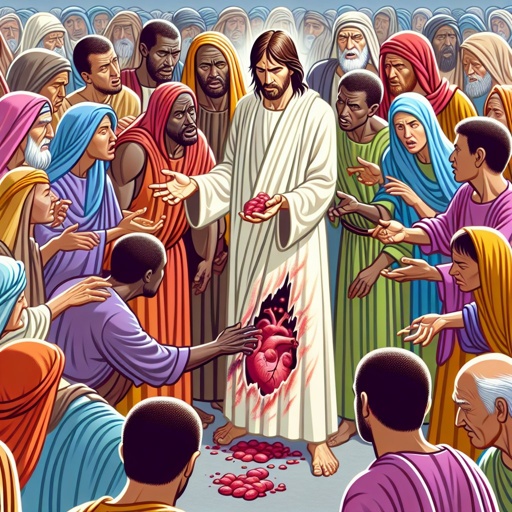
John 6:52 - "The Jews therefore strove among themselves, saying, How can this man give us his flesh to eat?"

John 7:52 - "They answered and said unto him, Art thou also of Galilee? Search, and look: for out of Galilee ariseth no prophet."

John 4:52 - "Then enquired he of them the hour when he began to amend. And they said unto him, Yesterday at the seventh hour the fever left him."

Luke 11:52 - "Woe unto you, lawyers! for ye have taken away the key of knowledge: ye entered not in yourselves, and them that were entering in ye hindered."
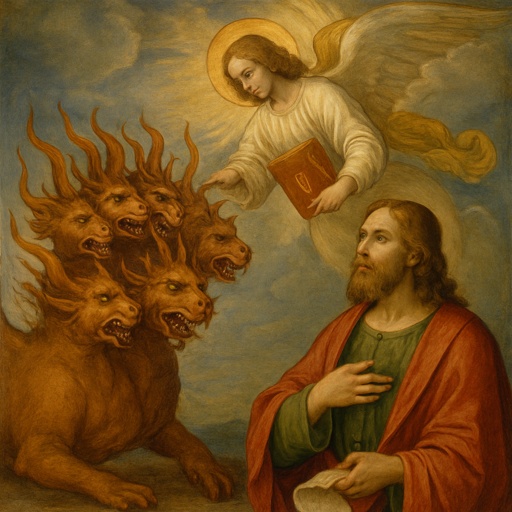
Rev 5:2
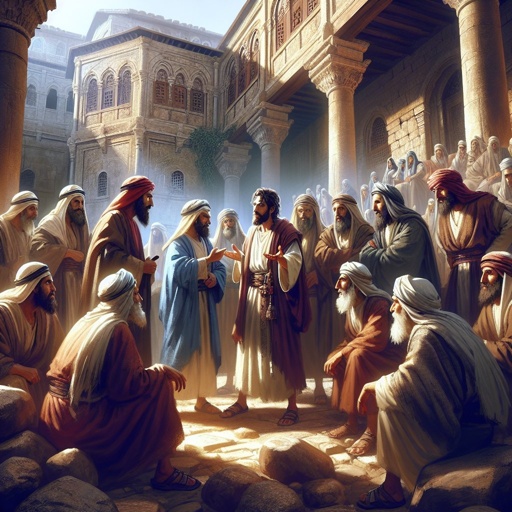
John 8:52 - "Then said the Jews unto him, Now we know that thou hast a devil. Abraham is dead, and the prophets; and thou sayest, If a man keep my saying, he shall never taste of death."
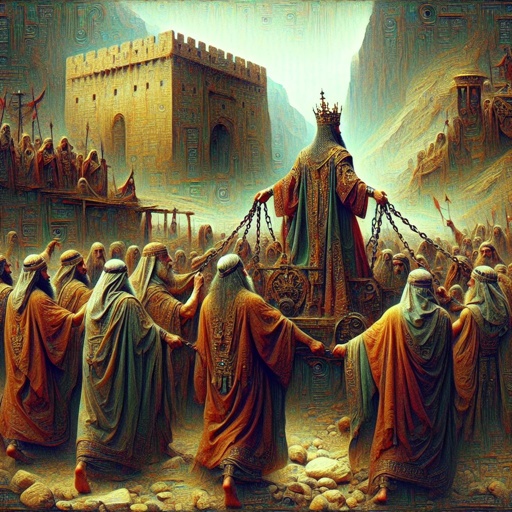
Jeremiah 52:11 - "Then he put out the eyes of Zedekiah; and the king of Babylon bound him in chains, and carried him to Babylon, and put him in prison till the day of his death."
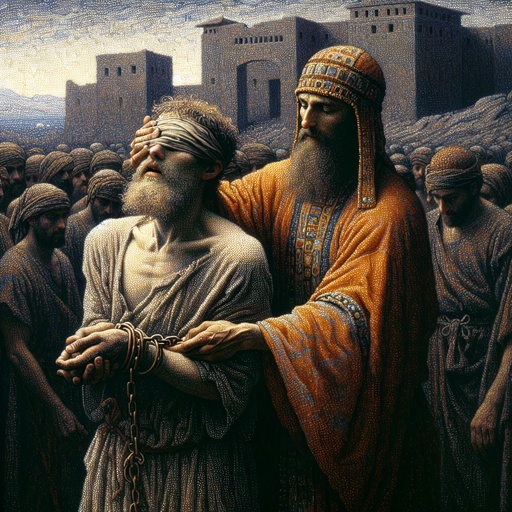
Jer 52:11 (KJVA) 11 Then he put out the eyes of Zedekiah; and the king of Babylon bound him in chains, and carried him to Babylon, and put him in prison till the day of his death.

Isaiah 52:11 - "¶ Depart ye, depart ye, go ye out from thence, touch no unclean thing; go ye out of the midst of her; be ye clean, that bear the vessels of the LORD."

Micah 5:2-5
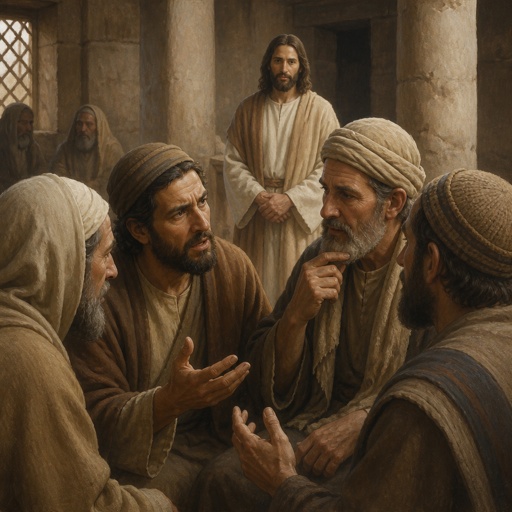
"The Jews therefore strove among themselves, saying, How can this man give us his flesh to eat?" - John 6:52
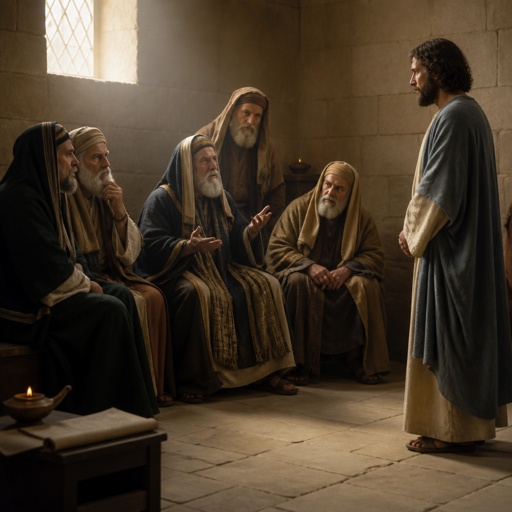
"They answered and said unto him, Art thou also of Galilee? Search, and look: for out of Galilee ariseth no prophet." - John 7:52

John (11:35) Jesus wept.

John (11:35) Jesus wept.

John (11:35) Jesus wept.

John 11:35

John 15.1-11

John 11:35

John (11:35) Jesus wept.

John (11:35) Jesus wept.

John (11:35) Jesus wept.

John (11:35) Jesus wept.

John (11:35) Jesus wept.

John (11:35) Jesus wept.
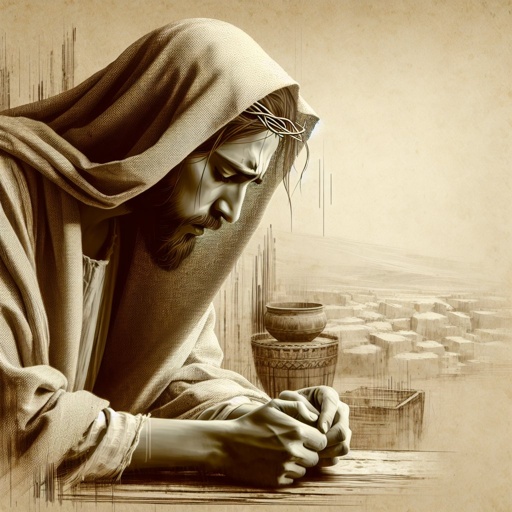
John 11:35 - "Jesus wept."

John (11:35) Jesus wept.

John (11:35) Jesus wept.

John (11:35) Jesus wept.