What does John 11:51 mean?
"And this spake he not of himself: but being high priest that year, he prophesied that Jesus should die for that nation;" - John 11:51
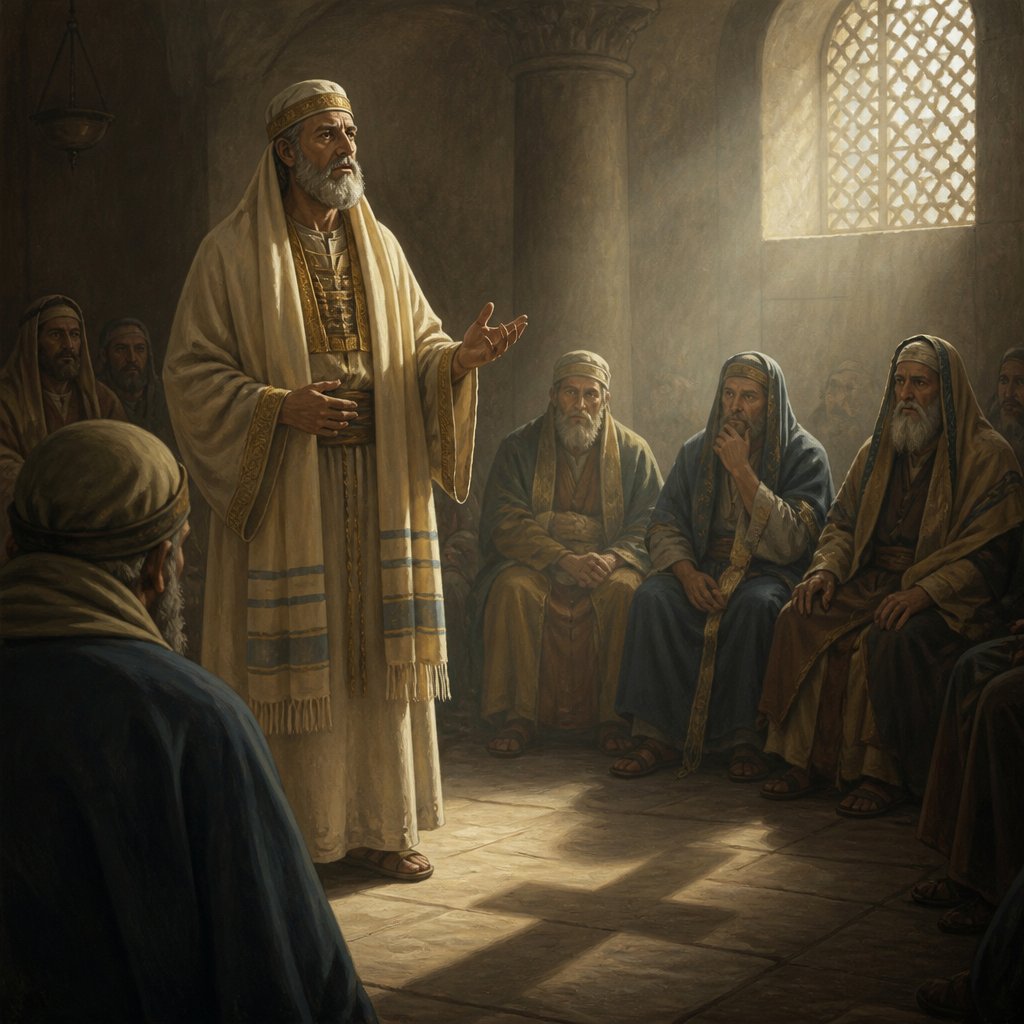
John 11:51 (KJV) states, "And this spake he not of himself: but being high priest that year, he prophesied that Jesus should die for that nation."
This verse is part of the larger narrative of the resurrection of Lazarus in John 11, which is a significant event in the Gospel of John as it reveals Jesus' power over death and foreshadows his own resurrection. The verse is spoken by Caiaphas, the high priest at the time, as he suggests that it is better for one man to die for the people rather than the whole nation perish. This prophecy unwittingly speaks to the redemptive purpose of Jesus' death, foreshadowing his sacrificial atonement for the sins of humanity.
The context of this verse is in the midst of the controversy surrounding Jesus' ministry and his growing popularity among the people. The religious leaders, particularly the high priest and the Pharisees, were threatened by Jesus' teachings and miracles, and they sought to arrest him and put him to death. This plot against Jesus sets the stage for the unfolding of the divine plan for salvation, as Jesus willingly walks towards his sacrificial death on the cross.
The theme of substitutionary atonement is central to this verse, as it speaks to the concept of one person dying for the sins of others. This concept is deeply rooted in the Old Testament sacrificial system, where animals were sacrificed as atonement for the sins of the people. However, Jesus' death as the ultimate sacrifice fulfills and surpasses the sacrificial system, as his blood provides eternal atonement for all who believe in him. This theme highlights the redemptive significance of Jesus' death, as it brings forgiveness and reconciliation between God and humanity.
Furthermore, the verse emphasizes the divine sovereignty and foreknowledge of God. Despite Caiaphas' intentions, his words serve as a prophecy that points to the predetermined plan of God for Jesus to die for the salvation of humanity. This underscores the overarching theme of God's providential control over the events of human history and his redemptive purposes. It also highlights the irony of God using the words of an unwitting high priest to prophesy the redemptive work of Christ.
Symbolically, the high priest in the Old Testament served as the mediator between God and the people, offering sacrifices for the sins of the nation. In this verse, Caiaphas unwittingly speaks as a mouthpiece for God's redemptive plan, pointing to Jesus as the ultimate high priest who offers himself as the perfect atoning sacrifice for the sins of the world. The symbolism of the high priest's role is thus fulfilled in Jesus' sacrificial death, as he becomes the ultimate mediator between God and humanity, reconciling them through his atoning work on the cross.
In conclusion, John 11:51 in the context of the larger narrative of the resurrection of Lazarus and the impending plot against Jesus, emphasizes the redemptive significance of Jesus' sacrificial death as the atonement for the sins of humanity. It highlights the theme of substitutionary atonement, God's providential sovereignty, and the symbolism of Jesus as the ultimate high priest and mediator. This verse serves as a powerful reminder of the central message of the Gospel, which is the redemptive work of Jesus Christ on the cross, bringing forgiveness, reconciliation, and eternal life to all who believe in him.
Have questions about John 11:51?
Dive deeper into this scripture with Bible Chat — an AI-powered tool for exploring God's Word through conversation. Ask questions, get context, and grow in your understanding of the Bible.
Get Our Apps


John 11:51 Artwork

John 11:51 - "And this spake he not of himself: but being high priest that year, he prophesied that Jesus should die for that nation;"
"And this spake he not of himself: but being high priest that year, he prophesied that Jesus should die for that nation;" - John 11:51

John 7:51 - "Doth our law judge any man, before it hear him, and know what he doeth?"

Luke 8:51 - "And when he came into the house, he suffered no man to go in, save Peter, and James, and John, and the father and the mother of the maiden."

John 4:51 - "And as he was now going down, his servants met him, and told him, saying, Thy son liveth."

John 8:51 - "Verily, verily, I say unto you, If a man keep my saying, he shall never see death."

Psalms 51:11 - "Cast me not away from thy presence; and take not thy holy spirit from me."

John 1:51 - "And he saith unto him, Verily, verily, I say unto you, Hereafter ye shall see heaven open, and the angels of God ascending and descending upon the Son of man."

Luke 11:51 - "From the blood of Abel unto the blood of Zacharias, which perished between the altar and the temple: verily I say unto you, It shall be required of this generation."

John 6:51 - "I am the living bread which came down from heaven: if any man eat of this bread, he shall live for ever: and the bread that I will give is my flesh, which I will give for the life of the world."
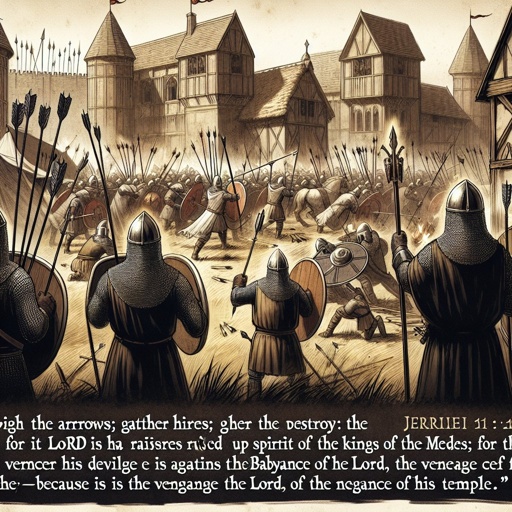
Jeremiah 51:11 - "Make bright the arrows; gather the shields: the LORD hath raised up the spirit of the kings of the Medes: for his device is against Babylon, to destroy it; because it is the vengeance of the LORD, the vengeance of his temple."

John (11:35) Jesus wept.

Isaiah 51:11 - "Therefore the redeemed of the LORD shall return, and come with singing unto Zion; and everlasting joy shall be upon their head: they shall obtain gladness and joy; and sorrow and mourning shall flee away."

John (11:35) Jesus wept.

John (11:35) Jesus wept.
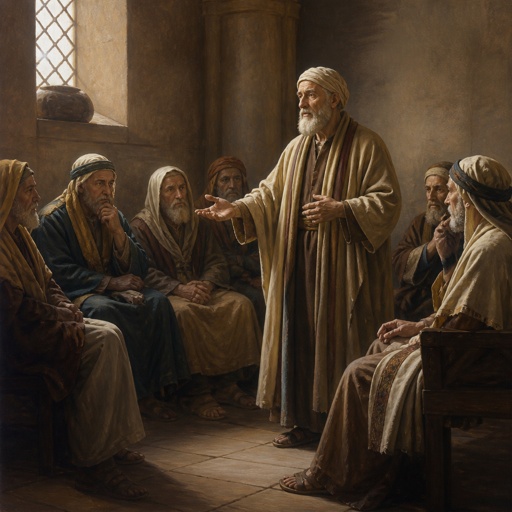
"Doth our law judge any man, before it hear him, and know what he doeth?" - John 7:51

John 11:35

John 15.1-11

John 11:35

John (11:35) Jesus wept.

John (11:35) Jesus wept.

John (11:35) Jesus wept.

John (11:35) Jesus wept.

John (11:35) Jesus wept.

John (11:35) Jesus wept.
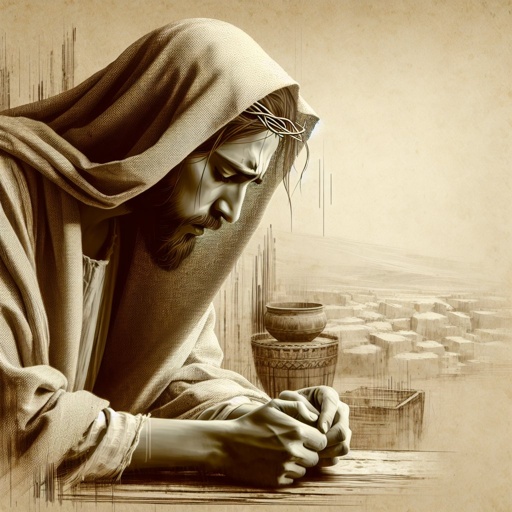
John 11:35 - "Jesus wept."

John (11:35) Jesus wept.

John (11:35) Jesus wept.

John (11:35) Jesus wept.

John (11:35) Jesus wept.