What does John 11:43 mean?
"And when he thus had spoken, he cried with a loud voice, Lazarus, come forth." - John 11:43
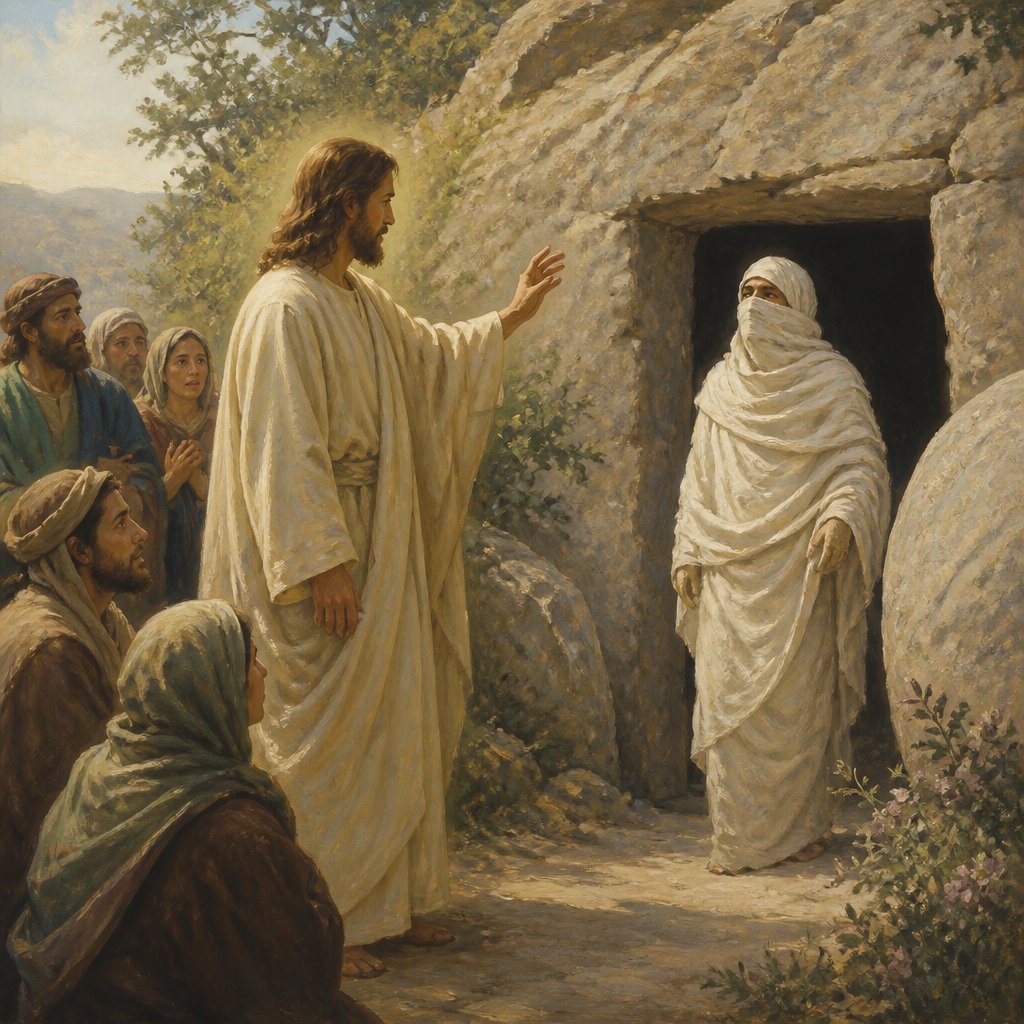
The Bible verse John 11:43, in the King James Version, reads:
"And when he thus had spoken, he cried with a loud voice, Lazarus, come forth."
This verse is part of the story of the resurrection of Lazarus, which is one of the most well-known and powerful miracles of Jesus Christ. In this verse, Jesus calls out in a loud voice to Lazarus, who had been dead for four days, and commands him to come forth from the tomb. This act of bringing a dead man back to life is not only a display of Jesus' divine power and authority, but it also serves as a profound symbol of hope and the promise of life after death.
The context of this verse is important in understanding its significance. In the preceding verses, we learn that Lazarus, the brother of Mary and Martha, had fallen gravely ill. His sisters had sent word to Jesus, hoping that he would come and heal their brother. However, Jesus delayed his arrival, and by the time he reached the town of Bethany, Lazarus had already been dead for four days. As Jesus approached the tomb, he was met by a grief-stricken Martha, who expressed her faith that her brother would rise again in the resurrection at the last day. It is in this context that Jesus commands the stone to be removed from the entrance of the tomb and calls out to Lazarus to come forth.
The themes present in this verse are numerous and deeply profound. Firstly, it portrays Jesus as the ultimate source of life and resurrection. By speaking a word, he is able to conquer death itself and bring the dead back to life. This miracle foreshadows Jesus' own resurrection and serves as a powerful affirmation of his divinity.
Another important theme is the idea of faith and belief. Both Martha and Mary express their faith in Jesus' ability to heal and restore their brother, but it is in the face of death and despair that their faith is truly tested. Jesus' command for the stone to be removed and his subsequent call to Lazarus is a demonstration of the power of faith and the restoration of hope in the midst of hopelessness.
The symbolism in this verse is rich and multi-layered. The image of Lazarus emerging from the tomb serves as a powerful symbol of the resurrection and the defeat of death. It points to the central message of the Christian faith – that in Christ, there is the hope of eternal life beyond the grave.
Moreover, the act of calling out to Lazarus by name is significant. It emphasizes the personal and intimate nature of Jesus' relationship with those whom he loves. Despite the fact that Lazarus had been dead for four days, Jesus' love for him and his family is evident in his actions. This serves as a reminder that God knows each of us by name and cares for us individually.
In conclusion, John 11:43 is a verse that encapsulates the power, hope, and love found in the story of the resurrection of Lazarus. It serves as a testament to the divinity of Jesus Christ, the importance of faith, and the promise of eternal life. This verse continues to inspire and uplift believers, reminding them of the miraculous power of God and the hope that is found in Christ.
Have questions about John 11:43?
Dive deeper into this scripture with Bible Chat — an AI-powered tool for exploring God's Word through conversation. Ask questions, get context, and grow in your understanding of the Bible.
Get Our Apps


John 11:43 Artwork

John 11:43-44 – "When he had said this, Jesus called in a loud voice, 'Lazarus, come out!'"

John 11:43 - "And when he thus had spoken, he cried with a loud voice, Lazarus, come forth."
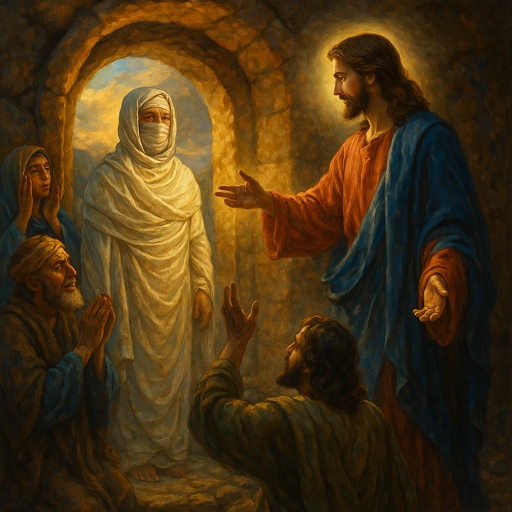
"And when he thus had spoken, he cried with a loud voice, Lazarus, come forth." - John 11:43
"And when he thus had spoken, he cried with a loud voice, Lazarus, come forth." - John 11:43

John 11,43, 44

John 7:43 - "So there was a division among the people because of him."

John 12:43 - "For they loved the praise of men more than the praise of God."

John 4:43 - "¶ Now after two days he departed thence, and went into Galilee."

John 6:43 - "Jesus therefore answered and said unto them, Murmur not among yourselves."

1 Chronicles 11:43 - "Hanan the son of Maachah, and Joshaphat the Mithnite,"

Isaiah 43:11 - "I, even I, am the LORD; and beside me there is no saviour."

John 8:43 - "Why do ye not understand my speech? even because ye cannot hear my word."

John 1:43 - "¶ The day following Jesus would go forth into Galilee, and findeth Philip, and saith unto him, Follow me."
"So there was a division among the people because of him." - John 7:43
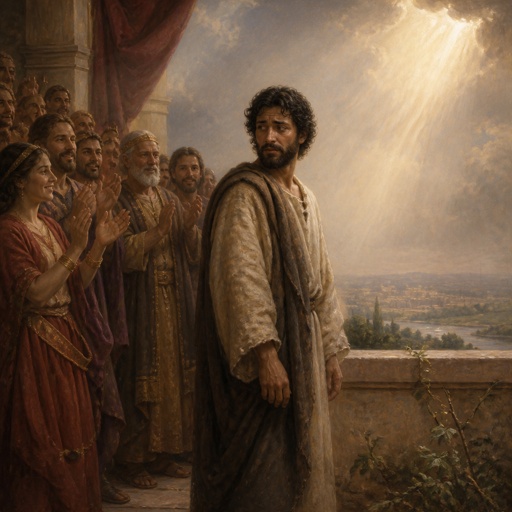
"For they loved the praise of men more than the praise of God." - John 12:43

Luke 11:43 - "Woe unto you, Pharisees! for ye love the uppermost seats in the synagogues, and greetings in the markets."

John 5:43 - "I am come in my Father's name, and ye receive me not: if another shall come in his own name, him ye will receive."

"Hanan the son of Maachah, and Joshaphat the Mithnite," - 1 Chronicles 11:43

"¶ Now after two days he departed thence, and went into Galilee." - John 4:43
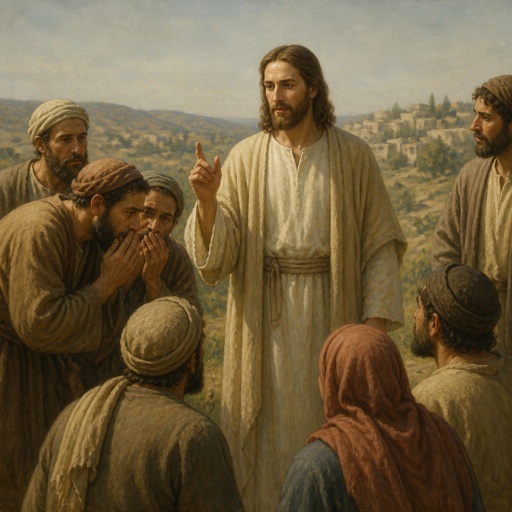
"Jesus therefore answered and said unto them, Murmur not among yourselves." - John 6:43

Jeremiah 43:11 - "And when he cometh, he shall smite the land of Egypt, and deliver such as are for death to death; and such as are for captivity to captivity; and such as are for the sword to the sword."

1 Kings 11:43 - "And Solomon slept with his fathers, and was buried in the city of David his father: and Rehoboam his son reigned in his stead."

Daniel 11:43 - "But he shall have power over the treasures of gold and of silver, and over all the precious things of Egypt: and the Libyans and the Ethiopians shall be at his steps."

"I, even I, am the LORD; and beside me there is no saviour." - Isaiah 43:11

John (11:35) Jesus wept.

John (11:35) Jesus wept.

John (11:35) Jesus wept.

John 11:35

John 15.1-11

John 11:35