What does John 11:38 mean?
"Jesus therefore again groaning in himself cometh to the grave. It was a cave, and a stone lay upon it." - John 11:38

John 11:38 (KJV) reads, "Jesus therefore again groaning in himself cometh to the grave. It was a cave, and a stone lay upon it." This verse comes from the Gospel of John, which is the fourth book of the New Testament. In this chapter, Jesus performs one of his most notable miracles by raising Lazarus from the dead.
The verse is significant as it captures the human emotions of Jesus as he approaches the grave of Lazarus. The word "groaning" here is a powerful expression of Jesus' grief and compassion for the loss of his friend. This verse gives us a glimpse into the humanity of Jesus and his deep empathy for the suffering of those around Him. It also serves as a reminder that Jesus, though fully divine, also experienced the full range of human emotions during His time on earth.
The context of this verse is important for understanding its deeper meaning. Prior to this verse, Lazarus had fallen ill and eventually died. Upon hearing the news, Jesus intentionally delayed His journey to see Lazarus, knowing that it would result in his death. When Jesus finally arrives at the tomb, He is met with the grief and mourning of Lazarus' sisters, Mary and Martha. It is in this context of death, grief, and sorrow that Jesus approaches the grave, fully aware of the pain and suffering of those around Him.
The symbolism in this verse is profound and multi-layered. The grave represents the finality of death and the sorrow that comes with it. It is a place of darkness and despair, where hope seems to be lost. The stone that lies upon the grave serves as a physical barrier, symbolizing the impossibility of overcoming death by human effort alone.
In this verse, however, Jesus defies the limitations of death. His groaning signifies His power over death and His ability to bring hope and life in the midst of despair. The cave, a literal and metaphorical place of darkness, is transformed by the presence of Jesus. This act of groaning also shows Jesus' empathy for the human condition and His willingness to enter into our pain, even when He knows the outcome.
The themes present in this verse are central to the Christian faith. The power of Jesus over death, His compassion for the suffering, and His ability to bring hope and life in the midst of despair are all foundational beliefs for Christians. This verse serves as a reminder that no situation is beyond the reach of Jesus' healing and transforming power.
Ultimately, John 11:38 is a powerful reminder of the hope and comfort that Jesus brings to those who are grieving. It foreshadows the miraculous event that is about to occur, as Jesus goes on to raise Lazarus from the dead, demonstrating His power over death and His ability to bring life out of despair. This verse not only reveals the humanity of Jesus but also His divinity and authority over all aspects of life and death.
In conclusion, John 11:38 captures the profound emotions and the miraculous power of Jesus in the face of death. It serves as a poignant reminder of His compassion, His ability to bring hope in the midst of despair, and His ultimate victory over death. This verse continues to inspire and comfort believers, as they are reminded of the transformational power of Jesus in the midst of their own struggles and sorrow.
Have questions about John 11:38?
Dive deeper into this scripture with Bible Chat — an AI-powered tool for exploring God's Word through conversation. Ask questions, get context, and grow in your understanding of the Bible.
Get Our Apps


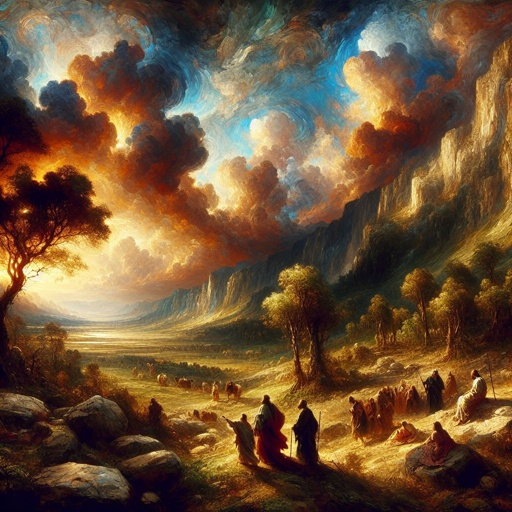
John 11:38 Artwork

John 11:38 - "Jesus therefore again groaning in himself cometh to the grave. It was a cave, and a stone lay upon it."

"Jesus therefore again groaning in himself cometh to the grave. It was a cave, and a stone lay upon it." - John 11:38
John 7:38

John 7:38

John 7:38

John 7:38

John 7:38

John 19:38

John 7:38

John 7:38

John 9:38 - "And he said, Lord, I believe. And he worshipped him."

John 6:38 - "For I came down from heaven, not to do mine own will, but the will of him that sent me."

1 Chronicles 11:38 - "Joel the brother of Nathan, Mibhar the son of Haggeri,"

John 5:38 - "And ye have not his word abiding in you: for whom he hath sent, him ye believe not."

Philippians 3:8

Hebrews 11:38 - "(Of whom the world was not worthy:) they wandered in deserts, and in mountains, and in dens and caves of the earth."

John 4:38 - "I sent you to reap that whereon ye bestowed no labour: other men laboured, and ye are entered into their labours."

John 7:38 - "He that believeth on me, as the scripture hath said, out of his belly shall flow rivers of living water."

John 3:3-8

Out of his heart will flow rivers of living water. John 7:38

Luke 11:38 - "And when the Pharisee saw it, he marvelled that he had not first washed before dinner."

John 8:38 - "I speak that which I have seen with my Father: and ye do that which ye have seen with your father."

John 10:38 - "But if I do, though ye believe not me, believe the works: that ye may know, and believe, that the Father is in me, and I in him."

Job 38:11 - "And said, Hitherto shalt thou come, but no further: and here shall thy proud waves be stayed?"

"And he said, Lord, I believe. And he worshipped him." - John 9:38

Leviticus 11:38 - "But if any water be put upon the seed, and any part of their carcase fall thereon, it shall be unclean unto you."

John (11:35) Jesus wept.

Psalms 38:11 - "My lovers and my friends stand aloof from my sore; and my kinsmen stand afar off."

John 12:38 - "That the saying of Esaias the prophet might be fulfilled, which he spake, Lord, who hath believed our report? and to whom hath the arm of the Lord been revealed?"

John (11:35) Jesus wept.