What does John 11:28 mean?
"And when she had so said, she went her way, and called Mary her sister secretly, saying, The Master is come, and calleth for thee." - John 11:28

John 11:28 - "And when she had so said, she went her way, and called Mary her sister secretly, saying, The Master is come, and calleth for thee."
This verse is from the story of the raising of Lazarus, one of the most well-known miracles of Jesus Christ. The chapter begins with the news of Lazarus, the brother of Mary and Martha, falling ill. The sisters send word to Jesus, with the hope that he would come and heal their brother. However, by the time Jesus arrives in Bethany, Lazarus has been in the tomb for four days.
In verse 28, when Martha hears that Jesus has arrived, she goes to meet him and says to her sister Mary secretly, "The Master is come, and calleth for thee." This is a pivotal moment in the story as it sets the stage for the dramatic climax where Jesus raises Lazarus from the dead.
The theme of faith is prevalent throughout the entire passage. Martha, although troubled by the death of her brother, still had faith in Jesus. Even with her brother being dead for four days, Martha says to Jesus, "I know that he will rise again in the resurrection at the last day" (John 11:24). Despite her grief and confusion, Martha's faith in Jesus and his abilities remains strong. This theme of faith is further reinforced by the actions of Mary and the people gathered around the tomb. Their faith is tested and ultimately strengthened when they witness Jesus perform the miracle of raising Lazarus from the dead (John 11:45).
Another important theme in this passage is the concept of divine timing. Jesus intentionally delays his arrival in Bethany, allowing Lazarus to die and be in the tomb for four days before he resurrects him. This deliberate delay serves as a powerful demonstration of God's sovereignty over life and death. It also serves to increase the faith of those around him and to glorify God through the extraordinary miracle that follows.
The context of this verse also plays a critical role in the overall story. The presence of Jesus in Bethany and his interactions with Martha and Mary serve as the backdrop for the profound miracle that is about to take place. This context sets the stage for Jesus to reveal his divinity and his power over death.
Symbolism is also present in this verse. The use of the term "Master" by Martha as she speaks to Mary is significant. It conveys a deep level of respect and reverence for Jesus as a spiritual leader and teacher. This title signifies Jesus' authority and the fact that he is the one who has the power to call individuals to himself.
In conclusion, John 11:28 is a pivotal verse in the story of the raising of Lazarus. It embodies the themes of faith, divine timing, and the power of Jesus over death. The context of Jesus' arrival in Bethany and the symbolism in Martha's address to Mary all contribute to the profound significance of this passage. Ultimately, this verse serves as a precursor to the miraculous resurrection that is about to unfold, showcasing the glory and power of Jesus Christ.
Have questions about John 11:28?
Dive deeper into this scripture with Bible Chat — an AI-powered tool for exploring God's Word through conversation. Ask questions, get context, and grow in your understanding of the Bible.
Get Our Apps


John 11:28 Artwork

John 11:28 - "And when she had so said, she went her way, and called Mary her sister secretly, saying, The Master is come, and calleth for thee."

"And when she had so said, she went her way, and called Mary her sister secretly, saying, The Master is come, and calleth for thee." - John 11:28

John 5:28

John 14:28

John 5:28

John 5:28

John 1:28 - "These things were done in Bethabara beyond Jordan, where John was baptizing."

Ezekiel 28:11-19

Ezekiel 28:11-19

Ezekiel 28:11-19

Ezekiel 28:11-19

Ezekiel 28:11-19

Ezekiel 28:11-19

Genesis 28-11

Matthew 28:11

Ephesians 2:8-9

ephesians 2 8-9

Mark 8:28 - "And they answered, John the Baptist: but some say, Elias; and others, One of the prophets."

"These things were done in Bethabara beyond Jordan, where John was baptizing." - John 1:28

Nehemiah 11:28 - "And at Ziklag, and at Mekonah, and in the villages thereof,"

John 20:28 - "And Thomas answered and said unto him, My Lord and my God."

John 5:28 - "Marvel not at this: for the hour is coming, in the which all that are in the graves shall hear his voice,"

John 13:28 - "Now no man at the table knew for what intent he spake this unto him."

John 9:28 - "Then they reviled him, and said, Thou art his disciple; but we are Moses' disciples."

John (11:35) Jesus wept.
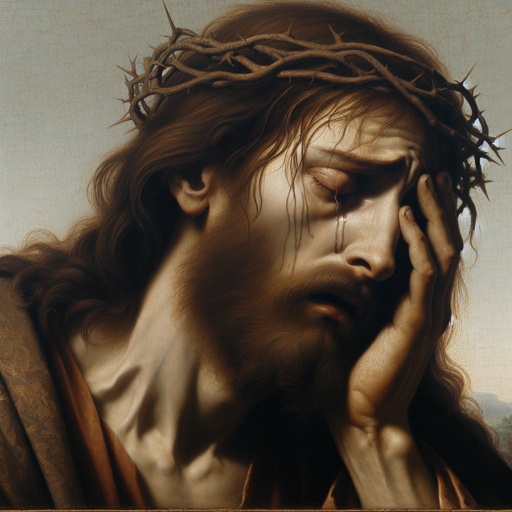
John (11:35) Jesus wept.

John (11:35) Jesus wept.

John 4:28 - "The woman then left her waterpot, and went her way into the city, and saith to the men,"

John 11:35

John 15.1-11