What does John 10:12 mean?
"But he that is an hireling, and not the shepherd, whose own the sheep are not, seeth the wolf coming, and leaveth the sheep, and fleeth: and the wolf catcheth them, and scattereth the sheep." - John 10:12
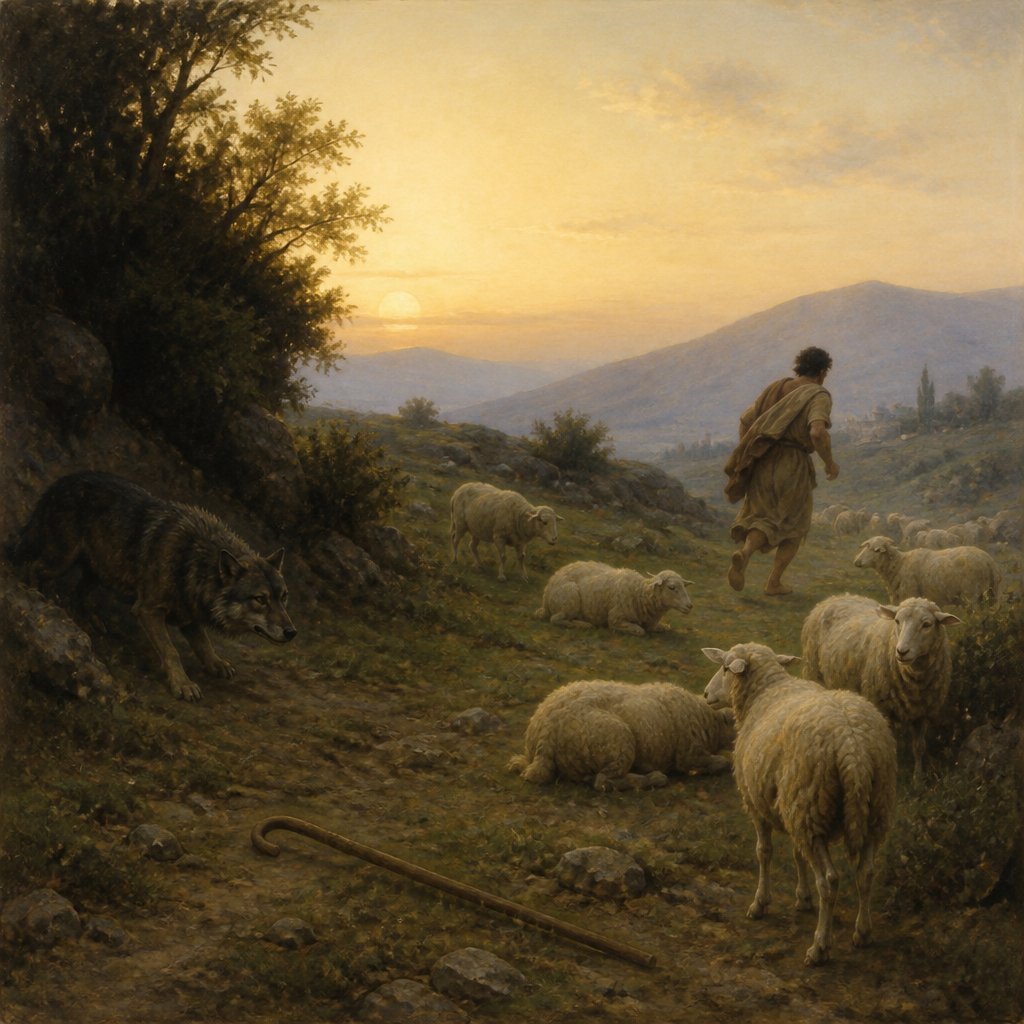
The Bible verse John 10:12 from the King James Version (KJV) reads, "But he that is an hireling, and not the shepherd, whose own the sheep are not, seeth the wolf coming, and leaveth the sheep, and fleeth: and the wolf catcheth them, and scattereth the sheep."
This verse is part of a larger passage in the book of John where Jesus used the metaphor of a shepherd to describe himself as the caretaker and protector of his followers, his "sheep." In John 10:1-18, Jesus contrasts himself as the true shepherd with those who are merely hired to look after the flock. This particular verse focuses on the actions of a hired hand (hireling) when faced with danger, in contrast to the selfless and courageous actions of a true shepherd.
The key theme in this verse is the difference between a true, faithful shepherd and a hireling who is only in it for personal gain. The image of the shepherd and his sheep was very familiar to the people of Jesus' time, as many of them worked in agriculture and were familiar with the responsibilities and risks associated with shepherding. The shepherd was seen as the one who took care of and protected the sheep from harm, while the hireling was only interested in the payment he would receive and cared little for the well-being of the sheep.
In this context, the hireling is representative of religious leaders or anyone who claims to be a caretaker but is actually only interested in their own well-being. When danger approaches, such as in the form of a wolf, the hireling abandons the sheep and flees, leaving them vulnerable to attack and scattering. This demonstrates a lack of dedication, courage, and integrity, as well as a failure to fulfill the responsibilities of a shepherd.
Symbolically, the sheep represent the followers of Jesus, who are in need of guidance, protection, and care. The wolf represents any form of danger or threat that the sheep may face, such as false teachings, persecution, or temptations. The hireling represents those in positions of authority or leadership within the church who may be more concerned about their own prestige, power, or personal interests than the well-being of the people in their care.
This verse serves as a warning against false shepherds and a call for true discipleship. Jesus is portrayed as the ultimate example of a good shepherd, as he is willing to lay down his life for his sheep, showing selfless love, sacrificial leadership, and unwavering dedication. He contrasts this with the hireling, whose lack of commitment and selfish motives endangers the flock.
This message has a broader application beyond the immediate context of Jesus' time. It serves as a timeless reminder for those in positions of leadership, particularly in religious or spiritual contexts, to prioritize the well-being of those under their care rather than their own personal gain or comfort. It also challenges each individual to consider their own attitudes and motivations in their relationship with others, encouraging them to emulate the qualities of a faithful and selfless shepherd.
In conclusion, John 10:12 from the King James Version highlights the contrast between a true shepherd and a hireling, emphasizing the importance of selfless leadership, sacrifice, and genuine care for one's followers. Its message continues to resonate with readers today, reminding them of the qualities to embrace as well as those to avoid in their own interactions and relationships.
Have questions about John 10:12?
Dive deeper into this scripture with Bible Chat — an AI-powered tool for exploring God's Word through conversation. Ask questions, get context, and grow in your understanding of the Bible.
Get Our Apps


John 10:12 Artwork

John 10:12 - "But he that is an hireling, and not the shepherd, whose own the sheep are not, seeth the wolf coming, and leaveth the sheep, and fleeth: and the wolf catcheth them, and scattereth the sheep."
"But he that is an hireling, and not the shepherd, whose own the sheep are not, seeth the wolf coming, and leaveth the sheep, and fleeth: and the wolf catcheth them, and scattereth the sheep." - John 10:12

John 12:10 - "¶ But the chief priests consulted that they might put Lazarus also to death;"
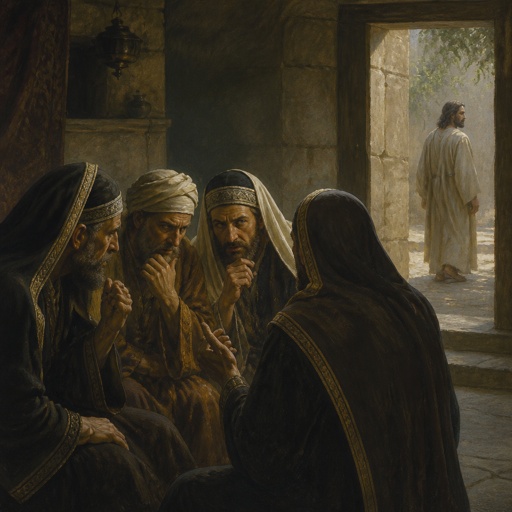
"¶ But the chief priests consulted that they might put Lazarus also to death;" - John 12:10

John 10:10

John 10:10

John 10:10

John 10:10

John 10:10

John 10:10

John 10:10

John 6:12

John 8:12

John 10:41 - "And many resorted unto him, and said, John did no miracle: but all things that John spake of this man were true."

John 10:30

John 12:25

John 8:12

John 8:12

John 12:3

John 8:12

John 10:30

John 10:9

John 10:9

John 10:9

John 20:11-12

John 12:12 - "¶ On the next day much people that were come to the feast, when they heard that Jesus was coming to Jerusalem,"

John 10:40 - "And went away again beyond Jordan into the place where John at first baptized; and there he abode."

Ezra 10:10-12

John 10:42 - "And many believed on him there."

John 15:9-10