What does Joel 1:4 mean?
"That which the palmerworm hath left hath the locust eaten; and that which the locust hath left hath the cankerworm eaten; and that which the cankerworm hath left hath the caterpiller eaten." - Joel 1:4
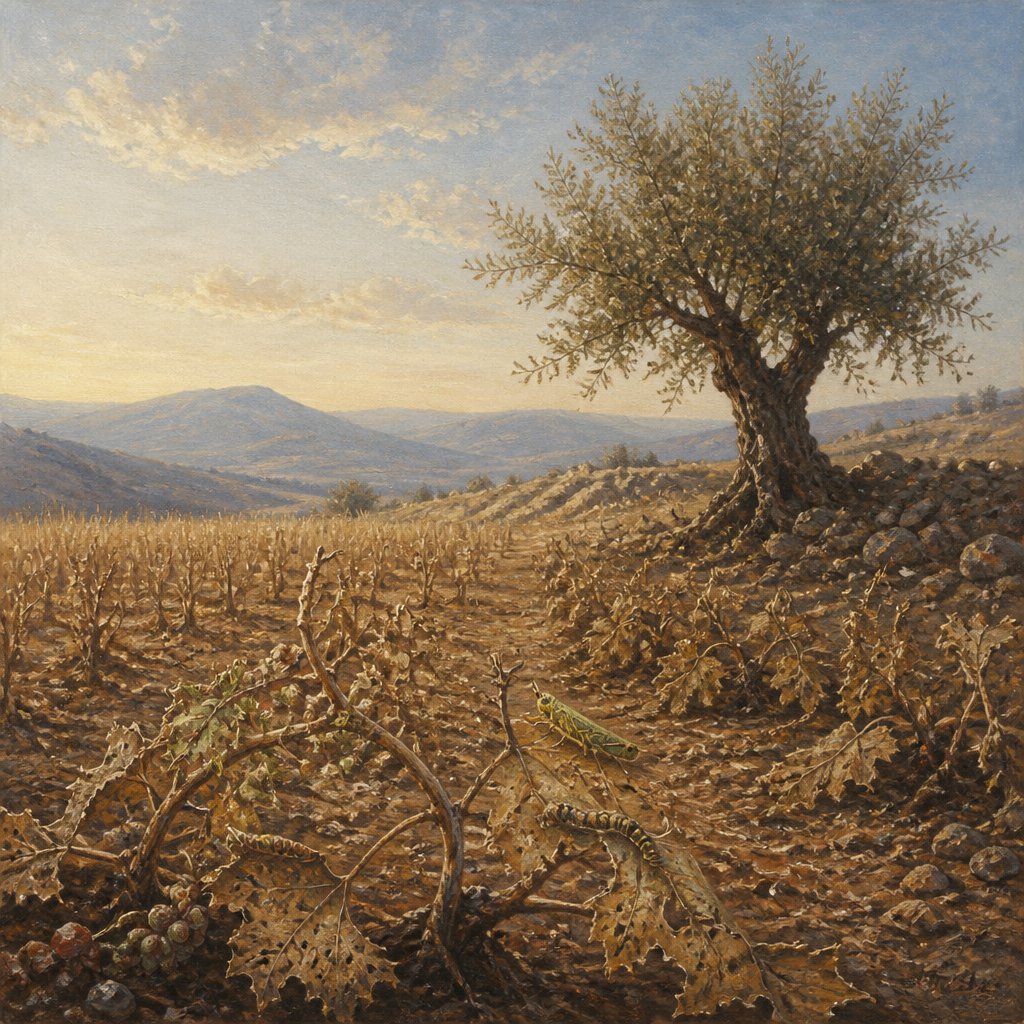
The verse Joel 1:4 from the King James Version of the Bible reads, "That which the palmerworm hath left hath the locust eaten; and that which the locust hath left hath the cankerworm eaten; and that which the cankerworm hath left hath the caterpiller eaten."
This verse comes from the Old Testament book of Joel, which is part of the minor prophets in the Bible. The book of Joel is unique in that it doesn't explicitly mention any historical events or kings, and its precise dating is uncertain. However, it addresses a plague of locusts that had devastated the land, leading some scholars to place it in the post-exilic period.
In this verse, the prophet Joel is using a series of metaphors to describe the devastation caused by the swarm of locusts. The imagery of successive waves of destruction serves to emphasize the severity of the locust plague, as each new type of pest eats whatever is left by the previous one, leaving nothing behind.
The themes in this verse are abundant, including destruction, judgment, and the consequences of sin. The mention of the palmerworm, locust, cankerworm, and caterpillar in succession symbolizes the relentless and overwhelming nature of the devastation experienced by the people. The imagery of each successive pest consuming what was left by the previous one communicates the idea of complete destruction.
This verse also serves as a warning and a call to repentance. The devastation caused by the locusts is a metaphor for the consequences of sin and the judgment that follows. The people are being called to recognize their wrongdoing and turn back to God. Joel uses the natural disaster as a way to convey the consequences of spiritual disobedience and the need for repentance.
Another theme present in this verse is the sovereignty of God. While the devastation caused by the locusts is intense and overwhelming, ultimately, it is God who allows it to happen. This serves as a reminder to the people that God is in control, and they need to turn to Him in times of trouble.
The contextual significance of Joel 1:4 is also profound. At the time of Joel's writing, the people of Israel were suffering from various trials and tribulations, including the locust plague. The prophet uses this real-life event as a metaphor for the people's spiritual condition. The devastation caused by the locusts serves as a wake-up call to the people to turn back to God and seek His mercy.
The symbolism in this verse is rich and multifaceted. The palmerworm, locust, cankerworm, and caterpillar represent the successive waves of destruction that have stripped away the bounty of the land. They symbolize the relentless nature of sin and judgment, as well as the need for repentance and returning to God. The imagery of these pests devouring everything in their path serves as a powerful warning and reminder of the consequences of spiritual disobedience.
In conclusion, Joel 1:4 from the King James Version of the Bible is a powerful and evocative verse that uses vivid imagery to convey the devastation caused by a locust plague. It serves as a warning and a call to repentance for the people of Israel, emphasizing the consequences of sin and the need to turn back to God. This verse is a timeless reminder of the sovereignty of God and the devastating effects of spiritual disobedience. It encourages readers to reflect on their own lives and seek forgiveness and mercy from God.
Have questions about Joel 1:4?
Dive deeper into this scripture with Bible Chat — an AI-powered tool for exploring God's Word through conversation. Ask questions, get context, and grow in your understanding of the Bible.
Get Our Apps


Joel 1:4 Artwork

Joel 1:4 - "That which the palmerworm hath left hath the locust eaten; and that which the locust hath left hath the cankerworm eaten; and that which the cankerworm hath left hath the caterpiller eaten."
"That which the palmerworm hath left hath the locust eaten; and that which the locust hath left hath the cankerworm eaten; and that which the cankerworm hath left hath the caterpiller eaten." - Joel 1:4

Joel 1:2-4, 13-20

1 Chronicles 4:35 - "And Joel, and Jehu the son of Josibiah, the son of Seraiah, the son of Asiel,"

1 Chronicles 5:4 - "The sons of Joel; Shemaiah his son, Gog his son, Shimei his son,"

Joel 1:1 - "The word of the LORD that came to Joel the son of Pethuel."
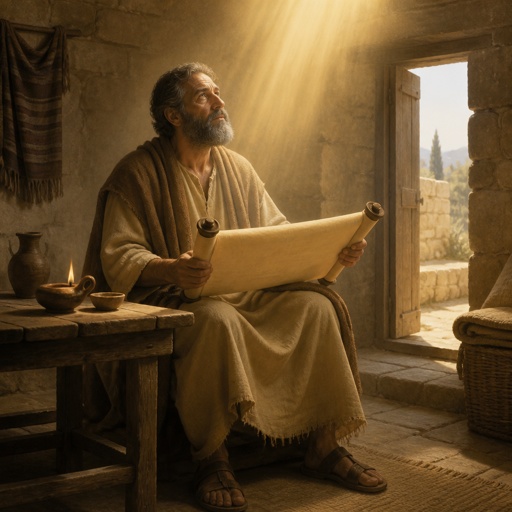
"The word of the LORD that came to Joel the son of Pethuel." - Joel 1:1

"And Joel, and Jehu the son of Josibiah, the son of Seraiah, the son of Asiel," - 1 Chronicles 4:35

Joel 2:4 - "The appearance of them is as the appearance of horses; and as horsemen, so shall they run."

Joel 1 natural disaster
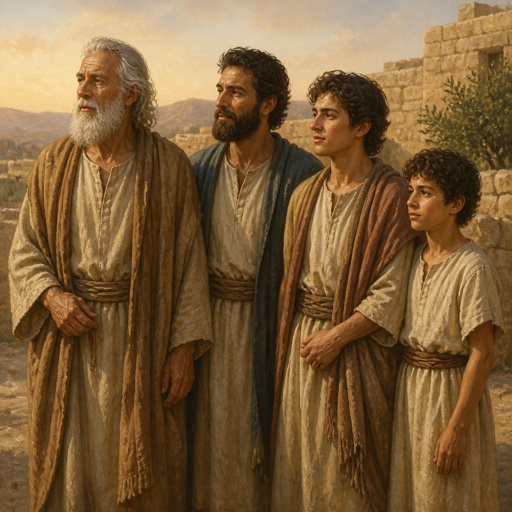
"The sons of Joel; Shemaiah his son, Gog his son, Shimei his son," - 1 Chronicles 5:4

1 Chronicles 11:38 - "Joel the brother of Nathan, Mibhar the son of Haggeri,"

Joel 1:8 - "¶ Lament like a virgin girded with sackcloth for the husband of her youth."

1 Chronicles 23:8 - "The sons of Laadan; the chief was Jehiel, and Zetham, and Joel, three."

1 Chronicles 5:12 - "Joel the chief, and Shapham the next, and Jaanai, and Shaphat in Bashan."

1 Chronicles 6:36 - "The son of Elkanah, the son of Joel, the son of Azariah, the son of Zephaniah,"

1 Chronicles 15:7 - "Of the sons of Gershom; Joel the chief, and his brethren an hundred and thirty:"

Joel 1:15 - "Alas for the day! for the day of the LORD is at hand, and as a destruction from the Almighty shall it come."
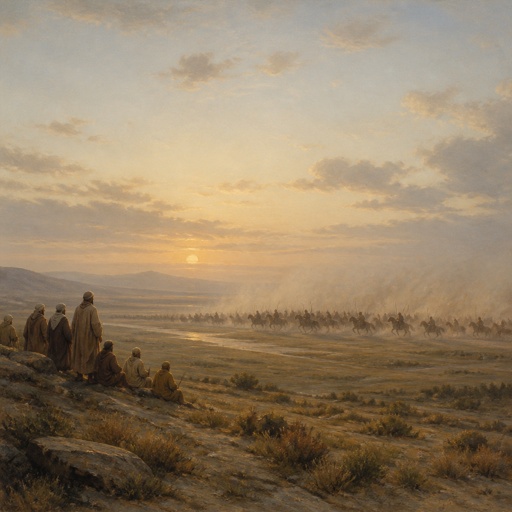
"The appearance of them is as the appearance of horses; and as horsemen, so shall they run." - Joel 2:4
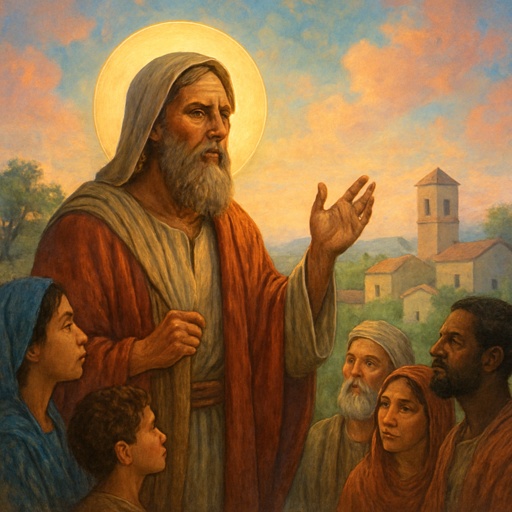
Prophet Joel in a small village surrounded by a small diverse group of listeners. Joel has an aura about his head. The background sky and cloud are seen in soft pastels pinks, yellows, and blues.

Prophet Joel in a small village surrounded by a small diverse group of listeners. Joel has an aura about his head. The background sky and cloud are seen in soft pastels pinks, yellows, and blues.

1 Chronicles 6:33 - "And these are they that waited with their children. Of the sons of the Kohathites: Heman a singer, the son of Joel, the son of Shemuel,"

Joel 1:10 - "The field is wasted, the land mourneth; for the corn is wasted: the new wine is dried up, the oil languisheth."

Joel 1:3 - "Tell ye your children of it, and let your children tell their children, and their children another generation."

Joel 1:17 - "The seed is rotten under their clods, the garners are laid desolate, the barns are broken down; for the corn is withered."

Joel 3:1 - "For, behold, in those days, and in that time, when I shall bring again the captivity of Judah and Jerusalem,"

1 Chronicles 27:20 - "Of the children of Ephraim, Hoshea the son of Azaziah: of the half tribe of Manasseh, Joel the son of Pedaiah:"

Joel 1:16 - "Is not the meat cut off before our eyes, yea, joy and gladness from the house of our God?"

1 Chronicles 15:11 - "And David called for Zadok and Abiathar the priests, and for the Levites, for Uriel, Asaiah, and Joel, Shemaiah, and Eliel, and Amminadab,"

Joel 1:9 - "The meat offering and the drink offering is cut off from the house of the LORD; the priests, the LORD'S ministers, mourn."