What does Joel 1:11 mean?
"Be ye ashamed, O ye husbandmen; howl, O ye vinedressers, for the wheat and for the barley; because the harvest of the field is perished." - Joel 1:11
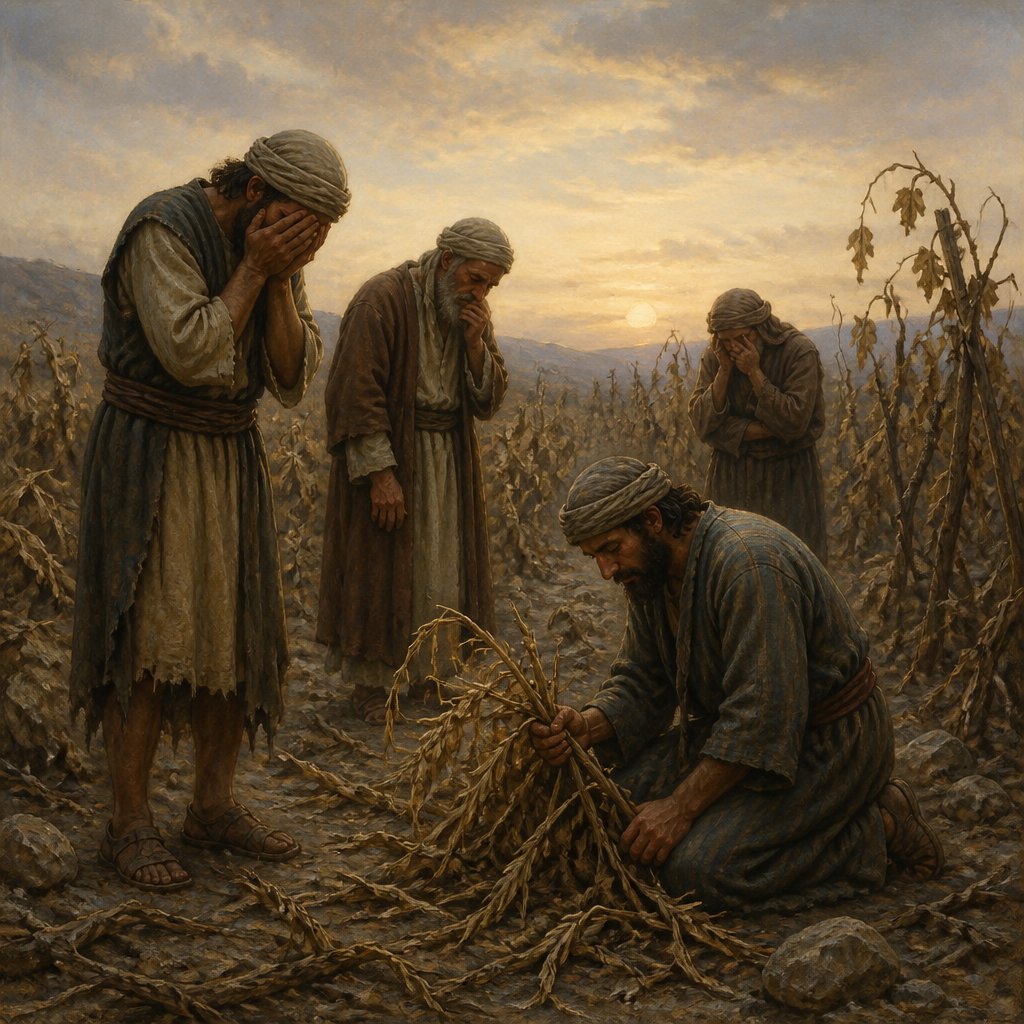
The Bible verse Joel 1:11 in the King James Version says, "Be ye ashamed, O ye husbandmen; howl, O ye vinedressers, for the wheat and for the barley; because the harvest of the field is perished."
In this verse, the prophet Joel is speaking to husbandmen and vinedressers, addressing them to express their shame and devastation at the loss of the wheat and barley harvest. The imagery of the ruined harvest is used to convey a message of impending judgment and repentance.
The context of this verse is found in the book of Joel, which is one of the twelve Minor Prophets in the Old Testament. The book is set in a time of great crisis, as the land of Judah is afflicted by a series of devastating disasters, including a plague of locusts, drought, and fire. These calamities are seen as a result of the people's sin and disobedience, and Joel's message is a call to repentance and a warning of the impending Day of the Lord.
One of the key themes of the book of Joel is the Day of the Lord, a time of divine judgment and restoration. In this verse, the ruined harvest serves as a symbol of the land's desolation and the people's spiritual barrenness. The husbandmen and vinedressers are called to mourn the loss of the harvest, as it represents a direct consequence of their sin and unfaithfulness. The call to be ashamed and howl further emphasizes the severity of the situation and the need for a deep and genuine repentance.
The verse also carries strong themes of stewardship and responsibility. The husbandmen and vinedressers are entrusted with the care of the land and the cultivation of its crops, and their failure to properly tend to their duties has resulted in the loss of the harvest. This serves as a reminder of the importance of faithfully stewarding God's blessings and the consequences of neglecting our responsibilities.
Symbolism is also present in this verse, as the wheat and barley can be seen as representing the spiritual fruitfulness and sustenance that comes from a life of faithfulness and obedience to God. The ruined harvest symbolizes the spiritual desolation and emptiness that result from turning away from God. The imagery of the ruined harvest is a powerful metaphor for the consequences of sin and a powerful call to repentance and restoration.
In conclusion, Joel 1:11 is a poignant and evocative verse that conveys a message of repentance and warning in the face of divine judgment. The ruined harvest serves as a powerful symbol of the consequences of sin and the need for spiritual renewal. The verse calls for a deep sense of shame and mourning as a response to the devastation, and serves as a powerful reminder of the importance of faithful stewardship and the consequences of neglecting our responsibilities. The themes of judgment, repentance, and restoration resonate throughout the book of Joel, and this verse serves as a powerful call to heed the warning and turn back to God.
Have questions about Joel 1:11?
Dive deeper into this scripture with Bible Chat — an AI-powered tool for exploring God's Word through conversation. Ask questions, get context, and grow in your understanding of the Bible.
Get Our Apps


Joel 1:11 Artwork

Joel 1:11 - "Be ye ashamed, O ye husbandmen; howl, O ye vinedressers, for the wheat and for the barley; because the harvest of the field is perished."
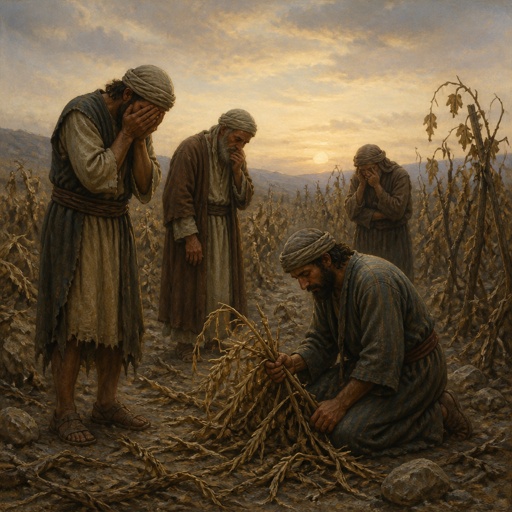
"Be ye ashamed, O ye husbandmen; howl, O ye vinedressers, for the wheat and for the barley; because the harvest of the field is perished." - Joel 1:11

1 Chronicles 11:38 - "Joel the brother of Nathan, Mibhar the son of Haggeri,"

1 Chronicles 15:11 - "And David called for Zadok and Abiathar the priests, and for the Levites, for Uriel, Asaiah, and Joel, Shemaiah, and Eliel, and Amminadab,"

Joel 1:1 - "The word of the LORD that came to Joel the son of Pethuel."

"Joel the brother of Nathan, Mibhar the son of Haggeri," - 1 Chronicles 11:38
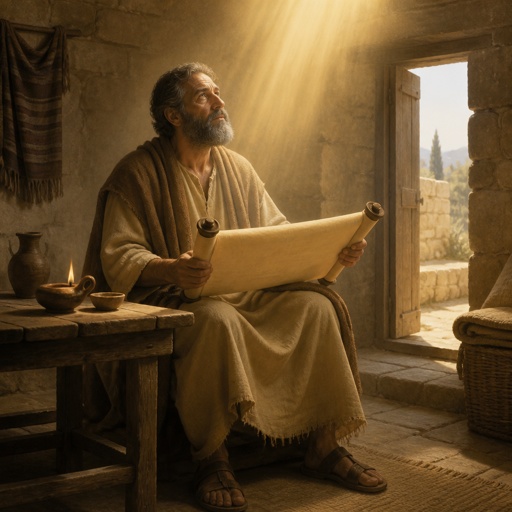
"The word of the LORD that came to Joel the son of Pethuel." - Joel 1:1

Nehemiah 11:9 - "And Joel the son of Zichri was their overseer: and Judah the son of Senuah was second over the city."
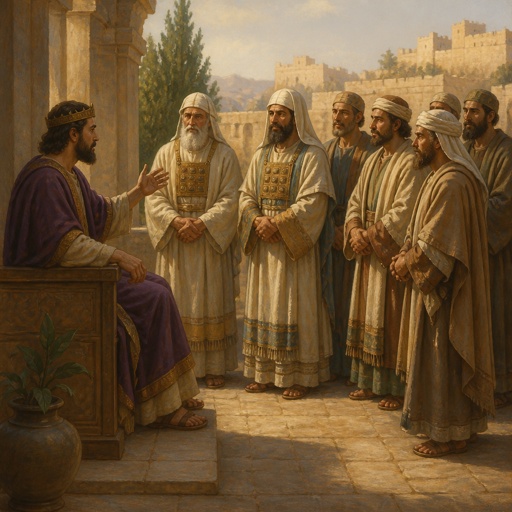
"And David called for Zadok and Abiathar the priests, and for the Levites, for Uriel, Asaiah, and Joel, Shemaiah, and Eliel, and Amminadab," - 1 Chronicles 15:11

Joel 1 natural disaster

Acts 1:1-11

Acts 1:1-11

Joel 1:2-4, 13-20

Joel 1:8 - "¶ Lament like a virgin girded with sackcloth for the husband of her youth."

1 Chronicles 23:8 - "The sons of Laadan; the chief was Jehiel, and Zetham, and Joel, three."

1 Chronicles 5:12 - "Joel the chief, and Shapham the next, and Jaanai, and Shaphat in Bashan."

1 Chronicles 4:35 - "And Joel, and Jehu the son of Josibiah, the son of Seraiah, the son of Asiel,"

1 Chronicles 6:36 - "The son of Elkanah, the son of Joel, the son of Azariah, the son of Zephaniah,"

1 Chronicles 15:7 - "Of the sons of Gershom; Joel the chief, and his brethren an hundred and thirty:"

Joel 3:11 - "Assemble yourselves, and come, all ye heathen, and gather yourselves together round about: thither cause thy mighty ones to come down, O LORD."

Joel 1:15 - "Alas for the day! for the day of the LORD is at hand, and as a destruction from the Almighty shall it come."
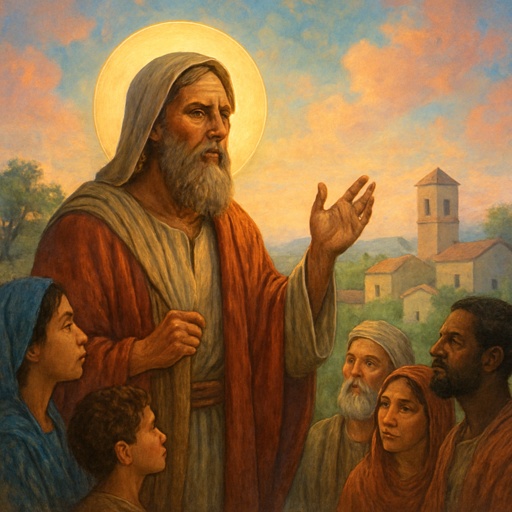
Prophet Joel in a small village surrounded by a small diverse group of listeners. Joel has an aura about his head. The background sky and cloud are seen in soft pastels pinks, yellows, and blues.

Prophet Joel in a small village surrounded by a small diverse group of listeners. Joel has an aura about his head. The background sky and cloud are seen in soft pastels pinks, yellows, and blues.
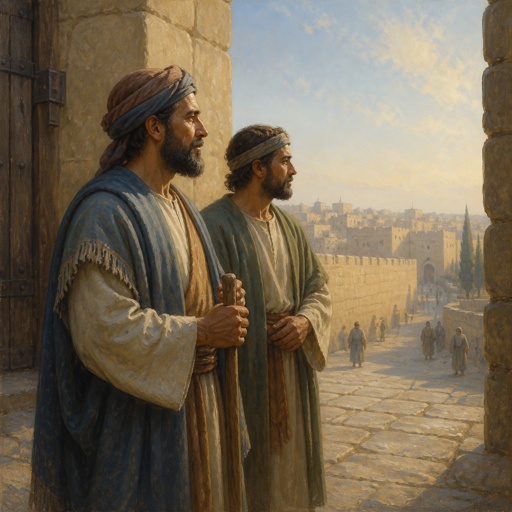
"And Joel the son of Zichri was their overseer: and Judah the son of Senuah was second over the city." - Nehemiah 11:9

1 Chronicles 6:33 - "And these are they that waited with their children. Of the sons of the Kohathites: Heman a singer, the son of Joel, the son of Shemuel,"

Joel 1:10 - "The field is wasted, the land mourneth; for the corn is wasted: the new wine is dried up, the oil languisheth."

Joel 1:3 - "Tell ye your children of it, and let your children tell their children, and their children another generation."

1 Chronicles 5:4 - "The sons of Joel; Shemaiah his son, Gog his son, Shimei his son,"

Joel 1:17 - "The seed is rotten under their clods, the garners are laid desolate, the barns are broken down; for the corn is withered."

Joel 3:1 - "For, behold, in those days, and in that time, when I shall bring again the captivity of Judah and Jerusalem,"