What does Job 9:10 mean?
"Which doeth great things past finding out; yea, and wonders without number." - Job 9:10

Job 9:10 (KJV) states, "Which doeth great things past finding out; yea, and wonders without number."
The book of Job is one of the most discussed and debated books in the Bible. It is known for its exploration of the problem of suffering and the human experience of tragedy. In this verse, Job is expressing the vastness and awe-inspiring nature of God's works, particularly in the context of his own suffering. Let's delve deeper into the meaning and commentary of this verse.
The verse begins with the phrase "Which doeth great things past finding out." This is a declaration of the unfathomable nature of God's actions. It acknowledges that there are aspects of God's work that are beyond human understanding. The word "great" emphasizes the magnitude and significance of these actions. It serves as a reminder that God's ways are higher than our ways and his thoughts are higher than our thoughts, as stated in Isaiah 55:9. This verse encourages humility and trust in God, even in the face of perplexing and challenging circumstances.
The following phrase, "yea, and wonders without number," further emphasizes the incomprehensibility of God's works. The word "wonders" conveys the idea of miracles and extraordinary phenomena that are beyond human explanation. It suggests that God's actions are not only great but also numerous, indicating the abundance of His works. This abundance can be seen in the diversity and complexity of the natural world, the intricacies of human life, and the countless acts of providence and grace that God bestows upon His creation. The phrase "without number" implies that God's wonders are countless and cannot be fully accounted for or comprehended by humanity. It is a recognition of the boundless nature of God's power and creativity.
The overarching theme of this verse is the transcendence and incomprehensibility of God. It underscores the limitations of human knowledge and understanding when it comes to divine matters. It invites contemplation of the mysteries of God and encourages reverence and awe in the presence of His greatness. This theme resonates throughout the book of Job, as Job grapples with the enigmatic nature of his suffering and seeks to comprehend the ways of God.
The context of this verse is critical to understanding its full significance. Job, a righteous and blameless man, is in the midst of immense suffering. He has lost his children, his wealth, and his health, and he is grappling with profound questions about the nature of God and the reasons for his suffering. In the previous verses, Job laments the seeming injustice of his plight and expresses a desire to plead his case before God. He longs to present his arguments and question God about the reasons for his suffering.
In this verse, Job acknowledges the incomprehensibility of God's works in the midst of his suffering. His words convey a sense of wonder and awe at the power and majesty of God, even as he struggles to make sense of his own circumstances. Job's acknowledgment of God's unfathomable greatness serves as a moment of humility and surrender in the face of his suffering. It reflects a profound trust in the sovereignty of God, despite the perplexing and painful events in his life.
The symbolism in this verse lies in the contrast between the limited understanding of humanity and the boundless wisdom and power of God. It highlights the disparity between the finite nature of human knowledge and the infinite nature of God's understanding. The language of wonder and marvel conveys a sense of admiration and reverence for the divine, emphasizing the awe-inspiring nature of God's works.
In summary, Job 9:10 (KJV) is a powerful declaration of the incomprehensible greatness of God. It invites contemplation of the mysteries of God's works and underscores the limitations of human understanding. In the context of Job's suffering, this verse serves as a poignant reminder of the transcendence and sovereignty of God, inspiring humility, trust, and awe in the face of life's challenges. The verse offers timeless wisdom and comfort, inviting readers to embrace a posture of reverence and wonder in the presence of the unfathomable greatness of God.
Have questions about Job 9:10?
Dive deeper into this scripture with Bible Chat — an AI-powered tool for exploring God's Word through conversation. Ask questions, get context, and grow in your understanding of the Bible.
Get Our Apps


Job 9:10 Artwork

Job 9:10 - "Which doeth great things past finding out; yea, and wonders without number."

"Which doeth great things past finding out; yea, and wonders without number." - Job 9:10

Job 10:9 - "Remember, I beseech thee, that thou hast made me as the clay; and wilt thou bring me into dust again?"

Job 30:9-10 - "And now I have become their song; I am a byword to them. They abhor me, they keep aloof from me; they do not hesitate to spit at the sight of me."

Job 9:1 - "Then Job answered and said,"

"Then Job answered and said," - Job 9:1

Job 1:9 - "Then Satan answered the LORD, and said, Doth Job fear God for nought?"

Job 9:9 - "Which maketh Arcturus, Orion, and Pleiades, and the chambers of the south."

Job 42:10 - "And the LORD turned the captivity of Job, when he prayed for his friends: also the LORD gave Job twice as much as he had before."

Job 1:9 no words

Job 10:10 - "Hast thou not poured me out as milk, and curdled me like cheese?"

"Remember, I beseech thee, that thou hast made me as the clay; and wilt thou bring me into dust again?" - Job 10:9

Job 1:9 no words

Job 42:9 - "So Eliphaz the Temanite and Bildad the Shuhite and Zophar the Naamathite went, and did according as the LORD commanded them: the LORD also accepted Job."

Job 9:29 - "If I be wicked, why then labour I in vain?"

Job 29:9 - "The princes refrained talking, and laid their hand on their mouth."

Job 12:9 - "Who knoweth not in all these that the hand of the LORD hath wrought this?"

Job 39:9 - "Will the unicorn be willing to serve thee, or abide by thy crib?"

Job 4:9 - "By the blast of God they perish, and by the breath of his nostrils are they consumed."
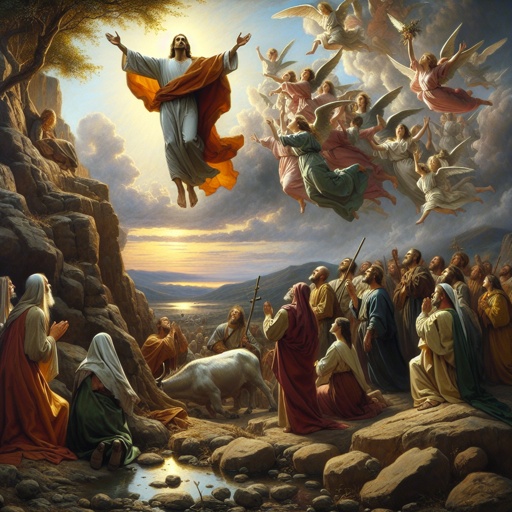
Psalm 10:9-10

Psalm 10:9-10

Job 18:10 - "The snare is laid for him in the ground, and a trap for him in the way."

Job 37:10 - "By the breath of God frost is given: and the breadth of the waters is straitened."

Job 37:9 - "Out of the south cometh the whirlwind: and cold out of the north."

Job 9:35 - "Then would I speak, and not fear him; but it is not so with me."

Job 24:9 - "They pluck the fatherless from the breast, and take a pledge of the poor."

Job 9:7 - "Which commandeth the sun, and it riseth not; and sealeth up the stars."

Job 36:9 - "Then he sheweth them their work, and their transgressions that they have exceeded."

Job 9:26 - "They are passed away as the swift ships: as the eagle that hasteth to the prey."

Job 9:23 - "If the scourge slay suddenly, he will laugh at the trial of the innocent."