What does Job 8:9 mean?
"(For we are but of yesterday, and know nothing, because our days upon earth are a shadow:)" - Job 8:9
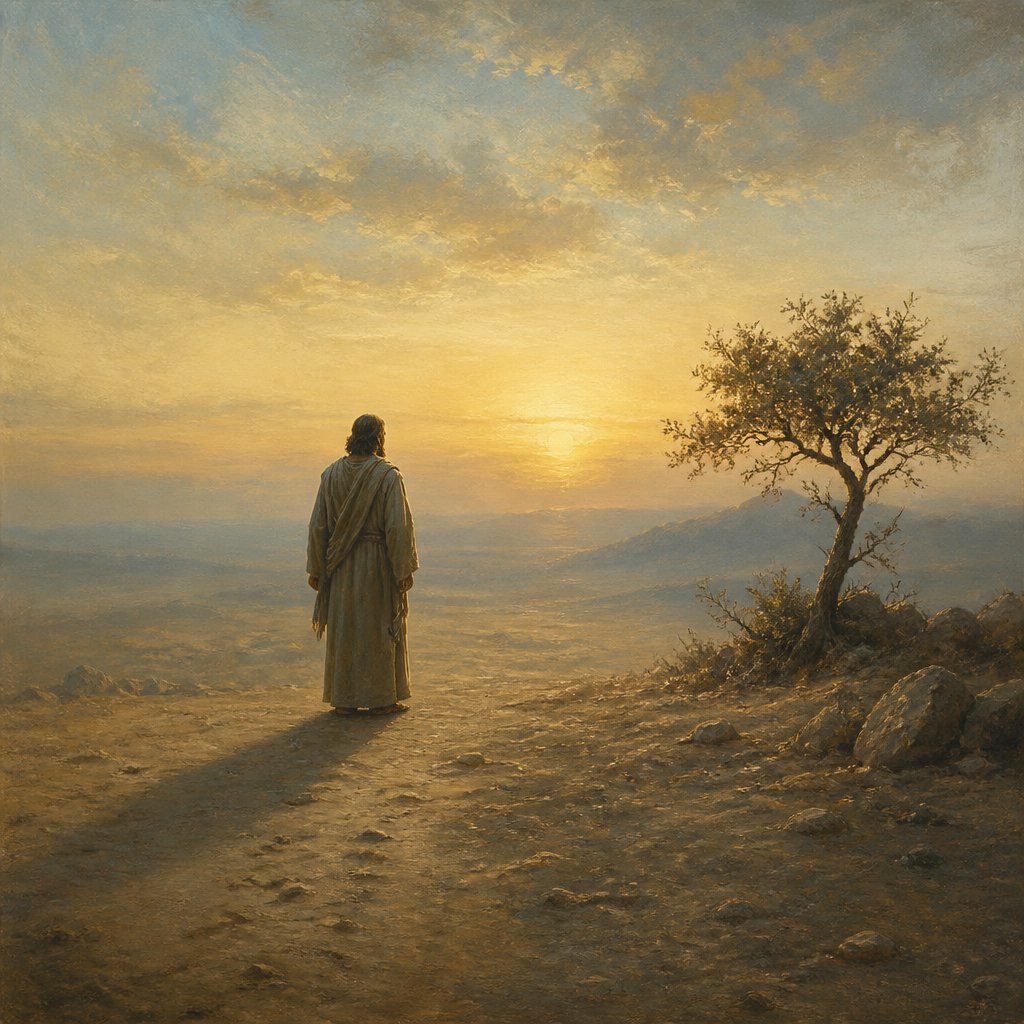
Job 8:9 (KJV) states, "For we are but of yesterday, and know nothing, because our days upon earth are a shadow." This line is part of a larger passage in the Book of Job, which is a complex and challenging text that explores themes of suffering, faith, and the nature of God. In order to fully understand the meaning and significance of this verse, it is important to consider its context within the broader narrative of the book, as well as the historical and cultural background of the passage.
The Book of Job is part of the Hebrew Bible and is generally thought to have been written between the 6th and 4th centuries BCE. The story of Job is one of the most well-known in the Bible, and it centers around a man named Job who experiences great suffering and loss. Despite his hardships, Job maintains his faith in God, and the book ultimately grapples with questions about the nature of suffering, the fairness of God, and the limitations of human understanding.
In chapter 8, Job's friend Bildad responds to Job's lament with a speech that contains the verse in question. Bildad, like the other friends who speak in the book, attempts to provide an explanation for Job's suffering, emphasizing the idea that God is just and that suffering is a result of sin. In this particular verse, Bildad is reminding Job of the transitory and uncertain nature of human life, suggesting that because our days on earth are fleeting, we cannot hope to fully understand the ways of God.
The verse begins with the assertion, "For we are but of yesterday, and know nothing." This phrase serves as a reminder of the brevity and fragility of human life. It is a recognition of the limited scope of human knowledge and understanding in the grand scheme of God's infinite wisdom and power. The idea that humanity is "but of yesterday" suggests a sense of humility and insignificance in comparison to the eternal and omnipotent nature of God.
The verse goes on to state, "because our days upon earth are a shadow." This imagery of life as a shadow emphasizes the transient and insubstantial nature of human existence. A shadow is fleeting and ephemeral, existing only briefly in the presence of light. Similarly, the days of a human life are fleeting and transitory, passing by quickly and ultimately holding no permanence or substance in the face of eternity.
The broader themes of the Book of Job are reflected in this verse, as it addresses the limitations of human understanding and the need for faith in the face of suffering. The verse captures a sense of humility and perspective, acknowledging the finite nature of human life and the unknowable wisdom of God. In the context of the larger narrative, this verse serves as a reminder to Job of the limits of human understanding and the need to trust in the greater plan and purpose of God, even in the midst of adversity and hardship.
In addition to its thematic significance, this verse also contains a number of symbols and metaphors that enhance its meaning. The imagery of life as a shadow serves as a powerful metaphor for the fragile and ephemeral nature of humanity. This symbol underscores the broader theme of the verse, emphasizing the fleeting and insubstantial quality of human existence.
Overall, Job 8:9 (KJV) is a verse that grapples with profound existential questions and the complex relationship between human suffering and divine knowledge. It is a reminder of the limitations of human understanding and the essential need for faith and humility in the face of the unknown. As part of the Book of Job, this verse contributes to a larger exploration of the nature of God and the human experience, offering a deeply profound reflection on the complexities of faith and suffering.
Have questions about Job 8:9?
Dive deeper into this scripture with Bible Chat — an AI-powered tool for exploring God's Word through conversation. Ask questions, get context, and grow in your understanding of the Bible.
Get Our Apps


Job 8:9 Artwork

Job 8:9 - "(For we are but of yesterday, and know nothing, because our days upon earth are a shadow:)"
"(For we are but of yesterday, and know nothing, because our days upon earth are a shadow:)" - Job 8:9

Job 9:8 - "Which alone spreadeth out the heavens, and treadeth upon the waves of the sea."
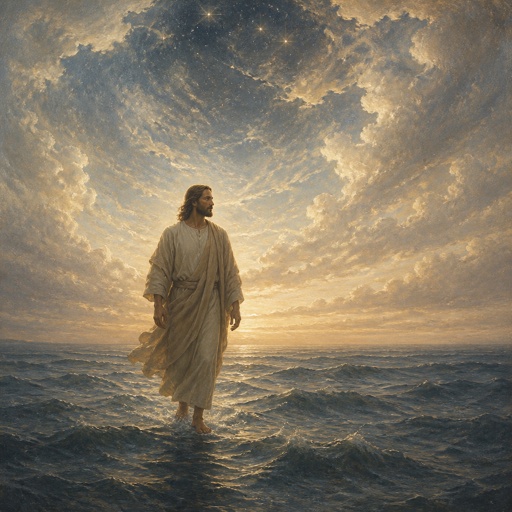
"Which alone spreadeth out the heavens, and treadeth upon the waves of the sea." - Job 9:8

Job 9:1 - "Then Job answered and said,"

"Then Job answered and said," - Job 9:1

Job 1:9 - "Then Satan answered the LORD, and said, Doth Job fear God for nought?"

Job 9:9 - "Which maketh Arcturus, Orion, and Pleiades, and the chambers of the south."

Job 1:8

Job 8:8 - "For enquire, I pray thee, of the former age, and prepare thyself to the search of their fathers:"

Job 1:9 no words

Job 1:9 no words

Job 8:1 - "Then answered Bildad the Shuhite, and said,"

Job 37:8 - "Then the beasts go into dens, and remain in their places."

Job 36:8 - "And if they be bound in fetters, and be holden in cords of affliction;"

Job 42:9 - "So Eliphaz the Temanite and Bildad the Shuhite and Zophar the Naamathite went, and did according as the LORD commanded them: the LORD also accepted Job."

Job 9:29 - "If I be wicked, why then labour I in vain?"

Job 29:9 - "The princes refrained talking, and laid their hand on their mouth."

Job 8:19 - "Behold, this is the joy of his way, and out of the earth shall others grow."

Job 4:9 - "By the blast of God they perish, and by the breath of his nostrils are they consumed."

Job 39:9 - "Will the unicorn be willing to serve thee, or abide by thy crib?"

Job 12:9 - "Who knoweth not in all these that the hand of the LORD hath wrought this?"

Job 21:8 - "Their seed is established in their sight with them, and their offspring before their eyes."

Job 32:8 - "But there is a spirit in man: and the inspiration of the Almighty giveth them understanding."

Job 37:9 - "Out of the south cometh the whirlwind: and cold out of the north."

Job 24:9 - "They pluck the fatherless from the breast, and take a pledge of the poor."

Job 9:35 - "Then would I speak, and not fear him; but it is not so with me."

Job 9:7 - "Which commandeth the sun, and it riseth not; and sealeth up the stars."

Job 36:9 - "Then he sheweth them their work, and their transgressions that they have exceeded."

Job 9:26 - "They are passed away as the swift ships: as the eagle that hasteth to the prey."