What does Job 7:20 mean?
"I have sinned; what shall I do unto thee, O thou preserver of men? why hast thou set me as a mark against thee, so that I am a burden to myself?" - Job 7:20
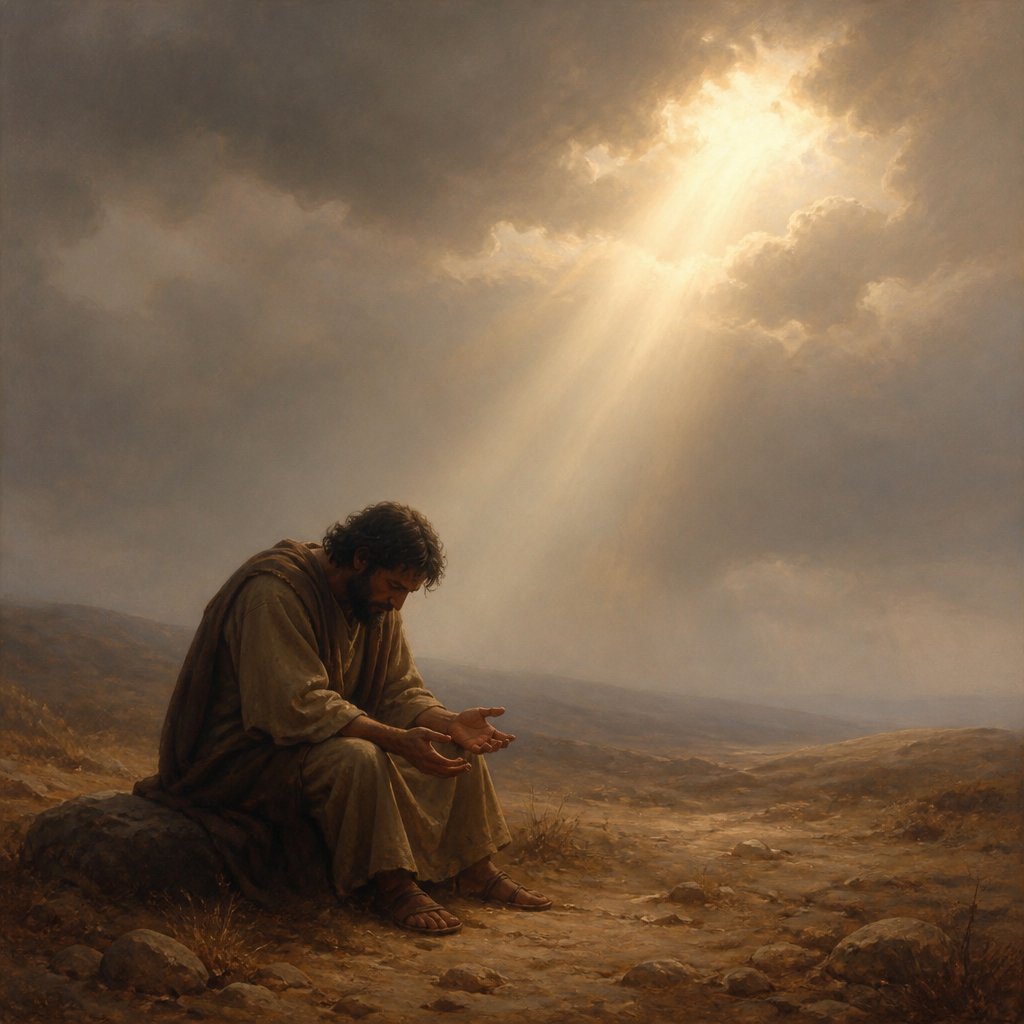
Job 7:20 (KJV) states, "I have sinned; what shall I do unto thee, O thou preserver of men? why hast thou set me as a mark against thee, so that I am a burden to myself?"
This verse comes from the book of Job, which is a part of the Old Testament in the Bible. The book of Job tells the story of a man named Job who experiences incredible suffering and loss, including the deaths of his children, the loss of his wealth, and even the suffering of his own body. Despite all of this, Job remains faithful to God, even in the midst of his suffering. The verse in question is an expression of Job's deep despair and his plea to God for understanding and relief from his suffering.
In this verse, Job is expressing a deep sense of confusion and hopelessness in response to his suffering. He acknowledges his own sinfulness and asks what he can possibly do to appease God. Throughout the book of Job, there is a strong emphasis on the nature of suffering and the role of God in the midst of it. Job struggles with the question of why he, a righteous and blameless man, is suffering so greatly, and he also struggles with feeling abandoned and burdened by his own existence.
One of the key themes in this verse is the nature of suffering and the human response to it. Job's words reflect the deep pain and confusion that often accompanies suffering. He is not just physically burdened, but he is also suffering emotionally and psychologically. His question to God is one that many people can relate to: Why is there suffering in the world, and how can we make sense of it?
Another theme present in this verse is the idea of sin and its consequences. Job acknowledges his own sinfulness and seems to be questioning whether his suffering is a direct result of his actions. This raises questions about the nature of sin and punishment, and the role of God in bringing about suffering as a result of sin.
The context of this verse within the larger book of Job is also significant. Job's suffering is a central focus of the book, and his dialogue with his friends and with God revolves around the question of why suffering exists and what it means for his relationship with God. This verse is a key part of Job's struggle to understand and make sense of his suffering, and it sets the stage for the ongoing dialogue between Job and God that follows.
Symbolism is also present in this verse, particularly in Job's reference to being "set as a mark against" God. This suggests a sense of being targeted or singled out by God for suffering, which adds to Job's feelings of confusion and despair. The idea of being a burden to himself also speaks to the heavy emotional weight that Job is carrying as a result of his suffering.
Overall, Job 7:20 is a powerful expression of the deep anguish and confusion that can accompany suffering. It raises important questions about the nature of suffering, sin, and the role of God in the midst of it. Job's plea to God for understanding and relief reflects a universal human experience, and his words continue to resonate with readers as they grapple with their own struggles and questions about suffering.
Have questions about Job 7:20?
Dive deeper into this scripture with Bible Chat — an AI-powered tool for exploring God's Word through conversation. Ask questions, get context, and grow in your understanding of the Bible.
Get Our Apps


Job 7:20 Artwork

Job 7:20 - "I have sinned; what shall I do unto thee, O thou preserver of men? why hast thou set me as a mark against thee, so that I am a burden to myself?"
"I have sinned; what shall I do unto thee, O thou preserver of men? why hast thou set me as a mark against thee, so that I am a burden to myself?" - Job 7:20

Job 20:7 - "Yet he shall perish for ever like his own dung: they which have seen him shall say, Where is he?"

Job 1:20

Job 1:20

Job 3:20-21 - "Job 3:20-21: Why is light given to those in misery, and life to the bitter of soul, to those who long for death that does not come, who search for it more than for hidden treasure?"

Job 1:20 - "Then Job arose, and rent his mantle, and shaved his head, and fell down upon the ground, and worshipped,"

Job 20:5 - "That the triumphing of the wicked is short, and the joy of the hypocrite but for a moment?"

Job 20:1 - "Then answered Zophar the Naamathite, and said,"

Job 20:20 - "Surely he shall not feel quietness in his belly, he shall not save of that which he desired."

Job 28:20 - "Whence then cometh wisdom? and where is the place of understanding?"

Job 34:7 - "What man is like Job, who drinketh up scorning like water?"

Job 1:7

Job 1:7

Job 1:7

Job 36:20 - "Desire not the night, when people are cut off in their place."

Job 20:4 - "Knowest thou not this of old, since man was placed upon earth,"
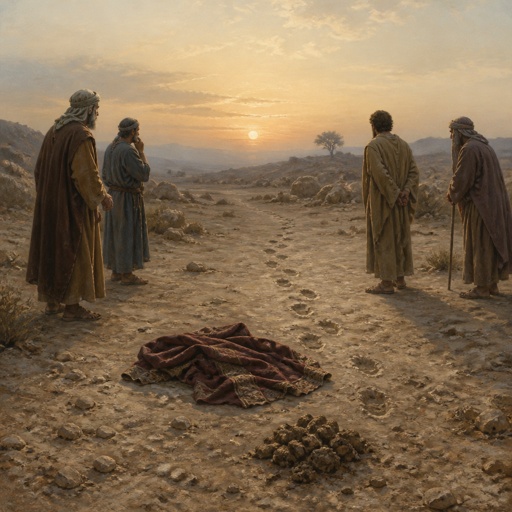
"Yet he shall perish for ever like his own dung: they which have seen him shall say, Where is he?" - Job 20:7

Job 20:17 - "He shall not see the rivers, the floods, the brooks of honey and butter."

Job 7:7 - "O remember that my life is wind: mine eye shall no more see good."

Job 4:20 - "They are destroyed from morning to evening: they perish for ever without any regarding it."

Job 3:20 - "Wherefore is light given to him that is in misery, and life unto the bitter in soul;"

Job 29:20 - "My glory was fresh in me, and my bow was renewed in my hand."

Job 22:20 - "Whereas our substance is not cut down, but the remnant of them the fire consumeth."

Job 33:20 - "So that his life abhorreth bread, and his soul dainty meat."

Job 38:4-7

Job 6:20 - "They were confounded because they had hoped; they came thither, and were ashamed."

Job 20:13 - "Though he spare it, and forsake it not; but keep it still within his mouth:"

Job 12:20 - "He removeth away the speech of the trusty, and taketh away the understanding of the aged."

Job 32:20 - "I will speak, that I may be refreshed: I will open my lips and answer."