What does Job 7:10 mean?
"He shall return no more to his house, neither shall his place know him any more." - Job 7:10
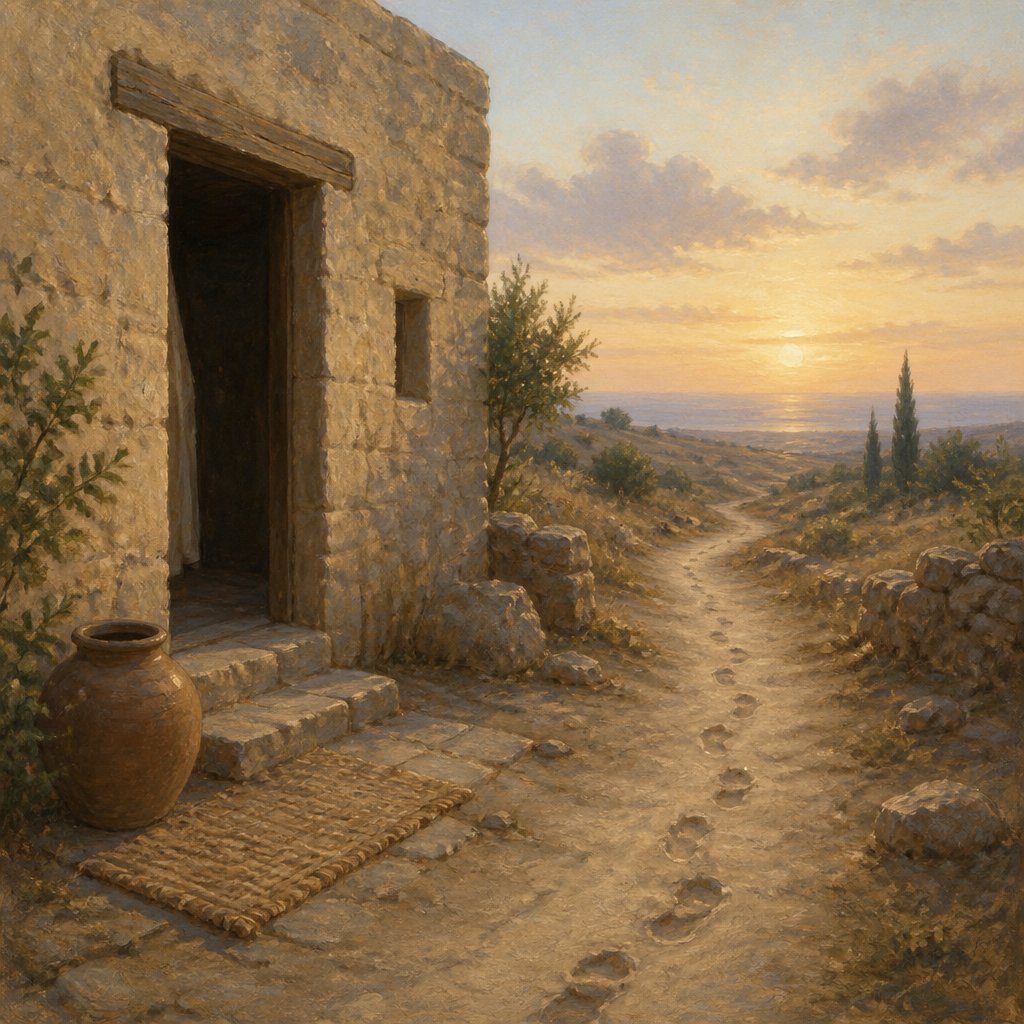
The book of Job is a well-known and revered piece of biblical literature, often cited for its themes of suffering, faith, and the sovereignty of God. In Job 7:10, the King James Version (KJV) states, "He shall return no more to his house, neither shall his place know him anymore."
In order to fully understand the meaning and significance of this verse, it is important to first consider the larger context of the book of Job. The story of Job centers around a man who faces immense suffering and loss, despite being righteous and blameless in the eyes of God. Job's friends believe that his suffering is a result of sin, while Job himself maintains his innocence and questions why God would allow such hardship. This verse comes in the midst of Job's lament about the brevity and hardship of his life, and it reflects his deep sense of hopelessness and despair.
The verse speaks to the idea of impermanence and the fleeting nature of human existence. It describes a sense of finality and irreversibility, suggesting that once a person is gone, their presence will not be known or felt in the same way. This reflects Job's feelings of being abandoned and forgotten, as he grapples with the suffering and isolation he is experiencing. The verse encapsulates the sense of loss and devastation that Job is feeling, as he mourns the life and identity that he once had.
One of the central themes of the book of Job is the problem of suffering and the search for meaning amidst hardship. Job's experiences raise questions about the nature of suffering, the justice of God, and the response of humanity in the face of adversity. This verse captures the profound sense of loss and hopelessness that can accompany suffering, as Job feels that he has been permanently cut off from his former life and identity.
In addition to these themes, the verse also carries with it a sense of symbolism and metaphor. The idea of not returning to one's house and not being known anymore can be understood as a representation of the alienation and estrangement that Job is experiencing. It speaks to the sense of disconnection and displacement that suffering can bring, as well as the feeling of being unrecognizable and forgotten in the midst of turmoil.
From a broader theological perspective, this verse can also be seen as an exploration of the human condition and the limitations of human understanding. It points to the fragility and transience of human life, and the ways in which suffering can disrupt and disorient our sense of self and place in the world.
Ultimately, Job 7:10 is a powerful and poignant reflection of the despair and desolation that Job is experiencing. It captures the sense of finality and irreversibility that accompanies suffering, as well as the broader themes of impermanence, alienation, and the search for meaning in the face of adversity. The verse serves as a reminder of the complexities and challenges of the human experience, and the ways in which suffering can deeply affect our sense of identity and belonging.
Have questions about Job 7:10?
Dive deeper into this scripture with Bible Chat — an AI-powered tool for exploring God's Word through conversation. Ask questions, get context, and grow in your understanding of the Bible.
Get Our Apps


Job 7:10 Artwork

Job 7:10 - "He shall return no more to his house, neither shall his place know him any more."
"He shall return no more to his house, neither shall his place know him any more." - Job 7:10

Job 10:7 - "Thou knowest that I am not wicked; and there is none that can deliver out of thine hand."

"Thou knowest that I am not wicked; and there is none that can deliver out of thine hand." - Job 10:7

Job 42:10 - "And the LORD turned the captivity of Job, when he prayed for his friends: also the LORD gave Job twice as much as he had before."

Job 34:7 - "What man is like Job, who drinketh up scorning like water?"

Job 1:7

Job 1:7

Job 1:7

Job 10:10 - "Hast thou not poured me out as milk, and curdled me like cheese?"

Job 7:7 - "O remember that my life is wind: mine eye shall no more see good."

Job 12:7-10 - "But ask the beasts, and they will teach you; the birds of the heavens, and they will tell you; or the bushes of the earth, and they will teach you; and the fish of the sea will declare to you. Who among all these does not know that the hand of the Lord has done this? In his hand is the life of every living thing and the breath of all mankind."

Job 38:4-7

Job 18:10 - "The snare is laid for him in the ground, and a trap for him in the way."

Job 37:10 - "By the breath of God frost is given: and the breadth of the waters is straitened."

Job 2:7 - "¶ So went Satan forth from the presence of the LORD, and smote Job with sore boils from the sole of his foot unto his crown."

Job 29:10 - "The nobles held their peace, and their tongue cleaved to the roof of their mouth."

Job 13:7 - "Will ye speak wickedly for God? and talk deceitfully for him?"

Job 38:7 - "When the morning stars sang together, and all the sons of God shouted for joy?"

Job 38:10 - "And brake up for it my decreed place, and set bars and doors,"

Job 9:7 - "Which commandeth the sun, and it riseth not; and sealeth up the stars."

Job 10:5 - "Are thy days as the days of man? are thy years as man's days,"

Job 21:10 - "Their bull gendereth, and faileth not; their cow calveth, and casteth not her calf."

Job 10:4 - "Hast thou eyes of flesh? or seest thou as man seeth?"

Job 24:7 - "They cause the naked to lodge without clothing, that they have no covering in the cold."

Job 7:14 - "Then thou scarest me with dreams, and terrifiest me through visions:"

Job 42:7 - "¶ And it was so, that after the LORD had spoken these words unto Job, the LORD said to Eliphaz the Temanite, My wrath is kindled against thee, and against thy two friends: for ye have not spoken of me the thing that is right, as my servant Job hath."

Job 28:7 draw a hidden path

Job 5:10 - "Who giveth rain upon the earth, and sendeth waters upon the fields:"

Job 4:10 - "The roaring of the lion, and the voice of the fierce lion, and the teeth of the young lions, are broken."