What does Job 6:25 mean?
"How forcible are right words! but what doth your arguing reprove?" - Job 6:25

Job 6:25 - "How forcible are right words! but what doth your arguing reprove?"
The book of Job is a complex and deep exploration of suffering, faith, and God's sovereignty. Job, a righteous man, is faced with a series of intense trials, including the loss of his children, his wealth, and his health. Throughout the book, Job wrestles with the question of why he is suffering, and he engages in profound discussions with his friends about the nature of God and the reason for human suffering.
In Job 6:25, Job is responding to the words of his friends, who have been trying to convince him that his suffering must be a result of some sin or wrongdoing on his part. They have been arguing with Job, trying to prove that he must have done something to deserve his suffering. Job, in his response, acknowledges the power of "right words," or truthful and wise counsel. He understands the value of receiving wise and comforting words in his time of suffering. However, he questions the value of his friends' arguments, asking, "but what doth your arguing reprove?" In other words, Job is challenging the validity and benefit of their words, particularly in the context of his own suffering.
The theme of the power of words and the importance of wise counsel is central to this verse. Job recognizes that "right words" have the potential to bring comfort, encouragement, and wisdom to those who are suffering. He understands the impact that words can have on a person's spirit and emotional well-being. This theme of the power of words is a significant and timeless truth that resonates with readers today. It serves as a reminder of the importance of speaking truth, wisdom, and comfort into the lives of those who are facing trials and tribulations.
Additionally, the context of this verse within the book of Job adds depth to its meaning. Job's friends, who have come to comfort him, instead engage in debates and arguments about the reasons for his suffering. They assume that Job is being punished for his sins, and they attempt to prove their point through their own arguments. Job, however, challenges their reasoning and questions the value of their arguments. This dynamic reflects the complexity of human relationships and the difficulty of understanding the reasons for suffering. Job's response serves as a reminder to readers about the importance of showing empathy and understanding towards those who are facing trials, rather than engaging in debates and arguments about their situation.
Symbolically, this verse highlights the contrast between "right words" and empty arguments. It emphasizes the importance of speaking truth and offering comfort and wisdom to those in need. It also serves as a reminder of the need for empathy and understanding in the face of suffering, rather than engaging in debates and arguments about the reasons for someone's trials.
In conclusion, Job 6:25 is a profound and thought-provoking verse that addresses the power of words, the complexity of human relationships, and the need for empathy and understanding in the face of suffering. It demonstrates the value of speaking truth, wisdom, and comfort into the lives of those who are facing trials, and it challenges readers to consider the impact of their words and counsel on others. As part of the larger narrative of the book of Job, this verse adds depth and complexity to the exploration of suffering, faith, and the nature of God.
Have questions about Job 6:25?
Dive deeper into this scripture with Bible Chat — an AI-powered tool for exploring God's Word through conversation. Ask questions, get context, and grow in your understanding of the Bible.
Get Our Apps


Job 6:25 Artwork

Job 6:25 - "How forcible are right words! but what doth your arguing reprove?"

"How forcible are right words! but what doth your arguing reprove?" - Job 6:25

Job 25:6 - "How much less man, that is a worm? and the son of man, which is a worm?"

"How much less man, that is a worm? and the son of man, which is a worm?" - Job 25:6

Job 39:13-25

Job 6:1 - "But Job answered and said,"

Job 25:1 - "Then answered Bildad the Shuhite, and said,"

Job 40:6 - "¶ Then answered the LORD unto Job out of the whirlwind, and said,"

Job 28:25 - "To make the weight for the winds; and he weigheth the waters by measure."

"But Job answered and said," - Job 6:1

Job 21:25 - "And another dieth in the bitterness of his soul, and never eateth with pleasure."

Job 30:25 - "Did not I weep for him that was in trouble? was not my soul grieved for the poor?"

Job 25:5 - "Behold even to the moon, and it shineth not; yea, the stars are not pure in his sight."

Job 36:25 - "Every man may see it; man may behold it afar off."

Job 25:2 - "Dominion and fear are with him, he maketh peace in his high places."

Job 38:25 - "Who hath divided a watercourse for the overflowing of waters, or a way for the lightning of thunder;"
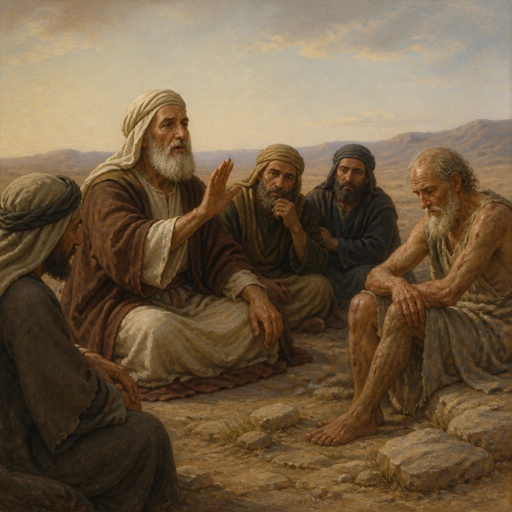
"Then answered Bildad the Shuhite, and said," - Job 25:1

Job 25:3 - "Is there any number of his armies? and upon whom doth not his light arise?"

Job 34:25 - "Therefore he knoweth their works, and he overturneth them in the night, so that they are destroyed."

Job 27:6

Job 9:25 - "Now my days are swifter than a post: they flee away, they see no good."

Job 22:25 - "Yea, the Almighty shall be thy defence, and thou shalt have plenty of silver."

Job 15:25 - "For he stretcheth out his hand against God, and strengtheneth himself against the Almighty."

Job 25:4 - "How then can man be justified with God? or how can he be clean that is born of a woman?"

Job 13:25 - "Wilt thou break a leaf driven to and fro? and wilt thou pursue the dry stubble?"

Job 41:25 - "When he raiseth up himself, the mighty are afraid: by reason of breakings they purify themselves."

Job 39:19-25 – "Do you give the horse its strength or clothe its neck with a flowing mane?"

Job 24:25 - "And if it be not so now, who will make me a liar, and make my speech nothing worth?"

Job 12:25 - "They grope in the dark without light, and he maketh them to stagger like a drunken man."

Job 6:6 - "Can that which is unsavoury be eaten without salt? or is there any taste in the white of an egg?"