What does Job 6:12 mean?
"Is my strength the strength of stones? or is my flesh of brass?" - Job 6:12
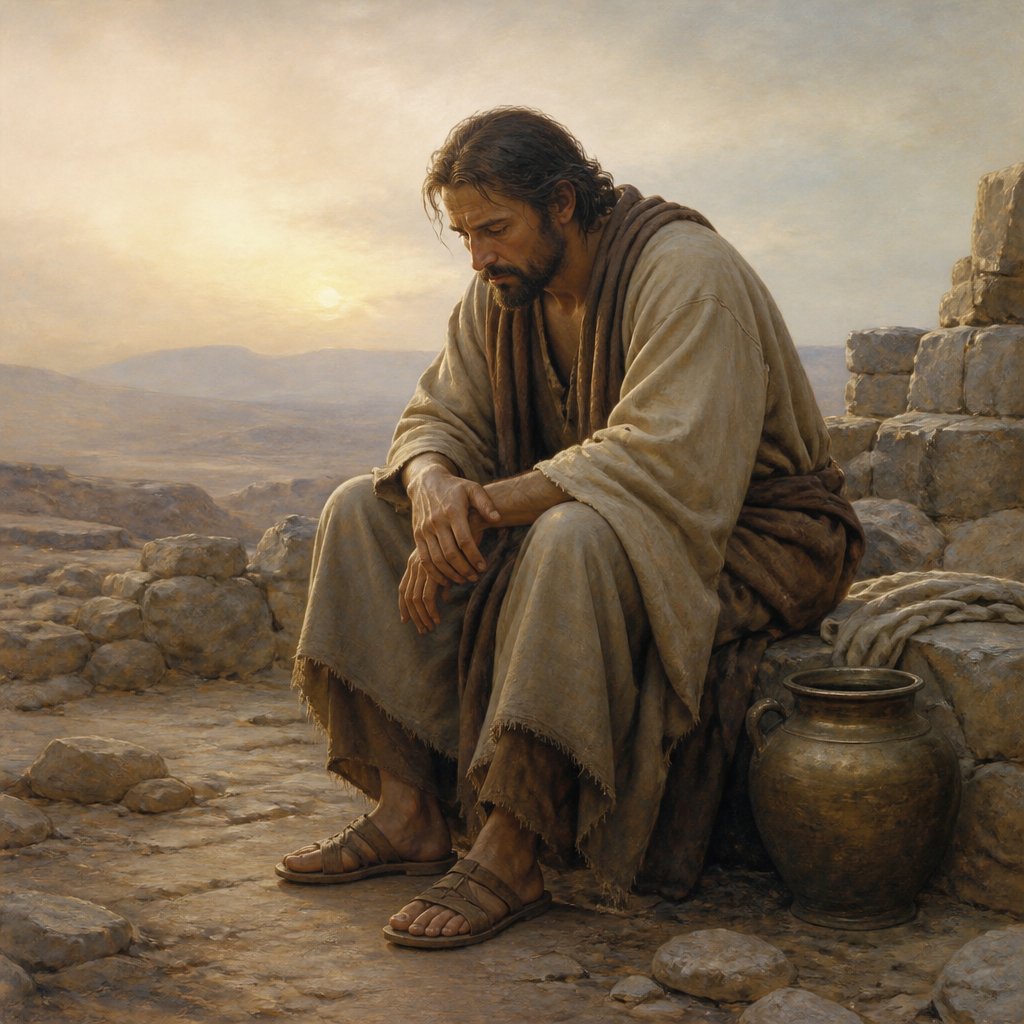
The verse Job 6:12 in the King James Version of the Bible states: "Is my strength the strength of stones? or is my flesh of brass?"
This verse is part of the book of Job, which tells the story of a man named Job who faced immense suffering and loss. Job was a righteous and upright man who feared God and shunned evil. However, he was tested by Satan, who inflicted great suffering upon him in order to prove that Job's faith was not genuine. Throughout the book, Job wrestles with his suffering and questions why he is experiencing such hardship despite his righteousness.
In this particular verse, Job is expressing his feelings of weakness and vulnerability. He is rhetorically asking whether his strength can compare to that of stones or if his flesh is as strong as brass. Job is essentially saying that he feels powerless and unable to withstand the trials and tribulations that have befallen him.
One of the key themes of the book of Job is the problem of human suffering and the question of why bad things happen to good people. Job's suffering prompts deep theological and philosophical questions about the nature of God, the presence of evil in the world, and the concept of divine justice. The verse Job 6:12 reflects Job's struggle to comprehend the reason for his suffering and his feelings of inadequacy in the face of his trials.
The symbolism of stones and brass in this verse is significant. Stones are often associated with strength, stability, and endurance. In ancient times, stones were commonly used to build strong, permanent structures. By asking whether his strength is that of stones, Job is questioning whether he possesses the resilience and steadfastness needed to endure his suffering. Similarly, brass is a durable metal known for its strength and resilience. Job's reference to his flesh being made of brass emphasizes his feeling of weakness and vulnerability in comparison to this strong material.
In a broader sense, Job's question in this verse reflects the universal human experience of grappling with feelings of powerlessness and inadequacy in the face of hardship. It is a poignant expression of the human struggle to find strength and resilience in the midst of suffering. Many people can relate to the sentiment expressed by Job in this verse, as it speaks to the universal experience of facing challenges that seem insurmountable.
The context of this verse within the book of Job is crucial to understanding its significance. Job's lamentations and questioning of God's justice and wisdom are central to the narrative. His friends attempt to offer explanations for his suffering, but Job remains steadfast in his belief that his suffering is undeserved. The verse Job 6:12 is part of Job's impassioned plea for understanding and relief from his anguish.
In conclusion, the verse Job 6:12 from the King James Version of the Bible is a powerful and poignant expression of Job's feelings of weakness and vulnerability in the face of his suffering. It encapsulates the profound theological and philosophical themes of the book of Job, including the problem of human suffering, the search for meaning in the midst of hardship, and the universal human experience of grappling with feelings of powerlessness. It is a verse that resonates with readers across time and speaks to the enduring nature of the human struggle to find strength and resilience in the face of adversity.
Have questions about Job 6:12?
Dive deeper into this scripture with Bible Chat — an AI-powered tool for exploring God's Word through conversation. Ask questions, get context, and grow in your understanding of the Bible.
Get Our Apps


Job 6:12 Artwork

Job 6:12 - "Is my strength the strength of stones? or is my flesh of brass?"

"Is my strength the strength of stones? or is my flesh of brass?" - Job 6:12

Job 12:6 - "The tabernacles of robbers prosper, and they that provoke God are secure; into whose hand God bringeth abundantly."

Job 12:1 - "And Job answered and said,"

Job 6:1 - "But Job answered and said,"
"The tabernacles of robbers prosper, and they that provoke God are secure; into whose hand God bringeth abundantly." - Job 12:6

Job 12:12 - "With the ancient is wisdom; and in length of days understanding."

Job 40:6 - "¶ Then answered the LORD unto Job out of the whirlwind, and said,"

"And Job answered and said," - Job 12:1

"But Job answered and said," - Job 6:1

Job 32:12 - "Yea, I attended unto you, and, behold, there was none of you that convinced Job, or that answered his words:"

Job 27:6

Job 6:6 - "Can that which is unsavoury be eaten without salt? or is there any taste in the white of an egg?"

"With the ancient is wisdom; and in length of days understanding." - Job 12:12

Job 12:16 - "With him is strength and wisdom: the deceived and the deceiver are his."

"¶ Then answered the LORD unto Job out of the whirlwind, and said," - Job 40:6

Job 21:12 - "They take the timbrel and harp, and rejoice at the sound of the organ."

Job 12:2 - "No doubt but ye are the people, and wisdom shall die with you."

Job 12:19 - "He leadeth princes away spoiled, and overthroweth the mighty."

Job 12:13 - "With him is wisdom and strength, he hath counsel and understanding."

Job 28:12 - "But where shall wisdom be found? and where is the place of understanding?"

Job 12:9 - "Who knoweth not in all these that the hand of the LORD hath wrought this?"

Job 30:6 - "To dwell in the clifts of the valleys, in caves of the earth, and in the rocks."

Job 17:12 - "They change the night into day: the light is short because of darkness."

Job 12:18 - "He looseth the bond of kings, and girdeth their loins with a girdle."

Job 28:6 - "The stones of it are the place of sapphires: and it hath dust of gold."

Job 12:21 - "He poureth contempt upon princes, and weakeneth the strength of the mighty."

Job 36:12 - "But if they obey not, they shall perish by the sword, and they shall die without knowledge."

Job 12:11 - "Doth not the ear try words? and the mouth taste his meat?"

Job 35:12 - "There they cry, but none giveth answer, because of the pride of evil men."