What does Job 36:6 mean?
"He preserveth not the life of the wicked: but giveth right to the poor." - Job 36:6
The Bible verse Job 36:6 from the King James Version (KJV) states, "He preserveth not the life of the wicked: but giveth right to the poor." This verse is part of a larger passage in the book of Job, where Elihu, one of Job's friends, speaks about God's righteousness and justice.
In this verse, Elihu is addressing God's treatment of the wicked and the poor. He emphasizes that God does not preserve the life of the wicked, but instead, He gives justice and right to the poor. The verse carries the message that God is just and fair, and He takes care of those who are in need.
One of the primary themes of this verse is the righteousness and justice of God. Throughout the book of Job, the characters engage in discussions and debates about the nature of God and His treatment of people. Elihu's words in this verse reflect the idea that God is righteous and just in His actions. He does not protect or preserve the lives of the wicked, but instead, He stands up for the poor and gives them justice.
Another important theme in this verse is the contrast between the wicked and the poor. The wicked are those who intentionally do harm and act in opposition to God's will, while the poor are those who are in need, whether it be financially, spiritually, or emotionally. By highlighting this contrast, the verse suggests that God's concern for justice extends to all people, regardless of their status or circumstances.
The context of this verse is also significant. The book of Job is primarily a story of suffering, faith, and God's sovereignty. Job, a righteous man, experiences immense suffering and loss, and his friends come to comfort and counsel him. Throughout their conversations, they grapple with the question of why Job is suffering and what it means in the larger context of God's justice and righteousness. Elihu's speech in particular is characterized by his attempt to justify God's ways to Job and his friends.
In this verse, Elihu is essentially affirming the belief that God's justice and righteousness are immutable. He argues that God does not overlook the wicked or allow them to thrive, but instead, He upholds the cause of the poor and oppressed. This provides a sense of hope and assurance for those who are suffering or in need, as it suggests that God's justice will prevail in due time.
The symbolism in this verse lies in the contrast between the wicked and the poor. The wicked represent those who are opposed to God's will and cause harm in the world, while the poor symbolize the vulnerable and marginalized individuals who are in need of help and justice. This symbolism serves to emphasize the broader message of God's justice and fairness for all people, regardless of their circumstances or actions.
Overall, Job 36:6 from the King James Version conveys a profound message about God's righteousness and justice. It reinforces the belief that God does not overlook the wicked, but instead, He stands up for the cause of the poor and oppressed. This verse provides comfort and assurance for those who are experiencing suffering or hardship, as it affirms the belief that God's justice will ultimately prevail. It also serves as a reminder for believers to seek justice and compassion for the poor and marginalized, reflecting God's own concern for their well-being.
Have questions about Job 36:6?
Dive deeper into this scripture with Bible Chat — an AI-powered tool for exploring God's Word through conversation. Ask questions, get context, and grow in your understanding of the Bible.
Get Our Apps


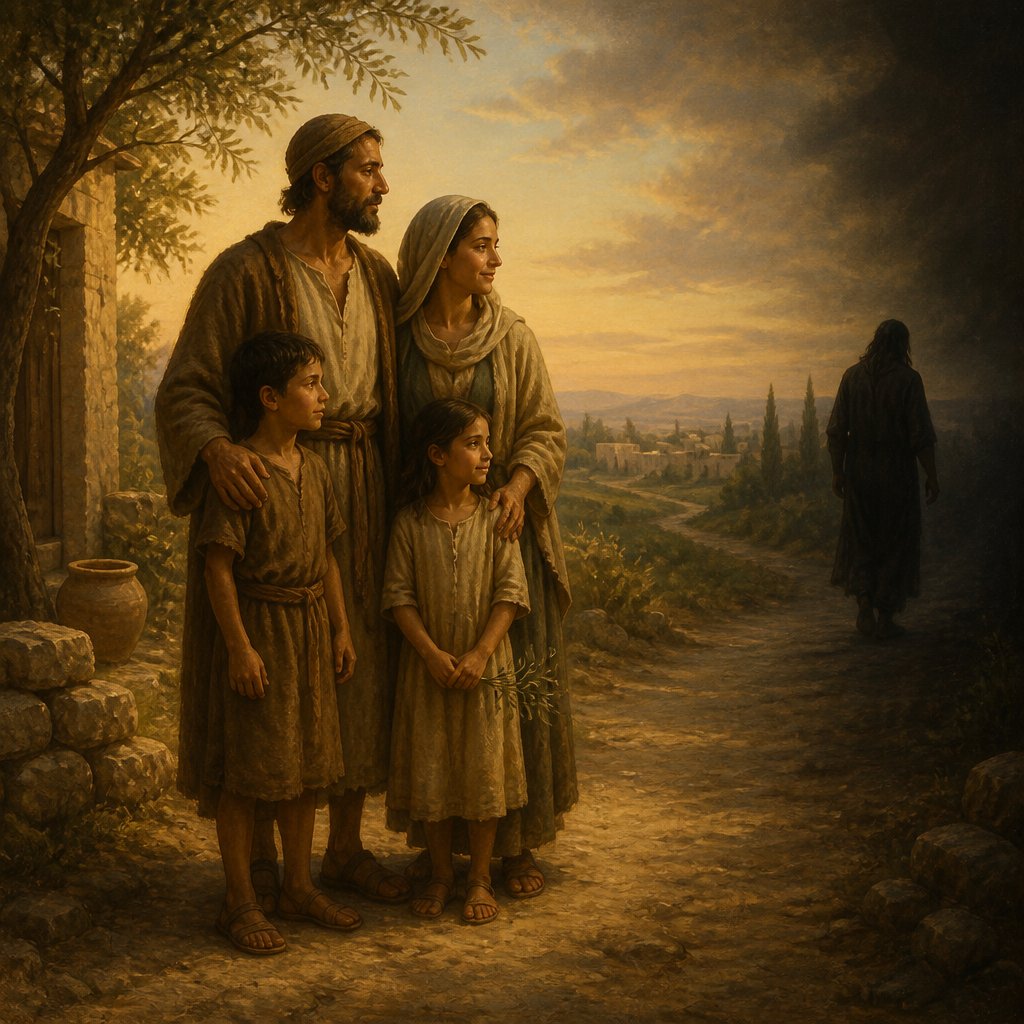
Job 36:6 Artwork

Job 36:6 - "He preserveth not the life of the wicked: but giveth right to the poor."
"He preserveth not the life of the wicked: but giveth right to the poor." - Job 36:6

Job 38:36

Job 38:36

Job 38:36

Job 38:36

Job 34:36 - "My desire is that Job may be tried unto the end because of his answers for wicked men."

Job 36:1 - "Elihu also proceeded, and said,"

Job 36:14 - "They die in youth, and their life is among the unclean."

Job 36:8 - "And if they be bound in fetters, and be holden in cords of affliction;"

Job 36:20 - "Desire not the night, when people are cut off in their place."

Job 36:9 - "Then he sheweth them their work, and their transgressions that they have exceeded."

Job 36:15 - "He delivereth the poor in his affliction, and openeth their ears in oppression."

Job 36:24 - "Remember that thou magnify his work, which men behold."

Job 36:12 - "But if they obey not, they shall perish by the sword, and they shall die without knowledge."

Job 36:28 - "Which the clouds do drop and distil upon man abundantly."

Job 36:33 - "The noise thereof sheweth concerning it, the cattle also concerning the vapour."

Job 36:31 - "For by them judgeth he the people; he giveth meat in abundance."

Job 36:32 - "With clouds he covereth the light; and commandeth it not to shine by the cloud that cometh betwixt."

Job 36:29 - "Also can any understand the spreadings of the clouds, or the noise of his tabernacle?"

Job 36:11 - "If they obey and serve him, they shall spend their days in prosperity, and their years in pleasures."

Job 36:10 - "He openeth also their ear to discipline, and commandeth that they return from iniquity."

Job 36:25 - "Every man may see it; man may behold it afar off."

Job 36:19 - "Will he esteem thy riches? no, not gold, nor all the forces of strength."

Job 36:30 - "Behold, he spreadeth his light upon it, and covereth the bottom of the sea."

Job 36:4 - "For truly my words shall not be false: he that is perfect in knowledge is with thee."

Job 36:5 - "Behold, God is mighty, and despiseth not any: he is mighty in strength and wisdom."

Job 36:22 - "Behold, God exalteth by his power: who teacheth like him?"

Job 36:17 - "But thou hast fulfilled the judgment of the wicked: judgment and justice take hold on thee."

"Elihu also proceeded, and said," - Job 36:1