What does Job 36:31 mean?
"For by them judgeth he the people; he giveth meat in abundance." - Job 36:31

Job 36:31 from the King James Version of the Bible reads, "For by them judgeth he the people; he giveth meat in abundance." This verse is part of a larger passage in the book of Job, where Elihu, one of Job's friends, is speaking to him about the majesty and power of God. In this particular verse, Elihu is emphasizing the ways in which God provides for and sustains his people.
The verse begins with the phrase "For by them judgeth he the people," which indicates to the reader that the actions described in the preceding verses are the means by which God judges or governs the people. In the context of the broader passage, this suggests that God's actions in nature, specifically in providing rain and sustenance, serve as a demonstration of his sovereignty and authority over the earth and its inhabitants.
The second part of the verse declares, "he giveth meat in abundance," highlighting the abundance and generosity of God's provision. This statement reinforces the idea that God not only provides for the physical needs of his people but does so abundantly, ensuring that they have more than enough to sustain them.
The themes present in Job 36:31 are deeply rooted in the broader theological and narrative context of the book of Job. The book of Job addresses the age-old question of theodicy, grappling with the problem of suffering and the ways in which God's justice and sovereignty intersect with human experience. In the midst of Job's suffering, his friends attempt to offer explanations for his hardship, attributing it to various sins or transgressions. Elihu's speech, from which this verse is taken, represents a shift in the dialogue and introduces new perspectives on the nature of God and his relationship to humanity.
Throughout the book of Job, the themes of suffering, divine justice, and the mystery of God's ways are woven together in a complex exploration of human faith and the nature of God. Job 36:31 contributes to this overarching narrative by reinforcing the idea that God's provision and care for his people are fundamental aspects of his character, even in the midst of hardship and uncertainty.
Symbolically, the image of God providing "meat in abundance" can be understood as a metaphor for God's spiritual provision and sustenance for his people. The concept of "meat" carries connotations of substantial nourishment and sustenance, suggesting that God not only meets our physical needs but also provides deeply satisfying spiritual nourishment. In a broader sense, this symbolic imagery speaks to the idea of abundance and generosity in God's provision, reflecting the scriptural motif of a bountiful and gracious God.
In conclusion, Job 36:31 from the King James Version of the Bible offers a rich and multifaceted exploration of God's provision, judgment, and sovereignty. Positioned within the broader context of the book of Job, this verse contributes to the larger themes of suffering, divine justice, and the mysterious ways of God. Through its symbolic language and theological depth, this verse serves as a powerful reminder of God's abundant provision and care for his people, offering hope and reassurance in the face of life's challenges.
Have questions about Job 36:31?
Dive deeper into this scripture with Bible Chat — an AI-powered tool for exploring God's Word through conversation. Ask questions, get context, and grow in your understanding of the Bible.
Get Our Apps


Job 36:31 Artwork

Job 36:31 - "For by them judgeth he the people; he giveth meat in abundance."
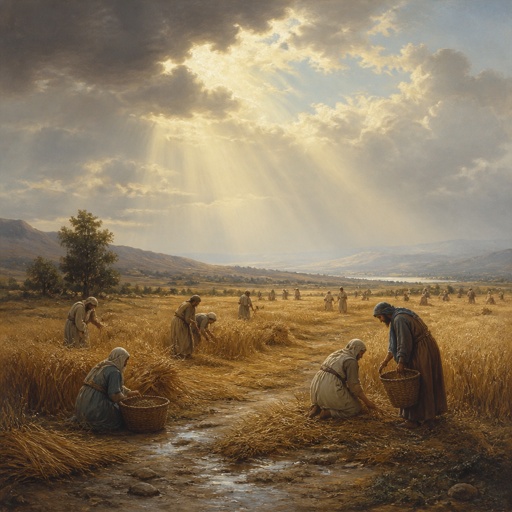
"For by them judgeth he the people; he giveth meat in abundance." - Job 36:31

Job 31:36 - "Surely I would take it upon my shoulder, and bind it as a crown to me."

"Surely I would take it upon my shoulder, and bind it as a crown to me." - Job 31:36

Job 38:36

Job 38:36

Job 38:36

Job 38:36

Job 34:36 - "My desire is that Job may be tried unto the end because of his answers for wicked men."

Job 36:1 - "Elihu also proceeded, and said,"

Job 36:14 - "They die in youth, and their life is among the unclean."

Job 36:8 - "And if they be bound in fetters, and be holden in cords of affliction;"

Job 31:40 - "Let thistles grow instead of wheat, and cockle instead of barley. The words of Job are ended."

Job 36:6 - "He preserveth not the life of the wicked: but giveth right to the poor."

Job 36:20 - "Desire not the night, when people are cut off in their place."

Job 36:9 - "Then he sheweth them their work, and their transgressions that they have exceeded."

Job 31:31 - "If the men of my tabernacle said not, Oh that we had of his flesh! we cannot be satisfied."

Exodus 36:31 - "¶ And he made bars of shittim wood; five for the boards of the one side of the tabernacle,"

Job 33:31 - "Mark well, O Job, hearken unto me: hold thy peace, and I will speak."

Job 36:15 - "He delivereth the poor in his affliction, and openeth their ears in oppression."

Job 36:24 - "Remember that thou magnify his work, which men behold."

Job 36:12 - "But if they obey not, they shall perish by the sword, and they shall die without knowledge."

Job 36:28 - "Which the clouds do drop and distil upon man abundantly."

Job 36:33 - "The noise thereof sheweth concerning it, the cattle also concerning the vapour."

Genesis 36:31 - "¶ And these are the kings that reigned in the land of Edom, before there reigned any king over the children of Israel."

Job 36:32 - "With clouds he covereth the light; and commandeth it not to shine by the cloud that cometh betwixt."

Job 36:29 - "Also can any understand the spreadings of the clouds, or the noise of his tabernacle?"

Job 36:11 - "If they obey and serve him, they shall spend their days in prosperity, and their years in pleasures."

Job 36:25 - "Every man may see it; man may behold it afar off."

Job 36:10 - "He openeth also their ear to discipline, and commandeth that they return from iniquity."