What does Job 31:16 mean?
"If I have withheld the poor from their desire, or have caused the eyes of the widow to fail;" - Job 31:16
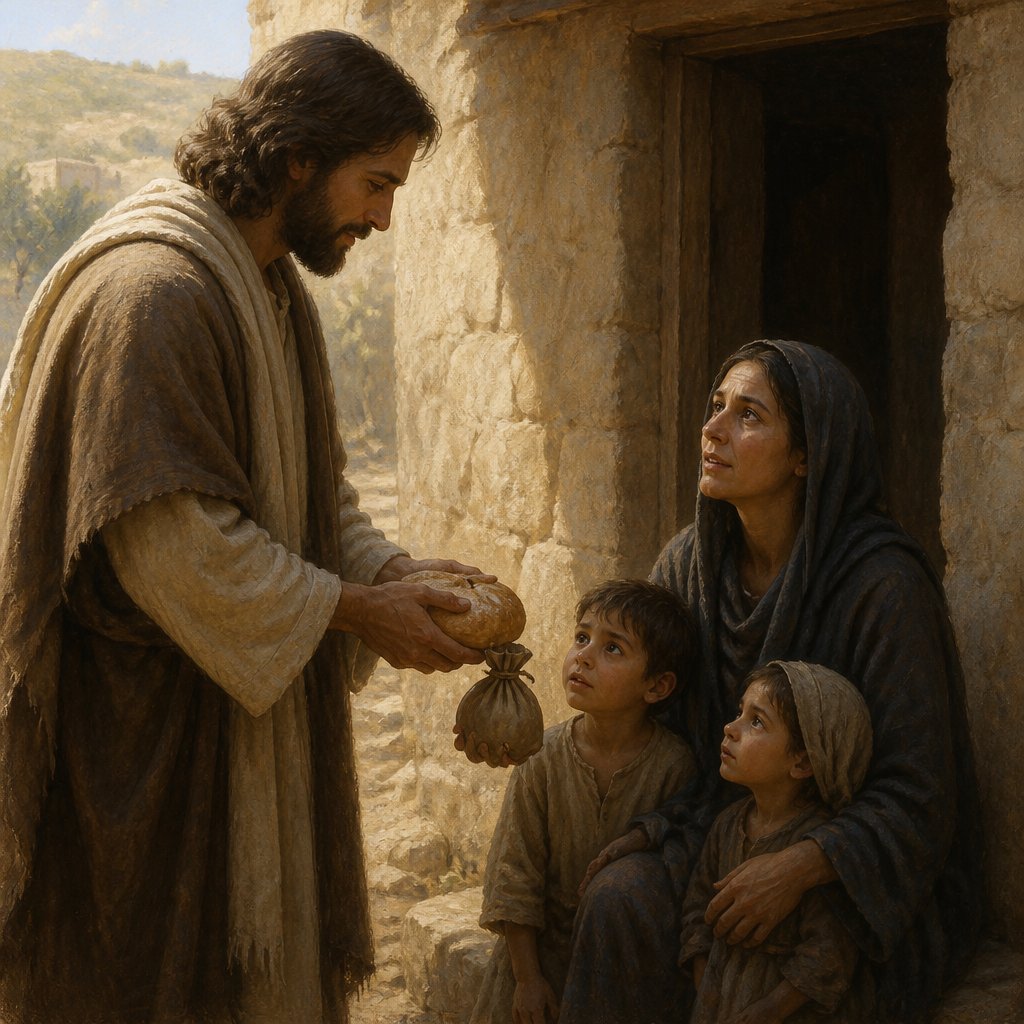
Job 31:16 (KJV) says, "If I have withheld the poor from their desire, or have caused the eyes of the widow to fail."
The book of Job is a complex and deeply profound text within the Biblical canon. The story of Job is centered around a man who experiences great suffering, yet remains faithful to God despite his hardships. Job undergoes immense trials, losing his wealth, family, and health. Throughout these trials, he questions God's justice and wrestles with the concept of suffering and theodicy.
In this verse, Job is reflecting on his own actions and moral character. He is pondering whether or not he has failed to act with compassion and justice towards the vulnerable and marginalized members of society. The verse specifically addresses the issue of neglecting the poor and causing the widow to suffer. This verse highlights the importance of social justice and compassion for those who are in need.
The theme of social justice is central to this verse. It emphasizes the importance of caring for the less fortunate, and the vulnerable members of society. In the ancient Near East, widows and the poor were often overlooked and marginalized, and this verse serves as a reminder to act with compassion and to take care of those who are in need. It also reflects the moral code and ethical standards of the ancient Israelites, emphasizing the value of caring for the less fortunate.
The context of the verse is equally important in understanding its significance. Job is speaking during a moment of self-reflection and introspection. Throughout the book, Job engages in a dialogue with his friends, who attempt to offer explanations for his suffering. However, Job maintains his innocence and integrity, questioning the reasons for his suffering and examining his own character and actions. This verse is part of Job's defense of his righteousness.
Symbolism is also present in this verse. The withholding of the poor from their desires and causing the eyes of the widow to fail symbolize neglect and lack of compassion. It signifies a failure to provide for those in need, and a disregard for the suffering of others. The eyes of the widow represent her longing and suffering, and Job is acknowledging the impact of his potential neglect on the vulnerable members of society.
Overall, Job 31:16 reflects the themes of social justice, compassion, and morality. It emphasizes the importance of caring for the less fortunate and acting with compassion towards those who are vulnerable. In the larger context of the book of Job, this verse contributes to the exploration of theodicy and the nature of suffering. It also serves as a moral reflection on the actions and character of the individual. This verse continues to resonate today, reminding us of the importance of caring for those in need and acting with integrity and compassion in our interactions with others.
Have questions about Job 31:16?
Dive deeper into this scripture with Bible Chat — an AI-powered tool for exploring God's Word through conversation. Ask questions, get context, and grow in your understanding of the Bible.
Get Our Apps


Job 31:16 Artwork

Job 31:16 - "If I have withheld the poor from their desire, or have caused the eyes of the widow to fail;"
"If I have withheld the poor from their desire, or have caused the eyes of the widow to fail;" - Job 31:16

luke 3:1-6

Luke 3:1-6

Luke 3:1-6

Job 31:40 - "Let thistles grow instead of wheat, and cockle instead of barley. The words of Job are ended."

Job 31:31 - "If the men of my tabernacle said not, Oh that we had of his flesh! we cannot be satisfied."

Job 33:31 - "Mark well, O Job, hearken unto me: hold thy peace, and I will speak."

Job 16:1 - "Then Job answered and said,"

Job 31:11 - "For this is an heinous crime; yea, it is an iniquity to be punished by the judges."

Job 31:3 - "Is not destruction to the wicked? and a strange punishment to the workers of iniquity?"

Job 31 take an inventory of his life

Job 31:26 - "If I beheld the sun when it shined, or the moon walking in brightness;"

Job 36:31 - "For by them judgeth he the people; he giveth meat in abundance."

Job 31:32 - "The stranger did not lodge in the street: but I opened my doors to the traveller."

Job 31:4 - "Doth not he see my ways, and count all my steps?"

Job 31:38 - "If my land cry against me, or that the furrows likewise thereof complain;"

Job 15:31 - "Let not him that is deceived trust in vanity: for vanity shall be his recompence."

Job 38:31 - "Canst thou bind the sweet influences of Pleiades, or loose the bands of Orion?"

Job 31:5 - "If I have walked with vanity, or if my foot hath hasted to deceit;"

Job 31:12 - "For it is a fire that consumeth to destruction, and would root out all mine increase."

"Then Job answered and said," - Job 16:1

Job 16:16 - "My face is foul with weeping, and on my eyelids is the shadow of death;"

Job 31:33 - "If I covered my transgressions as Adam, by hiding mine iniquity in my bosom:"

Job 31:6 - "Let me be weighed in an even balance, that God may know mine integrity."

Job 30:31 - "My harp also is turned to mourning, and my organ into the voice of them that weep."

Job 31:17 - "Or have eaten my morsel myself alone, and the fatherless hath not eaten thereof;"

Job 31:2 - "For what portion of God is there from above? and what inheritance of the Almighty from on high?"

Job 31:36 - "Surely I would take it upon my shoulder, and bind it as a crown to me."

Job 31:28 - "This also were an iniquity to be punished by the judge: for I should have denied the God that is above."