What does Job 31:15 mean?
"Did not he that made me in the womb make him? and did not one fashion us in the womb?" - Job 31:15
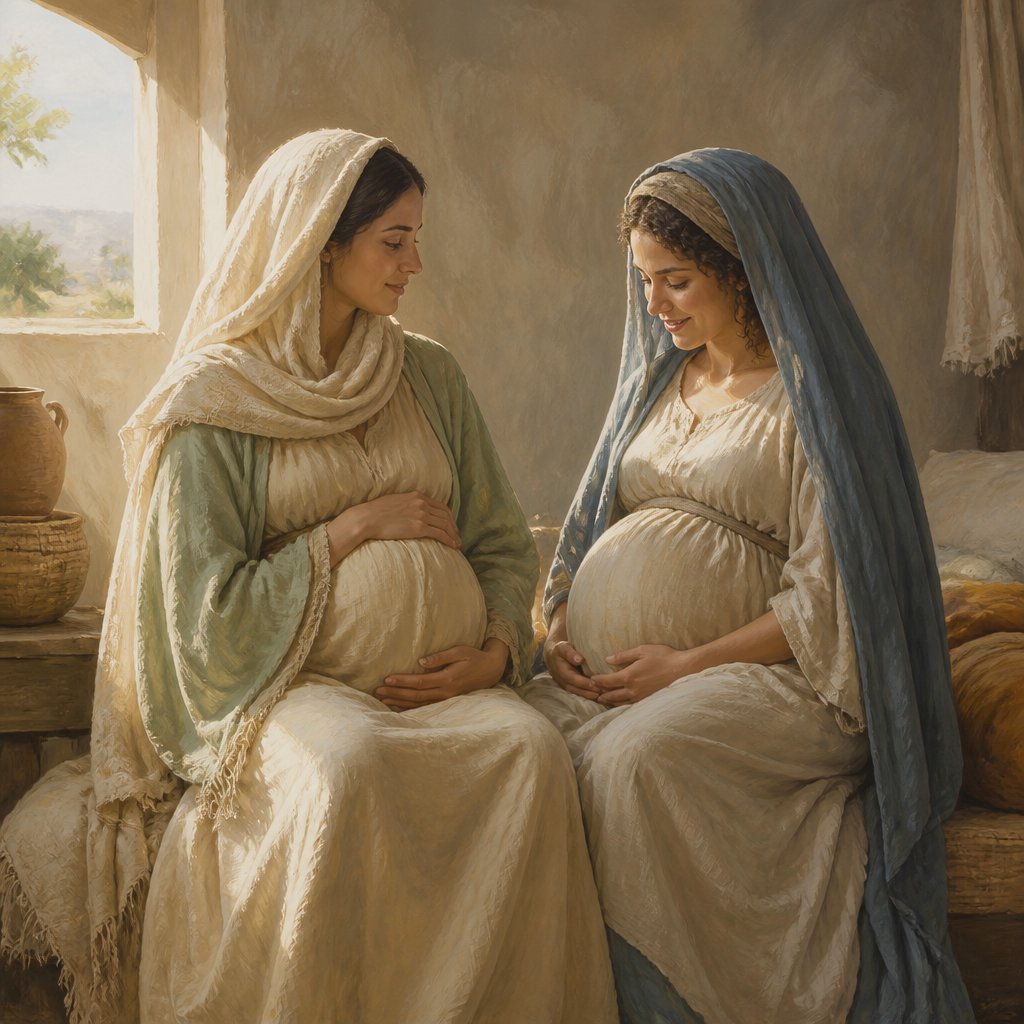
The Bible verse Job 31:15 in the King James Version states, "Did not he that made me in the womb make him? and did not one fashion us in the womb?" This verse is part of a larger chapter in the Book of Job, which is a thought-provoking exploration of the nature of suffering, the sovereignty of God, and the perseverance of faith in the face of adversity. The Book of Job is widely considered as one of the most profound and challenging books in the Bible, and this verse in particular touches on the theme of the sanctity of life and the divine role in creation.
In this verse, Job is expressing his understanding of the divine creation of all humankind. He is acknowledging that both himself and his servant have been uniquely and intricately formed by the same Creator. Job's recognition of the shared origin of human life is significant as it emphasizes the fundamental equality and worth of all individuals. This aspect of the verse reflects the idea that every person is made in the image of God and should be respected and valued as such.
The context of this verse is crucial to understanding its significance. Job, who was a righteous man, is undergoing immense suffering and turmoil. He has lost his wealth, his family, and his health, and is grappling with profound despair. In the midst of his suffering, Job is engaged in a series of dialogues with his friends, who are attempting to make sense of his afflictions through the lens of conventional wisdom and theology. Job, however, maintains his innocence and challenges the simplistic explanations offered by his friends. This verse is part of Job's defense of his character and his demand for justice and understanding from God.
The verse also carries a deep symbolic and theological weight. The reference to God as the creator of life in the womb underscores the divine authority over human existence. It speaks to the intimate involvement of God in the formation of each individual and the inherent value of life from its very beginning. This emphasis on the sanctity of life aligns with broader biblical teachings on the importance of protecting and honoring the vulnerable, including the unborn and the marginalized.
Furthermore, the verse can be seen as a reflection of the interconnectedness of humanity. Job's acknowledgment of the shared origin of himself and his servant speaks to the common humanity that unites all people, regardless of their social status or circumstances. It transcends divisions and emphasizes the inherent bond and responsibility that exist among all members of the human family.
In addition, the verse also serves as a reminder of the divine purpose and providence inherent in the creation of every individual. It points to the intentional and deliberate nature of God's creative work, highlighting the intrinsic value and purpose imbued in each person by their Creator. This perspective has profound implications for how individuals are viewed and treated, calling for a respect and reverence for the inherent dignity and worth of all human beings.
Overall, Job 31:15 in the King James Version encapsulates profound truths about the nature of human life, the role of God as the ultimate Creator and Sustainer, and the interconnectedness and value of all individuals. It offers a powerful and timeless reflection on the sanctity of life, the inherent worth of every person, and the divine purpose woven into the fabric of human existence. As such, it continues to resonate with profound significance and relevance for believers and non-believers alike, offering timeless wisdom and insight into the nature of God and the human experience.
Have questions about Job 31:15?
Dive deeper into this scripture with Bible Chat — an AI-powered tool for exploring God's Word through conversation. Ask questions, get context, and grow in your understanding of the Bible.
Get Our Apps


Job 31:15 Artwork

Job 31:15 - "Did not he that made me in the womb make him? and did not one fashion us in the womb?"
"Did not he that made me in the womb make him? and did not one fashion us in the womb?" - Job 31:15

Job 15:31 - "Let not him that is deceived trust in vanity: for vanity shall be his recompence."

Hosea 3:1-5
"Let not him that is deceived trust in vanity: for vanity shall be his recompence." - Job 15:31

Job 31:40 - "Let thistles grow instead of wheat, and cockle instead of barley. The words of Job are ended."

Job 31:31 - "If the men of my tabernacle said not, Oh that we had of his flesh! we cannot be satisfied."

Job 33:31 - "Mark well, O Job, hearken unto me: hold thy peace, and I will speak."

Job 31:11 - "For this is an heinous crime; yea, it is an iniquity to be punished by the judges."

Job 31:3 - "Is not destruction to the wicked? and a strange punishment to the workers of iniquity?"

Job 31 take an inventory of his life

Job 31:26 - "If I beheld the sun when it shined, or the moon walking in brightness;"

Job 36:31 - "For by them judgeth he the people; he giveth meat in abundance."

Job 31:32 - "The stranger did not lodge in the street: but I opened my doors to the traveller."

Job 31:4 - "Doth not he see my ways, and count all my steps?"

Job 31:38 - "If my land cry against me, or that the furrows likewise thereof complain;"

Job 38:31 - "Canst thou bind the sweet influences of Pleiades, or loose the bands of Orion?"

Job 31:5 - "If I have walked with vanity, or if my foot hath hasted to deceit;"

Job 31:12 - "For it is a fire that consumeth to destruction, and would root out all mine increase."

Joshua 15:31 - "And Ziklag, and Madmannah, and Sansannah,"

Job 31:6 - "Let me be weighed in an even balance, that God may know mine integrity."

Job 31:33 - "If I covered my transgressions as Adam, by hiding mine iniquity in my bosom:"

Job 30:31 - "My harp also is turned to mourning, and my organ into the voice of them that weep."

Job 31:17 - "Or have eaten my morsel myself alone, and the fatherless hath not eaten thereof;"

Job 31:2 - "For what portion of God is there from above? and what inheritance of the Almighty from on high?"

Job 31:36 - "Surely I would take it upon my shoulder, and bind it as a crown to me."

numbers 31:14-15

Job 31:28 - "This also were an iniquity to be punished by the judge: for I should have denied the God that is above."

Job 31:20 - "If his loins have not blessed me, and if he were not warmed with the fleece of my sheep;"

Job 31:19 - "If I have seen any perish for want of clothing, or any poor without covering;"