What does Job 30:31 mean?
"My harp also is turned to mourning, and my organ into the voice of them that weep." - Job 30:31
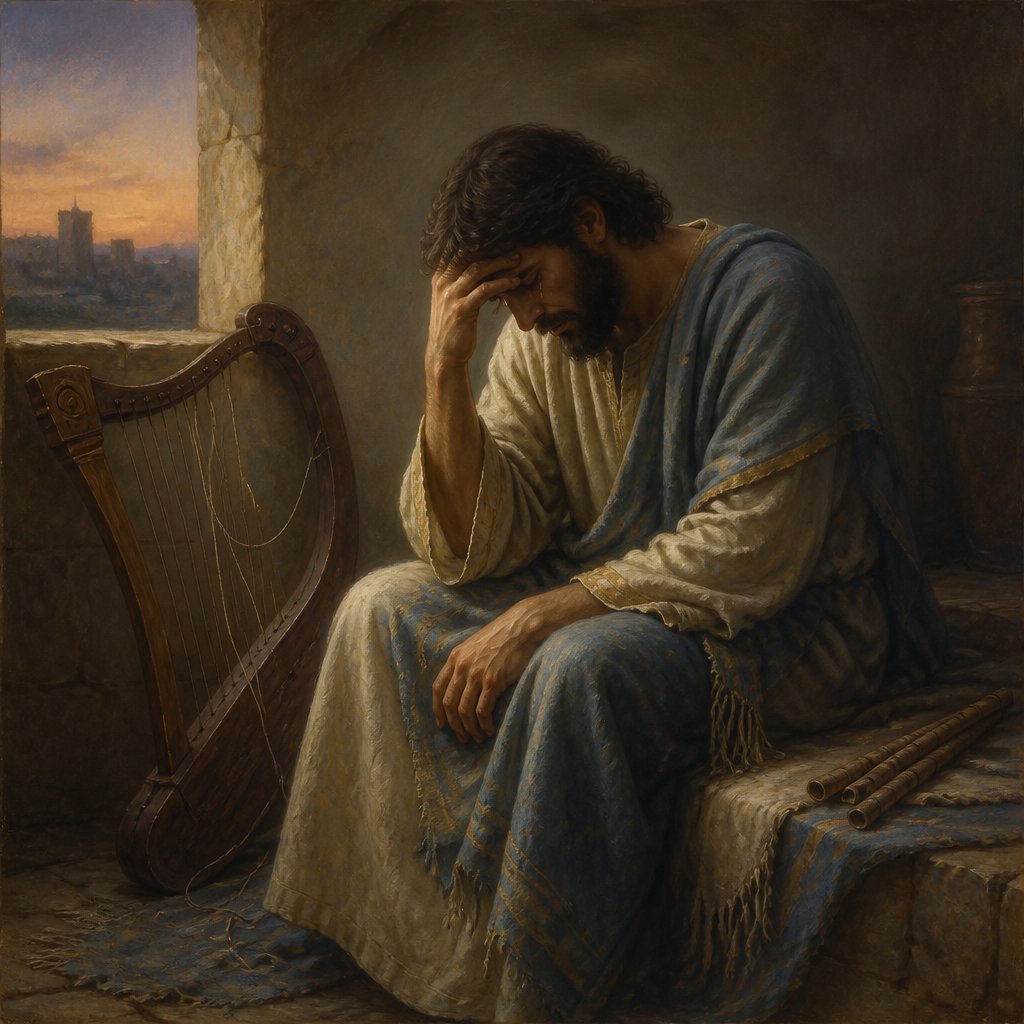
Job 30:31 (KJV) states, "My harp also is turned to mourning, and my organ into the voice of them that weep." This verse is a poignant and poetic expression of grief and lamentation, captured in the timeless language of the King James Version of the Bible. It comes from the Book of Job, which tells the story of a man who experiences immense suffering and loss, and struggles to make sense of his circumstances in the midst of his anguish.
In order to understand the full meaning and significance of this verse, it is important to consider its broader context within the Book of Job. Job was a righteous and prosperous man who faced a series of unimaginable hardships, including the loss of his wealth, the death of his children, and a debilitating illness. Despite his deep anguish and despair, Job remained faithful to God, though he questioned why such suffering had befallen him.
In Chapter 30 of the Book of Job, the protagonist expresses the depths of his despair and the extent of his suffering. He describes his current state as one of mourning and sorrow, using the powerful imagery of musical instruments being turned to symbols of lamentation. The harp, typically associated with joyful and melodious music, is now an instrument of mourning. Likewise, the organ, a symbol of celebration and praise, has been transformed into the voice of those who weep.
This transformation of musical instruments serves as a powerful metaphor for the drastic shift in Job's circumstances and emotional state. His life, once filled with harmony and joy, has now been overtaken by grief and sorrow. The use of music as a metaphor underscores the depth of Job's pain and the overwhelming nature of his suffering.
The profound sorrow expressed in this verse also speaks to the broader themes of human suffering and the search for meaning in the face of adversity. Job's lamentation is a universal expression of the anguish experienced by those who endure hardship and loss. It reflects the deep sense of despair that can accompany profound suffering, as well as the human need to articulate and process emotions in times of trial.
Furthermore, the imagery of mourning and weeping in this verse serves as a reminder of the transient and fragile nature of human happiness and well-being. It underscores the fragility of human life and the inevitability of suffering, despite one's best efforts to avoid or mitigate it. This somber reflection on the fleeting nature of joy and the certainty of pain is a central theme in the Book of Job, as it grapples with the age-old question of why the righteous suffer.
In addition to its thematic significance, the verse also carries symbolic and spiritual meaning. The transformation of musical instruments from sources of joy to emblems of sorrow symbolizes the destructive power of suffering and the disruption of harmony in life. It underscores the discord and dissonance that arises when pain and grief infiltrate the human experience, highlighting the tension between happiness and suffering in the human condition.
Ultimately, Job 30:31 (KJV) offers a poignant and evocative portrayal of the profound sorrow and lamentation experienced by the biblical figure of Job. It captures the universal experience of human suffering and speaks to the enduring search for meaning and understanding in the face of adversity. Through its poignant imagery and emotional resonance, this verse continues to resonate with readers, offering solace and insight into the complexities of the human experience.
Have questions about Job 30:31?
Dive deeper into this scripture with Bible Chat — an AI-powered tool for exploring God's Word through conversation. Ask questions, get context, and grow in your understanding of the Bible.
Get Our Apps


Job 30:31 Artwork

Job 30:31 - "My harp also is turned to mourning, and my organ into the voice of them that weep."
"My harp also is turned to mourning, and my organ into the voice of them that weep." - Job 30:31

Job 31:30 - "Neither have I suffered my mouth to sin by wishing a curse to his soul."

"Neither have I suffered my mouth to sin by wishing a curse to his soul." - Job 31:30

Job 30:30 - "My skin is black upon me, and my bones are burned with heat."

Matthew 24:30-31

Matthew 24:30-31

Matthew 24:30-31

Matthew 24:30-31

Matthew 24:30-31

Matthew 24:30-31

Matthew 24:30-31

Job 30:28

Job 30:28

Job 30:28

Matthew 24:30-31

Matthew 24:30-31

Matthew 24:30-31

John 20:30-31

Job 30:28

Job 30:28

Job 31:40 - "Let thistles grow instead of wheat, and cockle instead of barley. The words of Job are ended."

Job 31:31 - "If the men of my tabernacle said not, Oh that we had of his flesh! we cannot be satisfied."

Job 33:31 - "Mark well, O Job, hearken unto me: hold thy peace, and I will speak."

1 Kings 11:30-31

1 Kings 11:30-31

1 Kings 11:30-31

Job 31:11 - "For this is an heinous crime; yea, it is an iniquity to be punished by the judges."

Job 31:3 - "Is not destruction to the wicked? and a strange punishment to the workers of iniquity?"

Job 34:30 - "That the hypocrite reign not, lest the people be ensnared."