What does Job 29:17 mean?
"And I brake the jaws of the wicked, and plucked the spoil out of his teeth." - Job 29:17
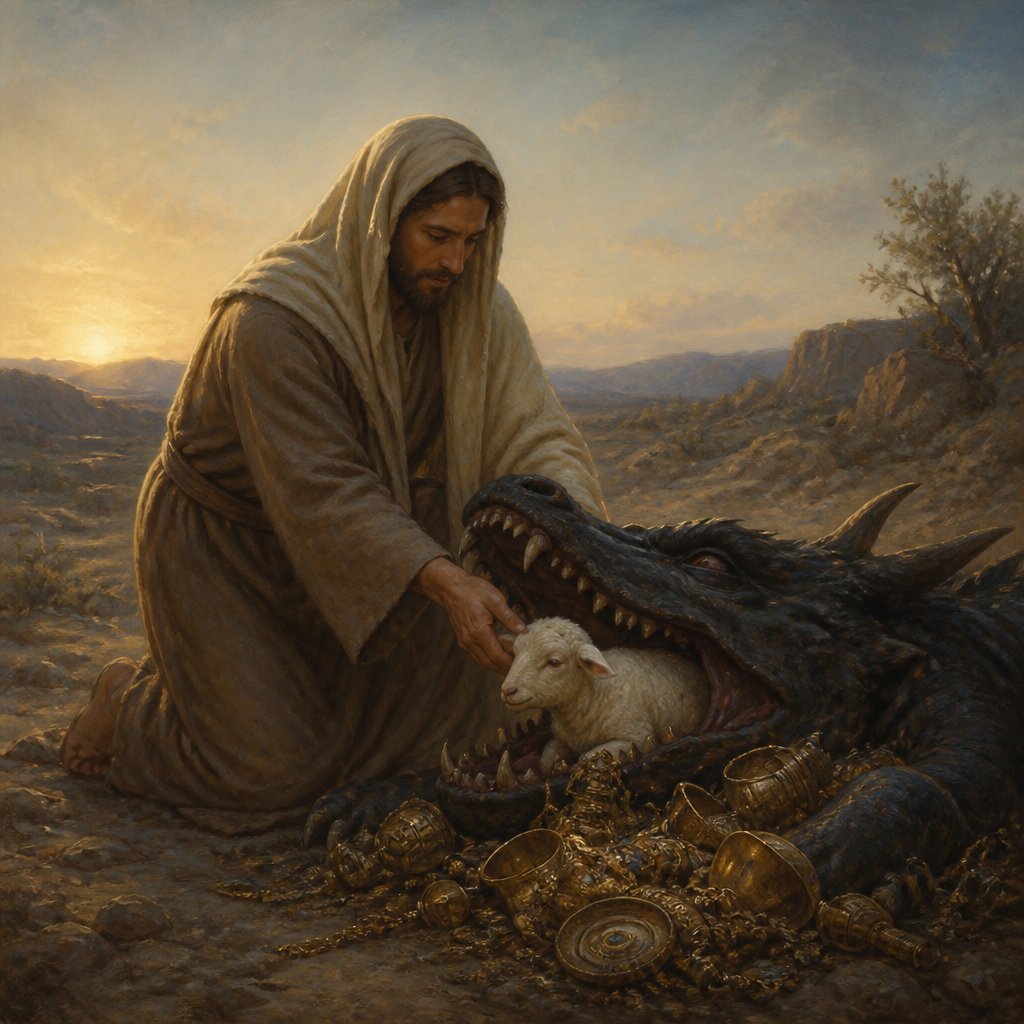
Job 29:17 in the King James Version reads: "And I brake the jaws of the wicked, and plucked the spoil out of his teeth." This verse comes from the book of Job, which is the story of a righteous man who faces extreme suffering and adversity. In this particular passage, Job is reflecting on the way he used to be able to help those who were suffering and oppressed. The verse uses vivid and powerful imagery to convey the strength and courage Job once had to confront and overcome evil.
The theme of justice and the power of righteousness are central to this verse. The imagery of breaking the jaws of the wicked and taking spoil from their teeth is a metaphor for standing up to and defeating those who seek to oppress or harm others. It demonstrates the strength and bravery of Job, and also serves as a reminder of the power of goodness and righteousness in the face of evil.
The context of this verse is important in understanding its significance. Job, once a wealthy and respected man, has lost everything he had - his wealth, his children, and his health. Despite his suffering, he maintains his faith and integrity, refusing to curse God despite the urging of his wife and friends. He reflects on the way he used to be able to help those in need, and longs for the days when he was able to bring justice and relief to the oppressed.
The imagery of breaking the jaws of the wicked and taking spoil from their teeth is a powerful and dramatic way to describe the actions Job took to help those who were suffering. It conveys a sense of strength and fearlessness, as well as a determination to confront and overcome evil. This verse serves as a reminder of the importance of standing up for what is right, even in the face of adversity, and the power of righteousness to defeat wickedness.
Symbolism also plays a significant role in understanding the meaning of this verse. The "jaws of the wicked" symbolize the oppressive and harmful actions of those who seek to do evil, while the "spoil" in their teeth represents the ill-gotten gains and fruits of their wrongdoing. By breaking the jaws of the wicked and taking the spoil from their teeth, Job is not only stopping their harmful actions, but also reclaiming what is rightfully due to those who have been wronged.
In a broader sense, this verse can also be seen as a metaphor for the struggle between good and evil, and the ultimate triumph of righteousness over wickedness. It serves as a reminder that while the forces of evil may seem strong and imposing, they can ultimately be overcome by the power of goodness and justice.
In conclusion, Job 29:17 in the King James Version is a powerful and evocative verse that speaks to the themes of justice, righteousness, and the power of standing up to evil. It is a reminder of the strength and bravery of those who fight for what is right, and the ultimate triumph of goodness over wickedness. The vivid imagery and symbolism used in this verse serve to convey a message of hope and resilience in the face of adversity, and a reminder of the enduring power of righteousness.
Have questions about Job 29:17?
Dive deeper into this scripture with Bible Chat — an AI-powered tool for exploring God's Word through conversation. Ask questions, get context, and grow in your understanding of the Bible.
Get Our Apps


Job 29:17 Artwork

Job 29:17 - "And I brake the jaws of the wicked, and plucked the spoil out of his teeth."
"And I brake the jaws of the wicked, and plucked the spoil out of his teeth." - Job 29:17

Job 29:1 - "Moreover Job continued his parable, and said,"

"Moreover Job continued his parable, and said," - Job 29:1

Job 42:17 - "So Job died, being old and full of days."

Job 9:29 - "If I be wicked, why then labour I in vain?"

Job 29:15 - "I was eyes to the blind, and feet was I to the lame."

Job 30:29 - "I am a brother to dragons, and a companion to owls."

Job 29:9 - "The princes refrained talking, and laid their hand on their mouth."

Job 41:29 - "Darts are counted as stubble: he laugheth at the shaking of a spear."

Job 33:29 - "Lo, all these things worketh God oftentimes with man,"

Job 29:10 - "The nobles held their peace, and their tongue cleaved to the roof of their mouth."

Job 29:23 - "And they waited for me as for the rain; and they opened their mouth wide as for the latter rain."

Job 29:14 - "I put on righteousness, and it clothed me: my judgment was as a robe and a diadem."

Job 36:29 - "Also can any understand the spreadings of the clouds, or the noise of his tabernacle?"

Job 29:20 - "My glory was fresh in me, and my bow was renewed in my hand."

Job 29:24 - "If I laughed on them, they believed it not; and the light of my countenance they cast not down."

Job 29:4 - "As I was in the days of my youth, when the secret of God was upon my tabernacle;"

Job 29:5 - "When the Almighty was yet with me, when my children were about me;"

Job 21:29 - "Have ye not asked them that go by the way? and do ye not know their tokens,"

Job 29:8 - "The young men saw me, and hid themselves: and the aged arose, and stood up."

Job 29:16 - "I was a father to the poor: and the cause which I knew not I searched out."

Job 20:29 - "This is the portion of a wicked man from God, and the heritage appointed unto him by God."

Job 29:21 - "Unto me men gave ear, and waited, and kept silence at my counsel."

Job 29:2 - "Oh that I were as in months past, as in the days when God preserved me;"

Job 39:29 - "From thence she seeketh the prey, and her eyes behold afar off."

Job 29:22 - "After my words they spake not again; and my speech dropped upon them."

Job 29:13 - "The blessing of him that was ready to perish came upon me: and I caused the widow's heart to sing for joy."

Exodus 13:17-14:29

Job 38:29 - "Out of whose womb came the ice? and the hoary frost of heaven, who hath gendered it?"