What does Job 28:20 mean?
"Whence then cometh wisdom? and where is the place of understanding?" - Job 28:20
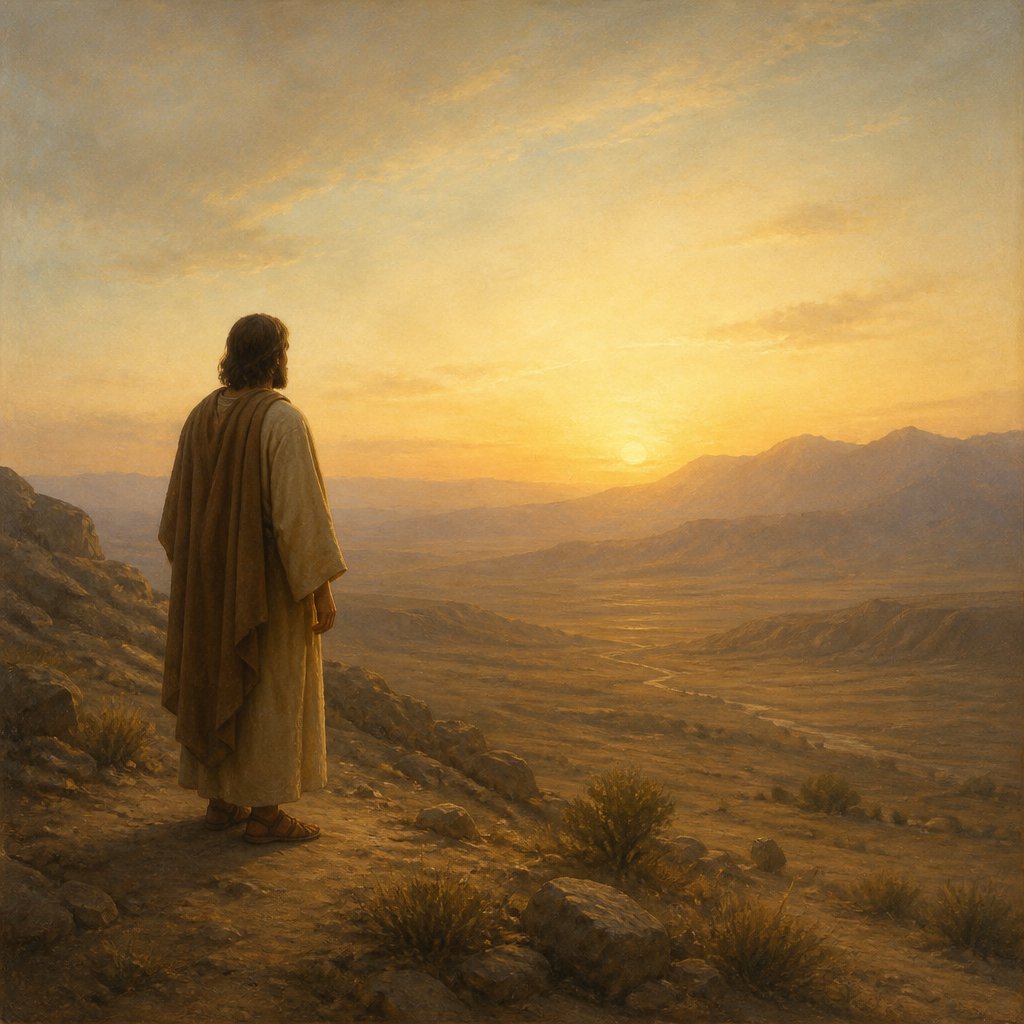
Job 28:20 (KJV) says, "Whence then cometh wisdom? and where is the place of understanding?"
This verse is a part of Job's response to his friends as he grapples with the suffering and questioning of God's justice in the face of his own despair. In this particular passage, Job is contemplating the value of wisdom and understanding. He questions where wisdom comes from and where understanding is to be found. This leads the reader to a deeper understanding of the value and significance of wisdom and understanding in the face of suffering and despair.
In the book of Job, the main character is faced with a series of tragic events that shatter his once prosperous life. He loses his wealth, his health, and even his children. In the throes of his suffering, Job questions God, seeking a reason for his pain and a way out of his despair. His friends, in response, offer him pat answers and judgments, accusing him of sin and implying that he must have done something to deserve his suffering. However, Job rejects their simplistic explanations and protests his innocence, seeking answers from God himself. This verse is a reflection of Job's deep contemplation and despair, as he grapples with the enigma of wisdom and understanding.
The theme of wisdom and understanding is central to the book of Job and has deep theological significance. Job's question "Whence then cometh wisdom? and where is the place of understanding?" reflects the universal human quest for meaning and purpose in the face of suffering and despair. It raises the question of where wisdom comes from and how it can be obtained. This theme resonates with readers across time and cultures as they wrestle with the same existential questions.
The context of this verse is important to understanding its significance. In the larger context of the book of Job, the verse comes after Job's meditation on the value of wisdom, comparing it to precious commodities such as gold, silver, and precious stones. Job is making the point that wisdom is more valuable than any material wealth, and yet it is elusive and difficult to obtain. This reflection on the value of wisdom serves as a backdrop for Job's question about the source and location of wisdom and understanding.
The symbolism in this verse lies in the way Job equates wisdom with precious commodities such as gold and silver. This imagery conveys the idea that wisdom is more valuable than material wealth, emphasizing its significance in the face of suffering and despair. Additionally, the question "where is the place of understanding?" can be understood as a metaphor for the seeker's quest for meaning and purpose in life. The verse invites the reader to reflect on the nature of wisdom and understanding and their elusive yet essential qualities.
In conclusion, Job 28:20 (KJV) is a profound meditation on the value and significance of wisdom and understanding in the face of suffering and despair. The verse raises universal questions about the quest for meaning and purpose, and it invites readers to contemplate the source and location of wisdom. The imagery and symbolism in the verse add depth to its meaning, reinforcing the idea that wisdom is more valuable than material wealth and essential for navigating the challenges of life. This verse is a timeless reflection on the human condition and the universal quest for wisdom and understanding.
Have questions about Job 28:20?
Dive deeper into this scripture with Bible Chat — an AI-powered tool for exploring God's Word through conversation. Ask questions, get context, and grow in your understanding of the Bible.
Get Our Apps


Job 28:20 Artwork

Job 28:20 - "Whence then cometh wisdom? and where is the place of understanding?"

"Whence then cometh wisdom? and where is the place of understanding?" - Job 28:20
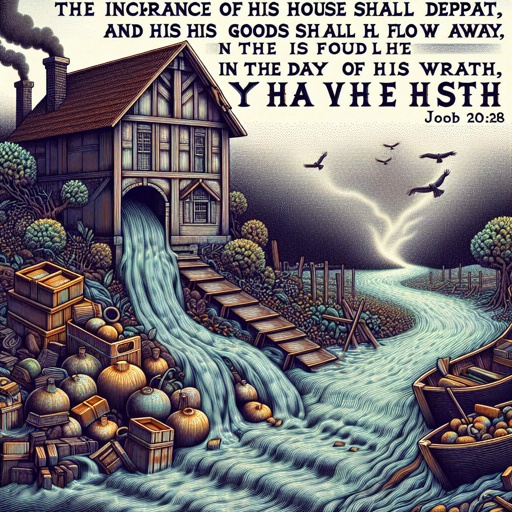
Job 20:28 - "The increase of his house shall depart, and his goods shall flow away in the day of his wrath."
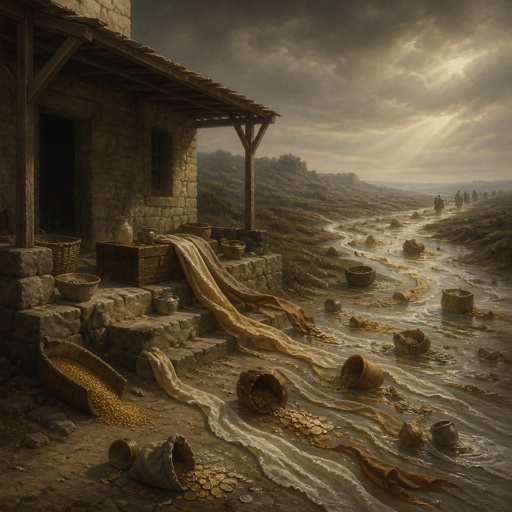
"The increase of his house shall depart, and his goods shall flow away in the day of his wrath." - Job 20:28

Job 28:3

Job 30:28

Job 30:28

Job 30:28

Job 30:28

Job 28:3

Job 28:3

Job 30:28

Job 28:28 - "And unto man he said, Behold, the fear of the Lord, that is wisdom; and to depart from evil is understanding."

Genesis 28-20

Luke 20:28

Job 1:20

Job 1:20

Job 28:14 - "The depth saith, It is not in me: and the sea saith, It is not with me."

Job 28:6 - "The stones of it are the place of sapphires: and it hath dust of gold."

Job 28:1 - "Surely there is a vein for the silver, and a place for gold where they fine it."

Job 28:16 - "It cannot be valued with the gold of Ophir, with the precious onyx, or the sapphire."

Job 28:12 - "But where shall wisdom be found? and where is the place of understanding?"

Job 3:20-21 - "Job 3:20-21: Why is light given to those in misery, and life to the bitter of soul, to those who long for death that does not come, who search for it more than for hidden treasure?"

Job 28:25 - "To make the weight for the winds; and he weigheth the waters by measure."

Job 13:28 - "And he, as a rotten thing, consumeth, as a garment that is moth eaten."

Job 28:8 - "The lion's whelps have not trodden it, nor the fierce lion passed by it."

Job 28:2 - "Iron is taken out of the earth, and brass is molten out of the stone."

Job 38:28 - "Hath the rain a father? or who hath begotten the drops of dew?"

Job 28:7 draw a hidden path

2 Chronicles 20:28