What does Job 27:15 mean?
"Those that remain of him shall be buried in death: and his widows shall not weep." - Job 27:15
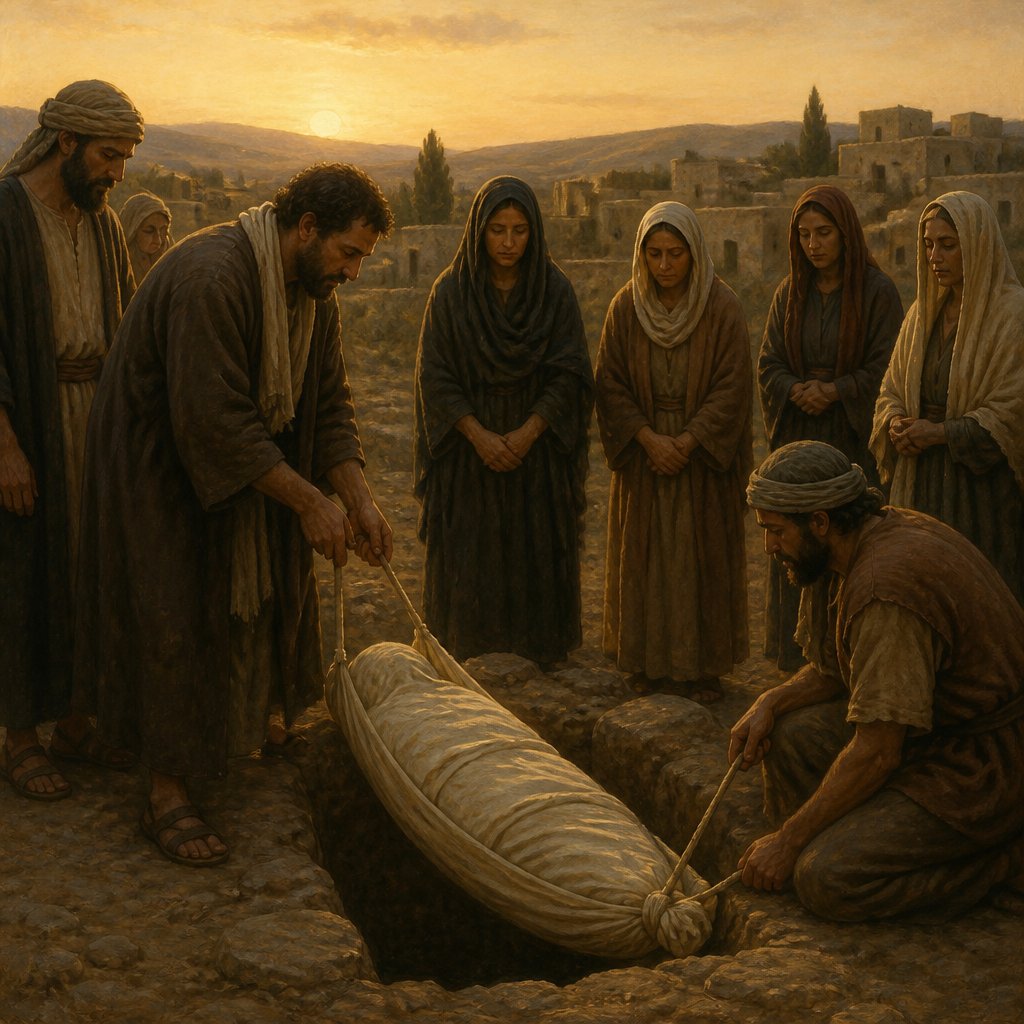
Job 27:15 in the King James Version reads: "Those that remain of him shall be buried in death: and his widows shall not weep."
In order to understand the meaning and commentary of this verse, it is important to look at the context in which it is situated. The book of Job is a poetic exploration of theodicy, or the problem of why bad things happen to good people. The protagonist, Job, is a righteous man who experiences immense suffering, including the loss of his wealth, his children, and his health. Throughout the book, Job wrestles with the question of why he is experiencing such hardship despite his righteousness.
In the passage leading up to Job 27:15, Job has been asserting his innocence and righteousness in the face of his friends' accusations. He describes the fate of the wicked, proclaiming that they will not have a prosperous future and that they will ultimately face judgment from God. This verse is a continuation of Job's declaration of the fate of the wicked, specifically focusing on their descendants and widows.
The verse contains several themes that are worth exploring. Firstly, it speaks to the idea of consequences and the legacy of the wicked. Job asserts that those who remain of the wicked will ultimately face death and burial, suggesting that their lives will not be prosperous or remembered favorably. This reflects the idea of divine justice and retribution, with the implication that the wicked will not escape the consequences of their actions.
Additionally, the mention of the widows not weeping speaks to the emotional and relational impact of the wicked's fate. In ancient times, widows were particularly vulnerable members of society, often left without means of support. The fact that the widows of the wicked are not depicted as mourning suggests that the wicked have failed in their familial and societal responsibilities, leaving their surviving family members to suffer the consequences of their actions. This adds another layer to the theme of consequences, highlighting the ripple effects of the wicked's actions on those around them.
Symbolism is also present in this verse, particularly in the imagery of burial and weeping. Burial is a profound and universal symbol of mortality and the end of life, underscoring the finality of the fate of the wicked. The absence of weeping from the widows further emphasizes the desolation and lack of compassion that will surround the wicked in their final days. These symbols serve to reinforce the idea of the ultimate and inescapable nature of divine justice.
In summary, Job 27:15 is a verse that reflects the themes of consequences, justice, and the impact of the wicked's actions on those around them. It serves as a continuation of Job's assertions of his innocence and the ultimate fate of the wicked, framing these ideas within the context of familial and societal relationships. The verse employs powerful symbols to convey the inescapable nature of divine justice and the enduring consequences of human actions.
Have questions about Job 27:15?
Dive deeper into this scripture with Bible Chat — an AI-powered tool for exploring God's Word through conversation. Ask questions, get context, and grow in your understanding of the Bible.
Get Our Apps


Job 27:15 Artwork

Job 27:15 - "Those that remain of him shall be buried in death: and his widows shall not weep."
"Those that remain of him shall be buried in death: and his widows shall not weep." - Job 27:15

Job 15:27 - "Because he covereth his face with his fatness, and maketh collops of fat on his flanks."

Job 27:1 - "Moreover Job continued his parable, and said,"
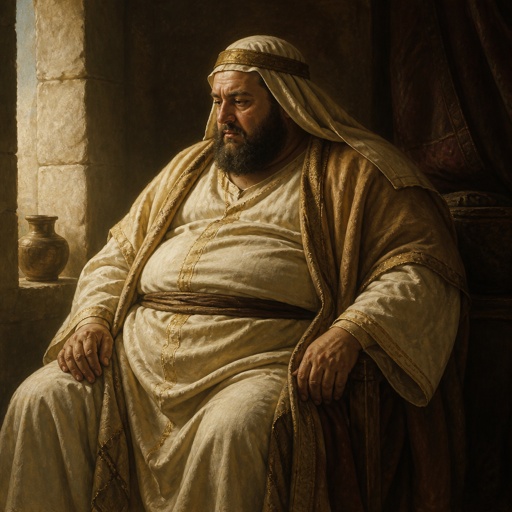
"Because he covereth his face with his fatness, and maketh collops of fat on his flanks." - Job 15:27

Job 27:6

"Moreover Job continued his parable, and said," - Job 27:1

Job 41:27 - "He esteemeth iron as straw, and brass as rotten wood."

Job 30:27 - "My bowels boiled, and rested not: the days of affliction prevented me."

Job 6:27 - "Yea, ye overwhelm the fatherless, and ye dig a pit for your friend."

Job 27:11 - "I will teach you by the hand of God: that which is with the Almighty will I not conceal."

Job 27:3 - "All the while my breath is in me, and the spirit of God is in my nostrils;"

Job 27:18 - "He buildeth his house as a moth, and as a booth that the keeper maketh."

Job 27:7 - "Let mine enemy be as the wicked, and he that riseth up against me as the unrighteous."

Job 27:20 - "Terrors take hold on him as waters, a tempest stealeth him away in the night."

Job 27:17 - "He may prepare it, but the just shall put it on, and the innocent shall divide the silver."

Job 27:10 - "Will he delight himself in the Almighty? will he always call upon God?"

Job 27:9 - "Will God hear his cry when trouble cometh upon him?"

Job 27:14 - "If his children be multiplied, it is for the sword: and his offspring shall not be satisfied with bread."

Job 27:16 - "Though he heap up silver as the dust, and prepare raiment as the clay;"

Job 28:27 - "Then did he see it, and declare it; he prepared it, yea, and searched it out."

Job 15:15 - "Behold, he putteth no trust in his saints; yea, the heavens are not clean in his sight."

Job 27:12 - "Behold, all ye yourselves have seen it; why then are ye thus altogether vain?"

Job 20:27 - "The heaven shall reveal his iniquity; and the earth shall rise up against him."

Job 27:23 - "Men shall clap their hands at him, and shall hiss him out of his place."

Job 15:1 - "Then answered Eliphaz the Temanite, and said,"

Job 39:27 - "Doth the eagle mount up at thy command, and make her nest on high?"

Job 5:27 - "Lo this, we have searched it, so it is; hear it, and know thou it for thy good."

Job 27:4 - "My lips shall not speak wickedness, nor my tongue utter deceit."

Job 34:27 - "Because they turned back from him, and would not consider any of his ways:"