What does Job 22:29 mean?
"When men are cast down, then thou shalt say, There is lifting up; and he shall save the humble person." - Job 22:29
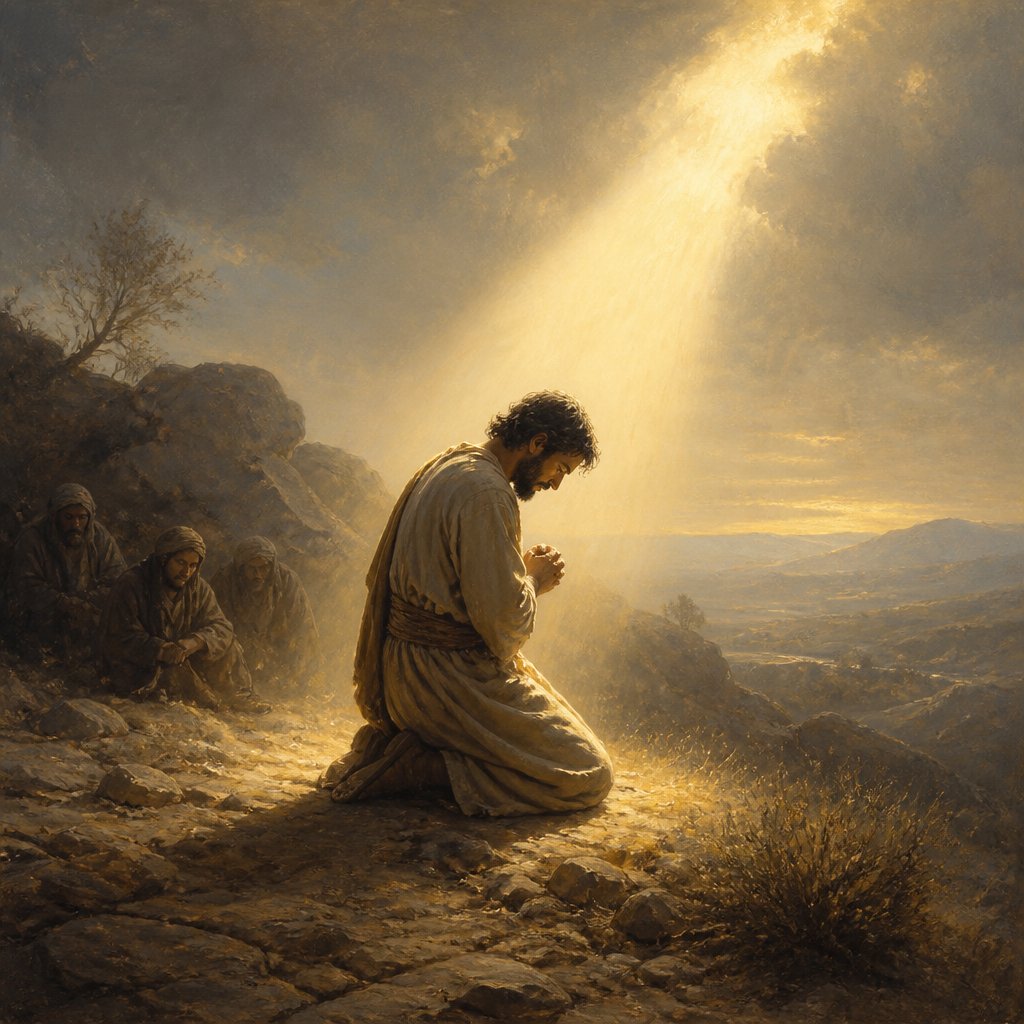
Job 22:29 in the King James Version (KJV) of the Bible reads: "When men are cast down, then thou shalt say, There is lifting up; and he shall save the humble person." This verse is part of a speech delivered by Job's friend Eliphaz, who, along with two other friends, came to comfort and counsel Job as he endured significant suffering and loss.
The book of Job is one of the most challenging and thought-provoking books in the Bible. It explores the age-old questions of why bad things happen to good people and the nature of suffering. In Job 22, Eliphaz is reprimanding Job, accusing him of not being righteous and deserving the suffering he is enduring. However, this specific verse stands out as a message of hope in the midst of despair.
The verse begins with the phrase, "When men are cast down." This can be understood as a reference to times of hardship and distress, when people are brought low by various trials and tribulations. It acknowledges the realities of suffering and challenges that individuals face in their lives.
The second part of the verse presents a message of encouragement and hope: "then thou shalt say, There is lifting up." This is a reminder that even in the midst of despair, there is hope for restoration and renewal. It emphasizes the importance of speaking words of encouragement and faith during difficult times. It also suggests a call to action for those witnessing the suffering of others – to speak words of hope and support.
The final part of the verse states, "and he shall save the humble person." This alludes to God's role in delivering and rescuing those who are humble and seek his help. It reinforces the idea that God is a source of strength and salvation for those who approach him with humility and faith.
The broader context of the book of Job provides deeper insight into the significance of this verse. Job, a righteous and blameless man, is tested by God through a series of severe trials. His friends, including Eliphaz, come to comfort him, but they end up engaging in a series of philosophical debates about the nature of suffering and the reasons behind it.
Eliphaz's speech, which contains the verse in question, reflects the traditional wisdom of the time – that suffering is a result of sin and that righteous people will ultimately be rewarded. However, this view is challenged and ultimately overturned in the later part of the book, when God himself intervenes and sets the record straight.
In the larger scope of the Bible, this verse echoes the theme of God's faithfulness and provision in challenging times. It is reminiscent of verses such as Psalm 34:18, which states, "The Lord is close to the brokenhearted and saves those who are crushed in spirit." It serves as a reminder that God is present and active in the midst of suffering, offering hope and salvation to those who turn to him.
Symbolically, the verse can be seen as a representation of the transformative power of faith and the importance of speaking words of hope and encouragement. It also highlights the contrast between human understanding and God's ultimate wisdom, as demonstrated throughout the book of Job.
In conclusion, Job 22:29 in the King James Version of the Bible offers a message of hope and encouragement in the face of suffering. It reminds readers of the steadfastness of God's love and his ability to lift up those who are cast down. It also serves as a call to action for believers to speak words of hope and support to those in need. Ultimately, it is a testament to the enduring relevance and power of the biblical message in addressing the complexities of human suffering and faith.
Have questions about Job 22:29?
Dive deeper into this scripture with Bible Chat — an AI-powered tool for exploring God's Word through conversation. Ask questions, get context, and grow in your understanding of the Bible.
Get Our Apps


Job 22:29 Artwork

Job 22:29 - "When men are cast down, then thou shalt say, There is lifting up; and he shall save the humble person."
"When men are cast down, then thou shalt say, There is lifting up; and he shall save the humble person." - Job 22:29

Job 29:22 - "After my words they spake not again; and my speech dropped upon them."
"After my words they spake not again; and my speech dropped upon them." - Job 29:22

Job 29:1 - "Moreover Job continued his parable, and said,"

Jonah 2:2-9 Jonah praying in the belly of the fish.

Job 1:22 - "In all this Job sinned not, nor charged God foolishly."

"Moreover Job continued his parable, and said," - Job 29:1

Job 9:29 - "If I be wicked, why then labour I in vain?"

Job 29:15 - "I was eyes to the blind, and feet was I to the lame."

Job 30:29 - "I am a brother to dragons, and a companion to owls."

Job 29:9 - "The princes refrained talking, and laid their hand on their mouth."

Job 41:29 - "Darts are counted as stubble: he laugheth at the shaking of a spear."

Job 29:10 - "The nobles held their peace, and their tongue cleaved to the roof of their mouth."

Job 33:29 - "Lo, all these things worketh God oftentimes with man,"

Job 29:23 - "And they waited for me as for the rain; and they opened their mouth wide as for the latter rain."

Job 29:14 - "I put on righteousness, and it clothed me: my judgment was as a robe and a diadem."

Job 36:29 - "Also can any understand the spreadings of the clouds, or the noise of his tabernacle?"

Job 29:20 - "My glory was fresh in me, and my bow was renewed in my hand."

Job 29:24 - "If I laughed on them, they believed it not; and the light of my countenance they cast not down."

Job 29:17 - "And I brake the jaws of the wicked, and plucked the spoil out of his teeth."

Job 22:1 - "Then Eliphaz the Temanite answered and said,"

Job 29:4 - "As I was in the days of my youth, when the secret of God was upon my tabernacle;"

Job 29:5 - "When the Almighty was yet with me, when my children were about me;"

Job 21:29 - "Have ye not asked them that go by the way? and do ye not know their tokens,"

Job 29:8 - "The young men saw me, and hid themselves: and the aged arose, and stood up."

Job 20:29 - "This is the portion of a wicked man from God, and the heritage appointed unto him by God."

Job 29:16 - "I was a father to the poor: and the cause which I knew not I searched out."

Job 39:29 - "From thence she seeketh the prey, and her eyes behold afar off."

Job 29:2 - "Oh that I were as in months past, as in the days when God preserved me;"