What does Job 22:15 mean?
"Hast thou marked the old way which wicked men have trodden?" - Job 22:15
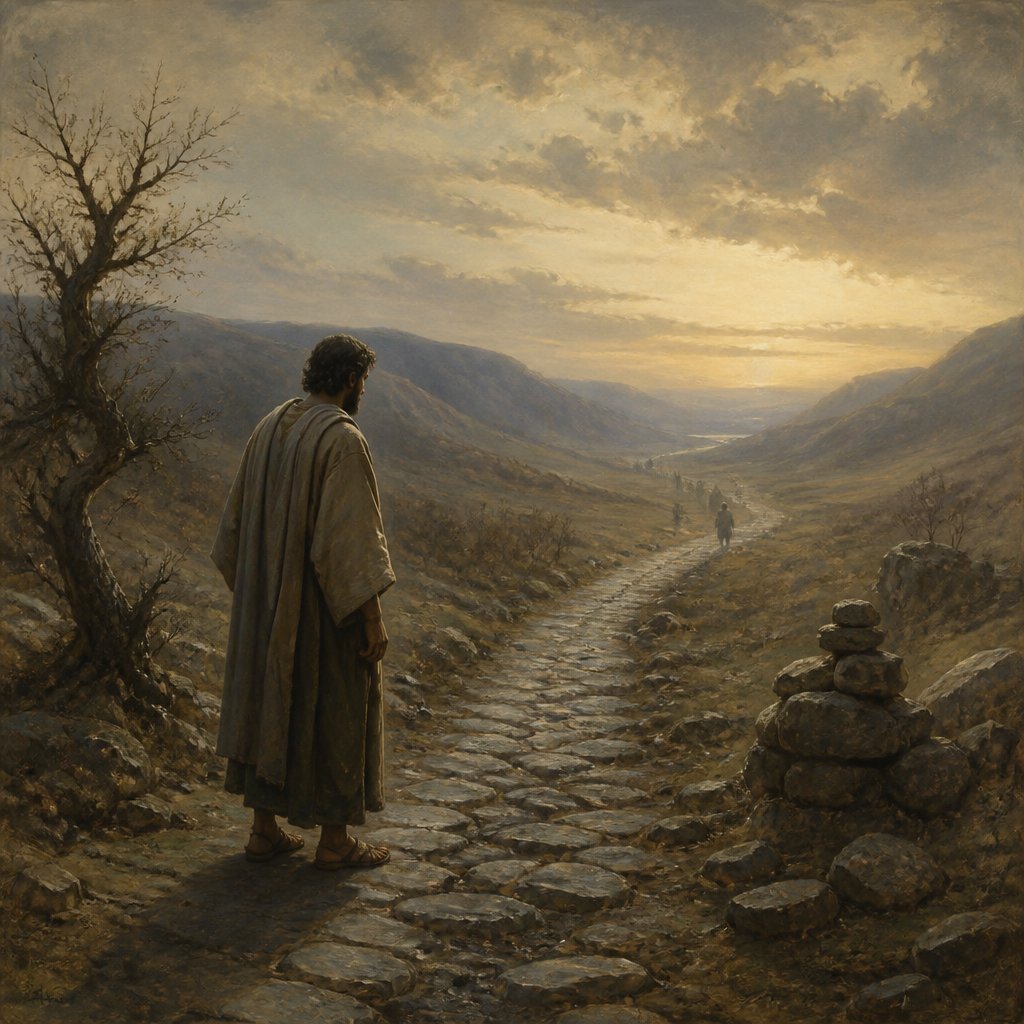
Job 22:15 (KJV): "Hast thou marked the old way which wicked men have trodden?"
The book of Job is known for its exploration of the problem of innocent suffering. The central character, Job, is a righteous man who faces numerous hardships and tragedies. He questions why such terrible things have happened to him, despite his faith and devotion to God. Job's friends offer different interpretations of his suffering, and this verse comes from one of their speeches.
In this particular verse, Job's friend Eliphaz is addressing Job, asking him if he has observed the path that wicked men have taken before. Eliphaz is essentially suggesting that Job's suffering may be a result of his own wickedness and sin. This verse is part of Eliphaz's attempt to challenge Job's perspective and encourage him to examine his own actions and choices.
The themes present in this verse are those of suffering, judgment, and the ways of the wicked. It raises questions about human behavior, morality, and the consequences of one's actions. The verse also touches upon the idea of divine retribution and the belief that suffering is a result of wickedness.
The verse is situated within the context of a larger conversation between Job and his friends, who are trying to make sense of Job's suffering. It is important to note that the book of Job does not present Eliphaz's perspective as the ultimate truth. Rather, the various speeches and exchanges in the book serve to provoke thought and reflection on the nature of suffering and the ways in which humans grapple with adversity.
Symbolically, the "old way which wicked men have trodden" can be seen as a metaphor for the paths of sin and wrongdoing that people often follow. It represents the choices that lead individuals away from righteousness and into the darkness of wickedness. In this sense, the verse serves as a warning against straying from the virtuous path and indulging in immoral behavior.
Furthermore, the verse can be interpreted as a call to self-examination and introspection. It encourages individuals to consider the consequences of their actions and the potential impact on their lives and the lives of others. It reminds readers to be mindful of the choices they make and the paths they choose to follow.
Ultimately, Job 22:15 raises profound philosophical and ethical questions about the nature of suffering, the existence of evil, and the complexities of human experience. It challenges readers to contemplate the complexities of morality and the ways in which suffering can be understood and interpreted. The verse serves as a reminder to consider the broader implications of one's choices and to seek wisdom and understanding in the face of adversity.
Have questions about Job 22:15?
Dive deeper into this scripture with Bible Chat — an AI-powered tool for exploring God's Word through conversation. Ask questions, get context, and grow in your understanding of the Bible.
Get Our Apps


Job 22:15 Artwork

Job 22:15 - "Hast thou marked the old way which wicked men have trodden?"

"Hast thou marked the old way which wicked men have trodden?" - Job 22:15

Job 15:22 - "He believeth not that he shall return out of darkness, and he is waited for of the sword."

"He believeth not that he shall return out of darkness, and he is waited for of the sword." - Job 15:22

Job 1:22 - "In all this Job sinned not, nor charged God foolishly."

Job 22:1 - "Then Eliphaz the Temanite answered and said,"

Job 22:22 - "Receive, I pray thee, the law from his mouth, and lay up his words in thine heart."

"In all this Job sinned not, nor charged God foolishly." - Job 1:22

Job 15:15 - "Behold, he putteth no trust in his saints; yea, the heavens are not clean in his sight."

Job 22:5 - "Is not thy wickedness great? and thine iniquities infinite?"

Job 15:1 - "Then answered Eliphaz the Temanite, and said,"

Job 22:19 - "The righteous see it, and are glad: and the innocent laugh them to scorn."

Job 41:22 - "In his neck remaineth strength, and sorrow is turned into joy before him."

Job 42:15 - "And in all the land were no women found so fair as the daughters of Job: and their father gave them inheritance among their brethren."

Job 22:11 - "Or darkness, that thou canst not see; and abundance of waters cover thee."

Job 37:22 - "Fair weather cometh out of the north: with God is terrible majesty."

Job 22:8 - "But as for the mighty man, he had the earth; and the honourable man dwelt in it."

Job 22:12 - "Is not God in the height of heaven? and behold the height of the stars, how high they are!"

Job 3:22 - "Which rejoice exceedingly, and are glad, when they can find the grave?"

Genesis 22:15

Exodus 15:22

Job 22:30 - "He shall deliver the island of the innocent: and it is delivered by the pureness of thine hands."

Job 19:22 - "Why do ye persecute me as God, and are not satisfied with my flesh?"

Job 22:4 - "Will he reprove thee for fear of thee? will he enter with thee into judgment?"

Job 22:20 - "Whereas our substance is not cut down, but the remnant of them the fire consumeth."

Job 9:22 - "This is one thing, therefore I said it, He destroyeth the perfect and the wicked."

Job 29:15 - "I was eyes to the blind, and feet was I to the lame."

"Then Eliphaz the Temanite answered and said," - Job 22:1

Job 22:10 - "Therefore snares are round about thee, and sudden fear troubleth thee;"

Job 36:22 - "Behold, God exalteth by his power: who teacheth like him?"