What does Job 21:7 mean?
"Wherefore do the wicked live, become old, yea, are mighty in power?" - Job 21:7
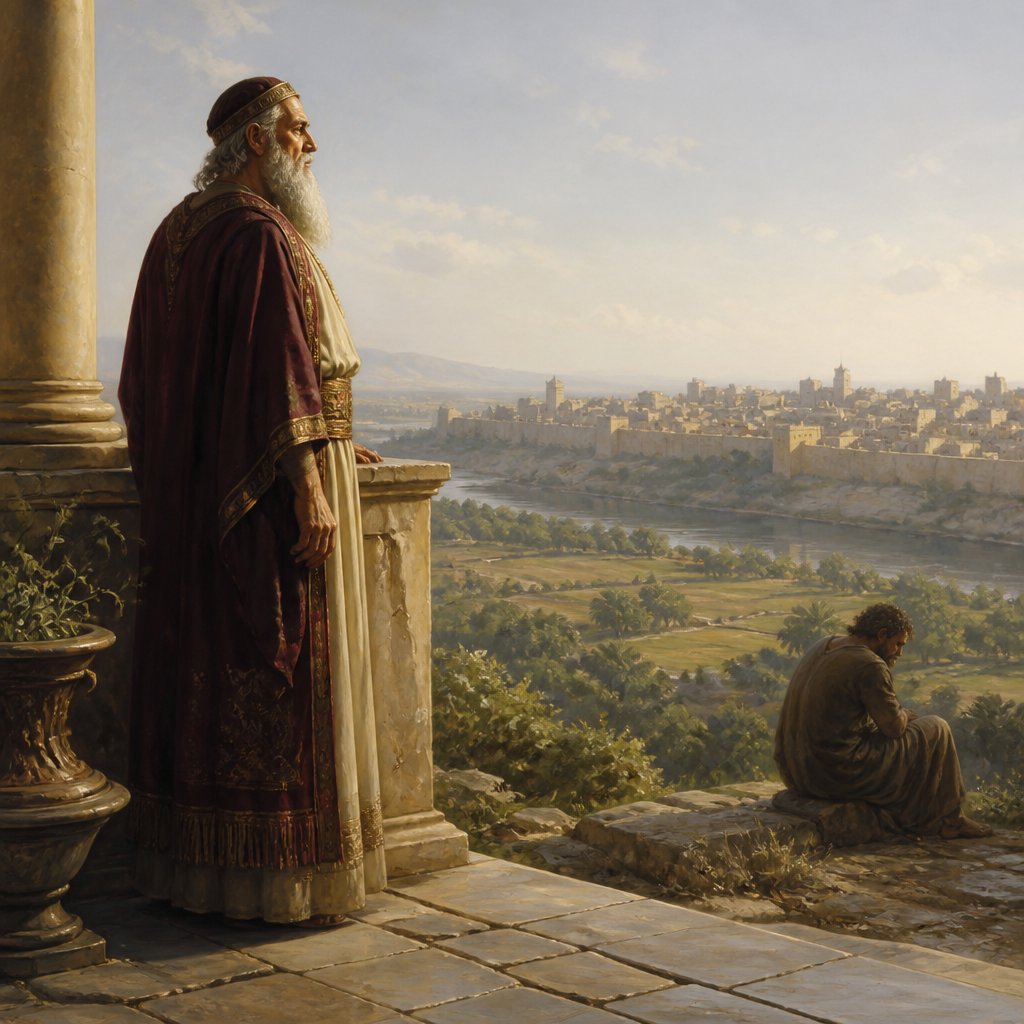
Job 21:7 (KJV) says: "Wherefore do the wicked live, become old, yea, are mighty in power?"
This verse comes from the book of Job in the Old Testament, which is a complex and profound meditation on the nature of suffering and the ways of God. Job, the central character of the book, is portrayed as a righteous and blameless man who suffers greatly through a series of trials and tribulations. The verse in question is part of a larger passage in which Job laments the prosperity of the wicked despite their sinful ways.
The verse raises a profound moral and existential question: why do the wicked seem to enjoy long lives, wealth, and power, despite their evil deeds? This question is a central theme in the book of Job and speaks to the broader human experience of grappling with the problem of evil in the world.
The verse reflects a sense of frustration and confusion on Job's part, as he struggles to make sense of the apparent injustice in the world. It captures the deep-seated human tendency to question the ways of God and to seek meaning and purpose in the face of suffering and adversity.
The verse also touches on the theme of divine justice and retribution. Job is grappling with the age-old question of why the righteous suffer while the wicked prosper. This speaks to the broader biblical theme of the tension between the righteous and the unrighteous, and the idea that ultimately, God's justice will prevail.
The context of the book of Job is crucial to understanding the deeper layers of meaning in this verse. Job's suffering is not only physical and emotional but also existential and spiritual. He is grappling with the ultimate questions of human existence and the ways of God in the world. The verse is part of Job's ongoing dialogue with his friends, who offer various explanations for his suffering, none of which satisfy Job's need for understanding.
The verse also carries echoes of other passages in the Old Testament that wrestle with the question of the prosperity of the wicked. For example, Psalm 73 laments the apparent prosperity of the wicked and the suffering of the righteous, echoing Job's own existential crisis.
Symbolically, the verse captures the broader human experience of grappling with the problem of evil and suffering in the world. It serves as a reminder of the inherent moral and existential tensions in the human condition and the ongoing struggle to make sense of the ways of God.
In summary, Job 21:7 is a profound and thought-provoking verse that captures the moral and existential questions at the heart of the book of Job. It speaks to the human experience of grappling with suffering, evil, and the ways of God, and the ongoing quest for meaning and understanding in the face of profound adversity. It is a powerful reminder of the complexity and depth of the biblical exploration of these themes and the ongoing relevance of these questions in the human experience.
Have questions about Job 21:7?
Dive deeper into this scripture with Bible Chat — an AI-powered tool for exploring God's Word through conversation. Ask questions, get context, and grow in your understanding of the Bible.
Get Our Apps


Job 21:7 Artwork

Job 21:7 - "Wherefore do the wicked live, become old, yea, are mighty in power?"
"Wherefore do the wicked live, become old, yea, are mighty in power?" - Job 21:7

Job 21:1 - "But Job answered and said,"

Job 7:21 - "And why dost thou not pardon my transgression, and take away mine iniquity? for now shall I sleep in the dust; and thou shalt seek me in the morning, but I shall not be."

"But Job answered and said," - Job 21:1

Job 1:21

Job 1:21

Job 3:20-21 - "Job 3:20-21: Why is light given to those in misery, and life to the bitter of soul, to those who long for death that does not come, who search for it more than for hidden treasure?"

Job 21:21 - "For what pleasure hath he in his house after him, when the number of his months is cut off in the midst?"

Job 34:7 - "What man is like Job, who drinketh up scorning like water?"

Job 21:12 - "They take the timbrel and harp, and rejoice at the sound of the organ."

Job 21:8 - "Their seed is established in their sight with them, and their offspring before their eyes."

Job 21:2 - "Hear diligently my speech, and let this be your consolations."

Job 1:7

Job 1:7

Job 1:7

Job 21:13 - "They spend their days in wealth, and in a moment go down to the grave."

Job 21:18 - "They are as stubble before the wind, and as chaff that the storm carrieth away."

Job 18:21 - "Surely such are the dwellings of the wicked, and this is the place of him that knoweth not God."

Job 21:24 - "His breasts are full of milk, and his bones are moistened with marrow."

Job 12:21 - "He poureth contempt upon princes, and weakeneth the strength of the mighty."

Job 21:10 - "Their bull gendereth, and faileth not; their cow calveth, and casteth not her calf."

Job 21:11 - "They send forth their little ones like a flock, and their children dance."

Job 21:16 - "Lo, their good is not in their hand: the counsel of the wicked is far from me."

Job 40:21 - "He lieth under the shady trees, in the covert of the reed, and fens."

Job 21:25 - "And another dieth in the bitterness of his soul, and never eateth with pleasure."

Job 21:32 - "Yet shall he be brought to the grave, and shall remain in the tomb."

Job 24:21 - "He evil entreateth the barren that beareth not: and doeth not good to the widow."

Job 41:21 - "His breath kindleth coals, and a flame goeth out of his mouth."

Job 3:21 - "Which long for death, but it cometh not; and dig for it more than for hid treasures;"