What does Job 20:17 mean?
"He shall not see the rivers, the floods, the brooks of honey and butter." - Job 20:17
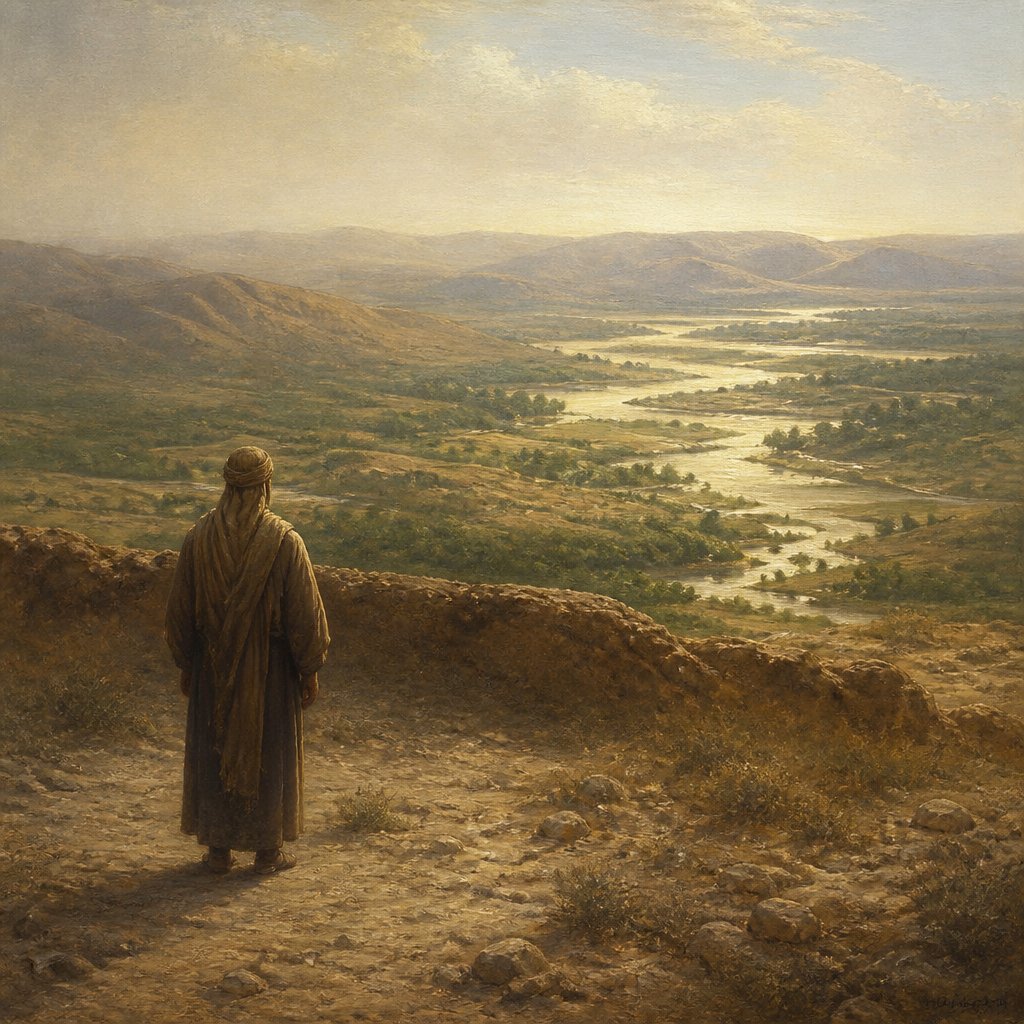
Job 20:17 (KJV) states: "He shall not see the rivers, the floods, the brooks of honey and butter."
The book of Job in the Bible tells the story of a righteous man who faces intense suffering and loss, and it raises complex questions about the nature of God, human suffering, and the concept of justice. In Job 20, we find one of Job's friends, Zophar, speaking to him, and this verse is part of a longer speech in which Zophar is warning Job about the fate of the wicked.
The verse in question uses vivid imagery to depict the fate of the wicked. It speaks of someone who will not enjoy the abundance and pleasures of life, as symbolized by "rivers, floods, brooks of honey and butter." In the ancient world, rivers, floods, honey, and butter were symbols of fertility, prosperity, and abundance. Thus, the verse suggests that the wicked will not partake in the bounties of life, but will be deprived of such richness and happiness.
From a thematic standpoint, this verse addresses the age-old question of the justice of God. Throughout the book of Job, the characters grapple with the problem of why the righteous suffer and the wicked prosper. Zophar, in this particular speech, is asserting that the wicked will ultimately suffer and be deprived of the pleasures of life. This relates to the overarching theme of divine justice and the consequences of one's actions.
From a contextual standpoint, it is important to note that this verse is part of a larger discourse between Job and his friends. The friends, including Zophar, have been attempting to offer explanations for Job's suffering, suggesting that it is the result of his sins. In his response, Job vehemently denies this, asserting his innocence and questioning the ways of God. Thus, this verse is part of a wider theological debate and serves to highlight the differing perspectives on suffering and divine justice.
Symbolism plays a significant role in the interpretation of this verse. The imagery of "rivers, floods, brooks of honey and butter" symbolizes the goodness and abundance of life. They represent the joys and comforts that are often associated with prosperity and well-being. By negating the ability of the wicked to see or enjoy these symbols, the verse underscores the idea that their actions will lead to a deprivation of such blessings.
In a broader sense, this verse can also be interpreted metaphorically. The "rivers, floods, brooks of honey and butter" can symbolize not only material wealth but also spiritual nourishment and fulfillment. Therefore, the verse may also be alluding to the spiritual emptiness and lack of peace that the wicked will experience as a consequence of their actions.
It's important to approach this verse with sensitivity and a critical understanding of its context within the book of Job. While it can be tempting to interpret it as a black-and-white statement regarding divine retribution, it is crucial to consider the complexities of Job's narrative and the broader theology of the Bible. Ultimately, this verse serves as a part of the ongoing dialogue about the nature of suffering, the consequences of one's actions, and the ultimate justice of God.
Have questions about Job 20:17?
Dive deeper into this scripture with Bible Chat — an AI-powered tool for exploring God's Word through conversation. Ask questions, get context, and grow in your understanding of the Bible.
Get Our Apps


Job 20:17 Artwork

Job 20:17 - "He shall not see the rivers, the floods, the brooks of honey and butter."
"He shall not see the rivers, the floods, the brooks of honey and butter." - Job 20:17

Job 42:17 - "So Job died, being old and full of days."

Job 1:20

Job 1:20

Job 3:20-21 - "Job 3:20-21: Why is light given to those in misery, and life to the bitter of soul, to those who long for death that does not come, who search for it more than for hidden treasure?"

Job 1:20 - "Then Job arose, and rent his mantle, and shaved his head, and fell down upon the ground, and worshipped,"

Job 20:5 - "That the triumphing of the wicked is short, and the joy of the hypocrite but for a moment?"

Job 20:1 - "Then answered Zophar the Naamathite, and said,"

Job 20:20 - "Surely he shall not feel quietness in his belly, he shall not save of that which he desired."

Job 28:20 - "Whence then cometh wisdom? and where is the place of understanding?"

"So Job died, being old and full of days." - Job 42:17

Genesis 20-17

Matthew 17:20

Job 3:17 - "There the wicked cease from troubling; and there the weary be at rest."

Job 36:20 - "Desire not the night, when people are cut off in their place."

Matthew 17:20

Genesis 17-20

Job 17:12 - "They change the night into day: the light is short because of darkness."

Job 41:17 - "They are joined one to another, they stick together, that they cannot be sundered."

Job 17:2 - "Are there not mockers with me? and doth not mine eye continue in their provocation?"

Job 20:4 - "Knowest thou not this of old, since man was placed upon earth,"

Job 8:17 - "His roots are wrapped about the heap, and seeth the place of stones."

Job 12:17 - "He leadeth counsellors away spoiled, and maketh the judges fools."

Job 16:17 - "Not for any injustice in mine hands: also my prayer is pure."

Job 13:17 - "Hear diligently my speech, and my declaration with your ears."

Job 4:20 - "They are destroyed from morning to evening: they perish for ever without any regarding it."

Job 3:20 - "Wherefore is light given to him that is in misery, and life unto the bitter in soul;"

Job 29:20 - "My glory was fresh in me, and my bow was renewed in my hand."

Job 22:20 - "Whereas our substance is not cut down, but the remnant of them the fire consumeth."