What does Job 1:11 mean?
"But put forth thine hand now, and touch all that he hath, and he will curse thee to thy face." - Job 1:11
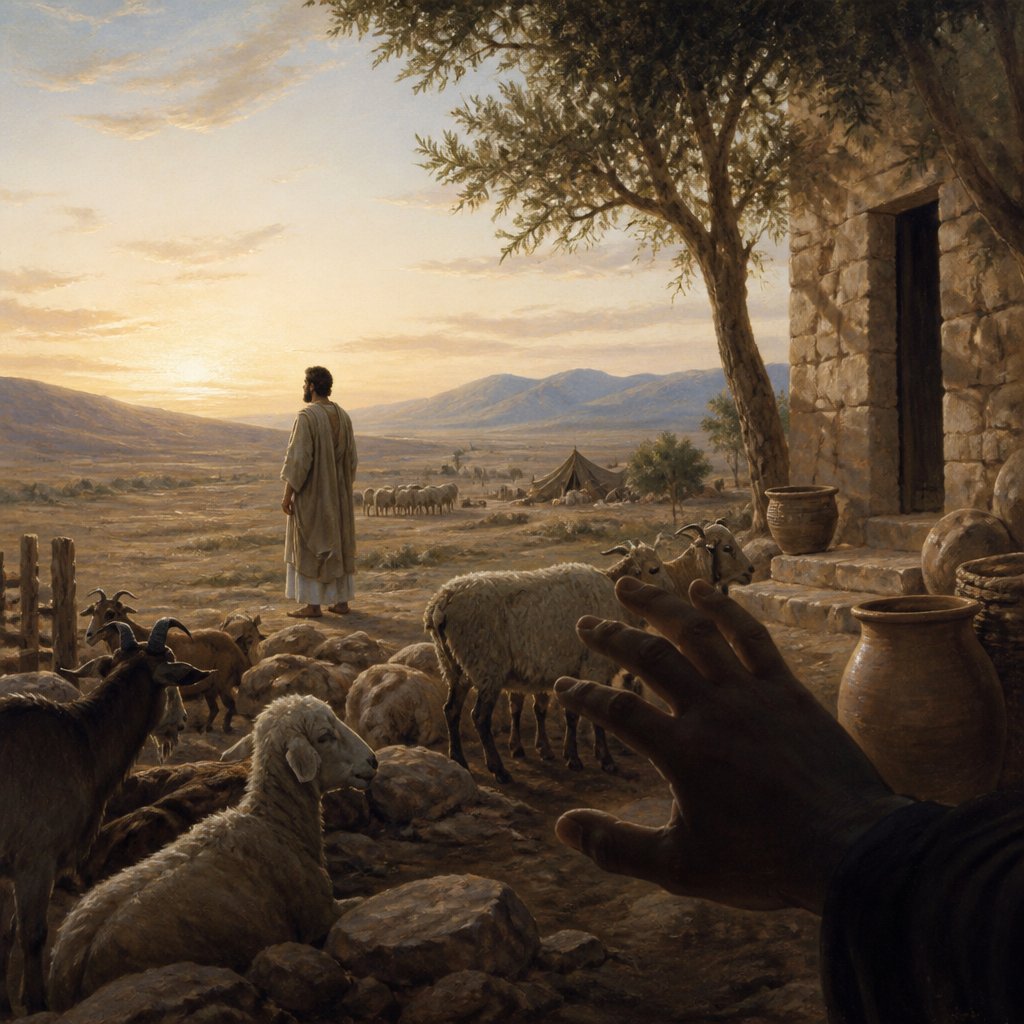
Job 1:11 from the King James Version (KJV) of the Bible reads, "But put forth thine hand now, and touch all that he hath, and he will curse thee to thy face." This verse is part of the story of Job, which is found in the Old Testament. The Book of Job is a complex and profound exploration of suffering, faith, and the nature of God. It is one of the most highly regarded books in the Bible and has been the subject of much theological discussion and debate.
The verse occurs in the prologue of the book, where we are introduced to Job, a wealthy and righteous man who is blessed with a large family, abundant livestock, and a comfortable lifestyle. In the heavenly court, Satan challenges God, claiming that Job's faithfulness is based solely on his prosperity and would crumble if he were to face suffering. God allows Satan to test Job by taking away his possessions and family, but forbids him from harming Job physically.
The verse reflects the conversation between God and Satan, as God gives permission for Satan to touch all that Job has. It is significant in that it portrays Satan as questioning whether Job's loyalty to God is genuine or merely the result of God's blessings. This sets the stage for the trials and tribulations that Job will face throughout the rest of the book.
One of the key themes in the Book of Job is the problem of suffering and the question of why bad things happen to good people. The verse in question introduces the idea that suffering can be a test of faith, as Satan accuses Job of only being faithful because of his comfortable life. This challenges the belief that prosperity and success are signs of God's favor, and suggests that true faith is tested in times of adversity.
The verse also raises the issue of theodicy, which is the attempt to reconcile the existence of evil and suffering with the belief in a good and all-powerful God. Job's story grapples with the difficult question of why God allows suffering to occur, and it challenges the traditional understanding of divine justice and the rewards of righteousness.
In terms of context, the Book of Job is set in the ancient Near East and reflects the cultural and religious beliefs of that time. It is likely that the original audience would have understood suffering as a punishment for sin or as a test of faith, and the story of Job challenges these traditional views. The verse sets the stage for the dramatic events that will unfold as Job loses his possessions, his children, and even his health.
Symbolism in the verse can be seen in the idea of Job's possessions representing his outward blessings and material prosperity. The fact that Satan asks to "touch all that he hath" implies that suffering will come in the form of loss and deprivation. This suggests that the things we value and hold dear in this world can be taken away, and that true faith is not dependent on earthly comforts.
In conclusion, Job 1:11 is a pivotal verse in the Book of Job, setting the stage for the profound exploration of suffering, faith, and the nature of God that follows. It introduces the theme of suffering as a test of faith and challenges traditional beliefs about divine justice and the rewards of righteousness. The verse has deep theological and philosophical significance, and continues to be a source of reflection and contemplation for believers and scholars alike.
Have questions about Job 1:11?
Dive deeper into this scripture with Bible Chat — an AI-powered tool for exploring God's Word through conversation. Ask questions, get context, and grow in your understanding of the Bible.
Get Our Apps


Job 1:11 Artwork

Job 1:11 - "But put forth thine hand now, and touch all that he hath, and he will curse thee to thy face."
"But put forth thine hand now, and touch all that he hath, and he will curse thee to thy face." - Job 1:11

Job 1:1

Job 11:1 - "Then answered Zophar the Naamathite, and said,"

"Then answered Zophar the Naamathite, and said," - Job 11:1

Acts 1:1-11

Acts 1:1-11

Revelation 1:11

Isaiah 11:1

Revelation 1:11

Nehemiah 11:1-19

Job 11:11 - "For he knoweth vain men: he seeth wickedness also; will he not then consider it?"

Job 1:1 - "There was a man in the land of Uz, whose name was Job; and that man was perfect and upright, and one that feared God, and eschewed evil."

Job 2:11-13

Job 2:11-13

Job 2:11-13

Job 26:11 - "The pillars of heaven tremble and are astonished at his reproof."

Job 31:11 - "For this is an heinous crime; yea, it is an iniquity to be punished by the judges."

Job 12:1 - "And Job answered and said,"

Job 23:1 - "Then Job answered and said,"

Job 42:1 - "Then Job answered the LORD, and said,"

Job 9:1 - "Then Job answered and said,"

Job 19:1 - "Then Job answered and said,"

Job 21:1 - "But Job answered and said,"

Job 26:1 - "But Job answered and said,"

Job 6:1 - "But Job answered and said,"

Job 16:1 - "Then Job answered and said,"

Job 22:11 - "Or darkness, that thou canst not see; and abundance of waters cover thee."

Job 15:11 - "Are the consolations of God small with thee? is there any secret thing with thee?"

Job 21:11 - "They send forth their little ones like a flock, and their children dance."