What does Job 19:25-27 mean?
"For I know that my redeemer liveth, and that he shall stand at the latter day upon the earth: And though after my skin worms destroy this body, yet in my flesh shall I see God: Whom I shall see for myself, and mine eyes shall behold, and not another; though my reins be consumed within me." - Job 19:25-27
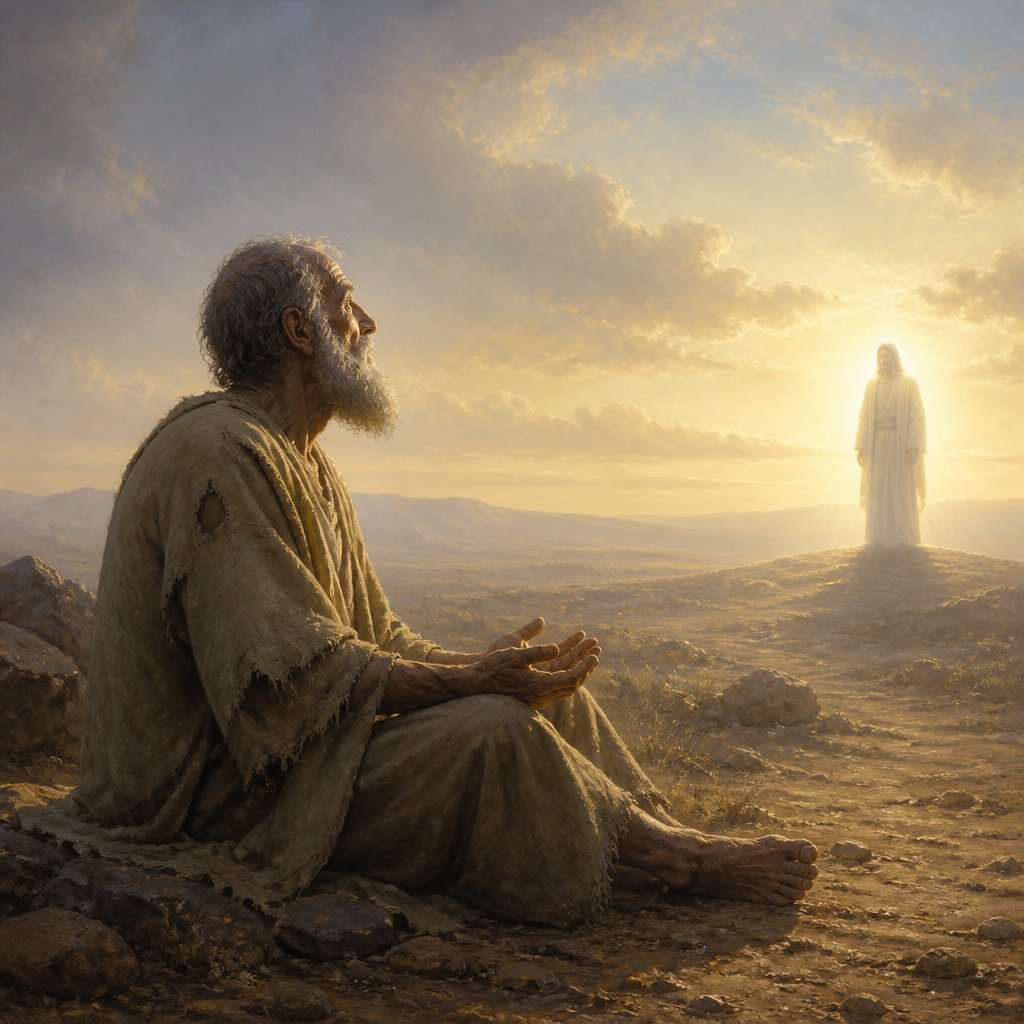
Job 19:25-27 in the King James Version reads:
"For I know that my redeemer liveth, and that he shall stand at the latter day upon the earth: And though after my skin worms destroy this body, yet in my flesh shall I see God: Whom I shall see for myself, and mine eyes shall behold, and not another; though my reins be consumed within me."
This passage comes from the book of Job in the Old Testament and is part of a larger narrative in which Job, a righteous and blameless man, is enduring tremendous suffering and affliction. The context of these verses is important to understand their full meaning, as they are a powerful declaration of faith and hope in the face of overwhelming hardship.
In this passage, Job is expressing his confidence and assurance in the fact that he has a redeemer who is living and will stand upon the earth in the latter days. This redeemer is none other than God Himself, who will come to vindicate Job and set everything right. Despite the devastation and destruction of his physical body, Job believes that he will see God in his flesh and with his own eyes. This reaffirms his belief in the resurrection and the ultimate triumph of good over evil.
The themes present in this passage are numerous and profound. One of the most prominent themes is that of redemption and hope. Job's declaration of faith in his redeemer conveys his unwavering trust in God's ultimate justice and deliverance. This speaks to the idea that even in the depths of despair and suffering, there is hope for a future restoration and recompense.
Another important theme is that of resurrection and the afterlife. Job's belief in seeing God in his flesh after his physical body has been consumed by worms is a powerful assertion of his confidence in life after death. This speaks to the larger Biblical theme of eternal life and the resurrection of the dead, and it serves as a source of comfort and encouragement for believers facing their own mortality.
Additionally, the concept of divine vindication is prevalent in these verses. Job's assurance that he will see God with his own eyes and not another signifies his belief that he will personally witness God's justice and righteousness being manifested. This underscores the idea that God is actively involved in the affairs of humanity and that He will ultimately set things right, even in the face of seemingly insurmountable suffering and injustice.
Symbolism is also present in these verses, particularly in the imagery of Job's physical body being destroyed by worms. This serves as a vivid representation of the decay and mortality of the human condition. However, Job's proclamation of seeing God in his flesh symbolizes the triumph of the spirit over the limitations of the flesh, pointing to the overarching theme of eternal life and the resurrection.
In conclusion, Job 19:25-27 is a profound declaration of faith and hope in the midst of extreme adversity. It reflects the enduring themes of redemption, resurrection, divine vindication, and the triumph of the spirit over the flesh. This passage serves as a source of inspiration and comfort for believers facing their own trials and tribulations, reminding them of the ultimate hope and assurance found in God's redemptive power.
Have questions about Job 19:25-27?
Dive deeper into this scripture with Bible Chat — an AI-powered tool for exploring God's Word through conversation. Ask questions, get context, and grow in your understanding of the Bible.
Get Our Apps


Job 19:25-27 Artwork

Job 19:25-27 - "For I know that my redeemer liveth, and that he shall stand at the latter day upon the earth: And though after my skin worms destroy this body, yet in my flesh shall I see God: Whom I shall see for myself, and mine eyes shall behold, and not another; though my reins be consumed within me."
"For I know that my redeemer liveth, and that he shall stand at the latter day upon the earth: And though after my skin worms destroy this body, yet in my flesh shall I see God: Whom I shall see for myself, and mine eyes shall behold, and not another; though my reins be consumed within me." - Job 19:25-27

John 19:25-27

John 19:25-27

John 19:25-27 with emphasis on Mary

Job 39:19-25 – "Do you give the horse its strength or clothe its neck with a flowing mane?"

Job 19:25 - "For I know that my redeemer liveth, and that he shall stand at the latter day upon the earth:"

Job 27:19 - "The rich man shall lie down, but he shall not be gathered: he openeth his eyes, and he is not."
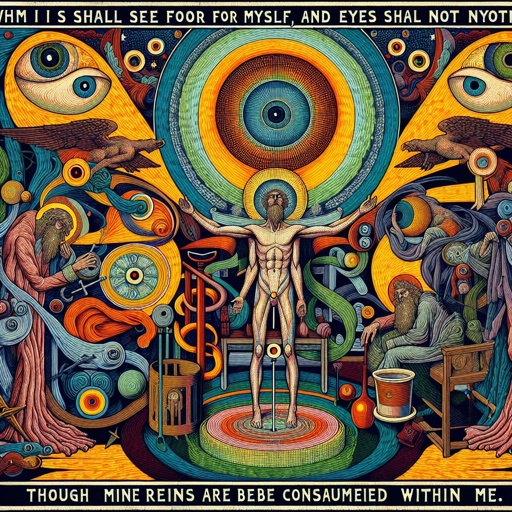
Job 19:27 - "Whom I shall see for myself, and mine eyes shall behold, and not another; though my reins be consumed within me."

"For I know that my redeemer liveth, and that he shall stand at the latter day upon the earth:" - Job 19:25

Job 27:1 - "Moreover Job continued his parable, and said,"
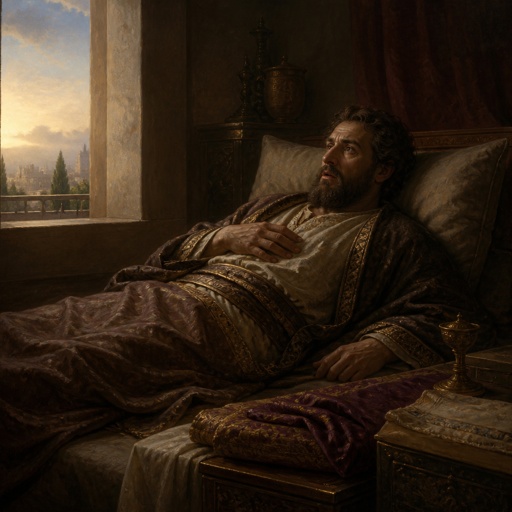
"The rich man shall lie down, but he shall not be gathered: he openeth his eyes, and he is not." - Job 27:19

Job 19:1 - "Then Job answered and said,"

Job 27:6

1 Corinthians 9:25-27

1 Corinthians 9:25-27

Genesis 25-27

1 Corinthians 9:25-27

1 Corinthians 9:25-27

"Then Job answered and said," - Job 19:1

Job 39:13-25
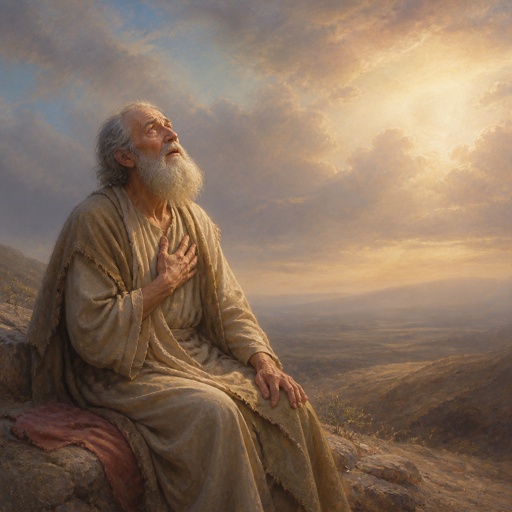
"Whom I shall see for myself, and mine eyes shall behold, and not another; though my reins be consumed within me." - Job 19:27

"Moreover Job continued his parable, and said," - Job 27:1

Job 25:1 - "Then answered Bildad the Shuhite, and said,"

Job 18-19

Job 41:27 - "He esteemeth iron as straw, and brass as rotten wood."

Genesis 19-27

Genesis 19-25

Job 30:27 - "My bowels boiled, and rested not: the days of affliction prevented me."

Job 19:19 - "All my inward friends abhorred me: and they whom I loved are turned against me."