What does Job 19:25 mean?
"For I know that my redeemer liveth, and that he shall stand at the latter day upon the earth:" - Job 19:25

Job 19:25 in the King James Version (KJV) of the Bible reads, "For I know that my redeemer liveth, and that he shall stand at the latter day upon the earth." This verse is found in the Book of Job, which is a part of the Old Testament. The Book of Job is known for its exploration of the problem of evil and the suffering of the righteous. In this particular verse, Job expresses his unshakable faith in the midst of his suffering, declaring his belief in the existence of a redeemer who is alive and who will stand on the earth in the latter days.
The verse begins with the powerful declaration, "For I know that my redeemer liveth." This statement encapsulates Job's unwavering confidence in the existence and activity of a redeemer, even in the midst of his deep suffering. The term "redeemer" carries significant theological weight in the Old Testament. It is often associated with the concept of redemption, deliverance, and salvation. In the context of Job's suffering, the idea of a redeemer takes on added significance, as it implies hope and the eventual restoration of all that has been lost.
Job's declaration that his redeemer lives is an expression of his firm belief in the sovereignty and faithfulness of God. Despite his dire circumstances, Job holds fast to the assurance that his redeemer is not only a living being, but also that he is actively involved in the affairs of the world. This belief gives Job strength and hope in the midst of his suffering, as he looks forward to the ultimate vindication and deliverance that will be brought about by his redeemer.
The second part of the verse states, "and that he shall stand at the latter day upon the earth." This phrase points to the future manifestation of the redeemer on earth in the latter days. It suggests a time when the redeemer will visibly and powerfully assert his presence and authority on the earth. This aspect of the verse speaks to the eschatological hope present in Job's declaration. The latter days refer to a future period when God's ultimate purposes will be fulfilled, and all things will be set right. Job anticipates the coming of his redeemer in this future time, when justice will be fully realized, and all suffering and injustice will be redeemed.
One of the underlying themes in this verse is the concept of faith in the midst of suffering. Job's affirmation of his belief in a living redeemer serves as a powerful example of unwavering faith in the face of adversity. Despite the overwhelming nature of his suffering, Job clings to the hope that his redeemer is alive and active, and that there is a future day of vindication and restoration. This theme of faith in the midst of suffering resonates deeply with many readers, as it speaks to the universal human experience of enduring hardship and holding onto hope in the midst of despair.
Furthermore, the verse also contains rich symbolism and imagery. The idea of a living redeemer who will stand on the earth in the latter days evokes powerful imagery of divine intervention and the triumph of righteousness. The image of the redeemer standing on the earth signifies his tangible presence and his decisive action to set things right. This visual depiction of the redeemer's future manifestation reinforces the hope and assurance that Job finds in his belief, as it points to a future reality where God's justice and mercy will prevail.
In conclusion, Job 19:25 in the King James Version of the Bible is a profound declaration of faith and hope in the midst of suffering. Job's unwavering belief in the existence of a living redeemer who will one day stand on the earth serves as an enduring testament to the resilience of faith in the face of adversity. The verse carries deep theological significance, conveying themes of faith, redemption, and eschatological hope. It also contains rich symbolism and imagery that further amplify its message of enduring hope and ultimate vindication. As a result, Job 19:25 continues to be a source of inspiration and comfort for countless individuals who encounter suffering and adversity in their own lives.
Have questions about Job 19:25?
Dive deeper into this scripture with Bible Chat — an AI-powered tool for exploring God's Word through conversation. Ask questions, get context, and grow in your understanding of the Bible.
Get Our Apps


Job 19:25 Artwork

Job 19:25 - "For I know that my redeemer liveth, and that he shall stand at the latter day upon the earth:"

Job 19:25-27 - "For I know that my redeemer liveth, and that he shall stand at the latter day upon the earth: And though after my skin worms destroy this body, yet in my flesh shall I see God: Whom I shall see for myself, and mine eyes shall behold, and not another; though my reins be consumed within me."
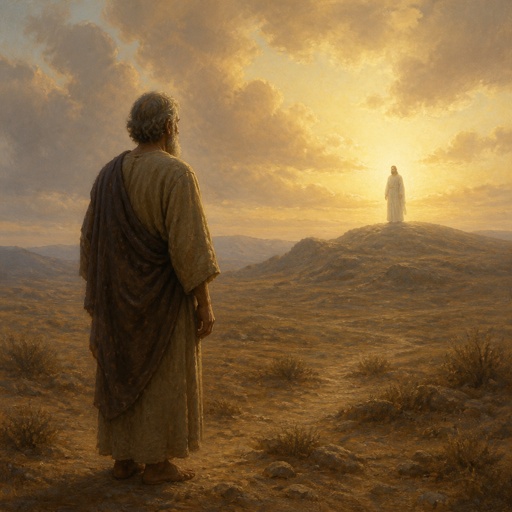
"For I know that my redeemer liveth, and that he shall stand at the latter day upon the earth:" - Job 19:25
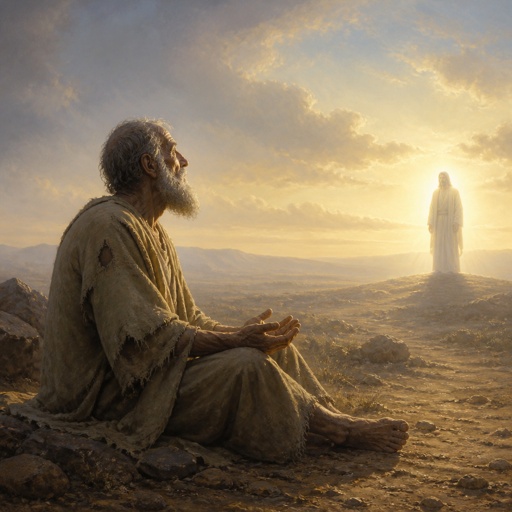
"For I know that my redeemer liveth, and that he shall stand at the latter day upon the earth: And though after my skin worms destroy this body, yet in my flesh shall I see God: Whom I shall see for myself, and mine eyes shall behold, and not another; though my reins be consumed within me." - Job 19:25-27

Job 39:19-25 – "Do you give the horse its strength or clothe its neck with a flowing mane?"

Job 19:1 - "Then Job answered and said,"

"Then Job answered and said," - Job 19:1

Job 39:13-25

Job 25:1 - "Then answered Bildad the Shuhite, and said,"

Job 18-19

Genesis 19-25

Job 19:19 - "All my inward friends abhorred me: and they whom I loved are turned against me."

Job 28:25 - "To make the weight for the winds; and he weigheth the waters by measure."

John 19:25-27

Job 21:25 - "And another dieth in the bitterness of his soul, and never eateth with pleasure."

Job 30:25 - "Did not I weep for him that was in trouble? was not my soul grieved for the poor?"

Job 25:5 - "Behold even to the moon, and it shineth not; yea, the stars are not pure in his sight."

Job 36:25 - "Every man may see it; man may behold it afar off."

Job 6:25 - "How forcible are right words! but what doth your arguing reprove?"

John 19:25-27

Job 25:2 - "Dominion and fear are with him, he maketh peace in his high places."

Job 25:6 - "How much less man, that is a worm? and the son of man, which is a worm?"

Job 38:25 - "Who hath divided a watercourse for the overflowing of waters, or a way for the lightning of thunder;"
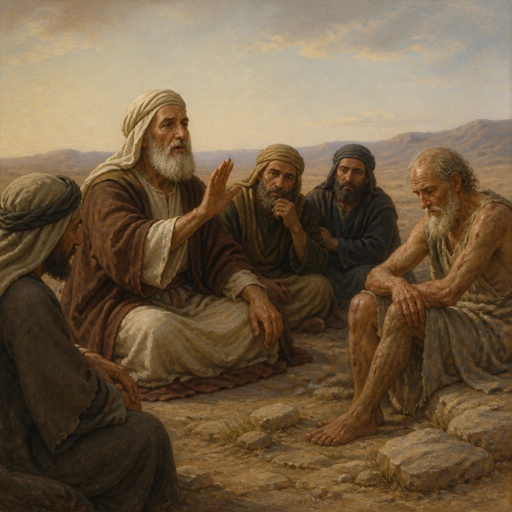
"Then answered Bildad the Shuhite, and said," - Job 25:1

Job 25:3 - "Is there any number of his armies? and upon whom doth not his light arise?"

Job 34:25 - "Therefore he knoweth their works, and he overturneth them in the night, so that they are destroyed."

Job 8:19 - "Behold, this is the joy of his way, and out of the earth shall others grow."

Joshua 19:25 - "And their border was Helkath, and Hali, and Beten, and Achshaph,"

Job 9:25 - "Now my days are swifter than a post: they flee away, they see no good."

Job 22:25 - "Yea, the Almighty shall be thy defence, and thou shalt have plenty of silver."