What does Job 14:20 mean?
"Thou prevailest for ever against him, and he passeth: thou changest his countenance, and sendest him away." - Job 14:20
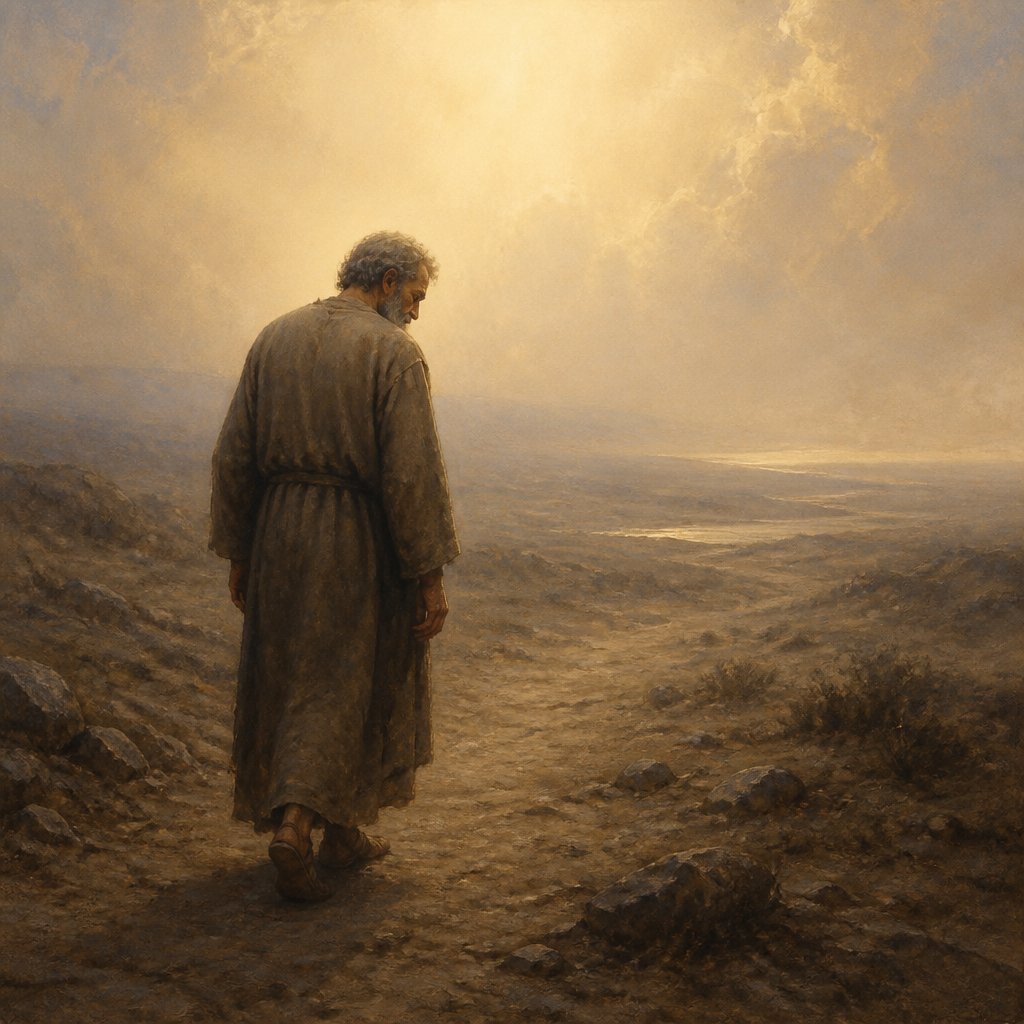
Job 14:20 (KJV)
"Thou prevailest for ever against him, and he passeth: thou changest his countenance, and sendest him away."
This verse comes from the book of Job, which is located in the Old Testament. The book of Job is a poetic and philosophical exploration of the nature of suffering, the character of God, and the meaning of faith. The protagonist, Job, is a righteous man who undergoes extreme suffering and loss. The verse in question is taken from a portion of Job's monologue in which he reflects on the brevity and fragility of human life.
The verse presents a complex and multifaceted commentary on the nature of God's power, the mortality of human beings, and the inevitability of change. The language used in the verse is symbolic and rich with meaning, and it can be interpreted in a variety of ways.
The first part of the verse states, "Thou prevailest for ever against him, and he passeth." This line speaks to the omnipotence and eternal nature of God. It suggests that God's power and sovereignty will always prevail over human beings, who are transient and mortal. This can be seen as a meditation on the insignificance of human existence in the face of divine power, and it reflects the broader theme of the book of Job, which explores the limitations of human understanding and the unknowable nature of God's will.
The next part of the verse, "thou changest his countenance," further emphasizes the idea of change and impermanence. The word "countenance" can refer to a person's facial expression or overall appearance, but it can also be understood as a metaphor for one's circumstances and state of being. This line suggests that God has the ability to alter the course of a person's life, to change their fortunes, and to bring about transformation in their inner world. It speaks to the unpredictable and unpredictable nature of human existence, and it reinforces the theme of God's inscrutable power and authority.
Finally, the verse concludes with the phrase, "and sendest him away." This line reinforces the theme of transience and impermanence. It suggests that human life is fleeting and temporary, and that ultimately, every individual will be "sent away" from this world. This language echoes the biblical motif of death as a departure or transition to another realm, and it reflects Job's preoccupation with the brevity and suffering of human life.
Overall, the verse from Job 14:20 offers a poignant meditation on the human condition, the nature of divine power, and the inevitability of change and mortality. It speaks to the profound themes of suffering, loss, and the unknowable nature of God's will. The verse is rich with symbolism and metaphor, and it invites readers to contemplate the complexities of existence and the mysteries of faith. In the context of the broader book of Job, this verse serves as a powerful expression of the human experience and the enigmatic nature of God's plan.
Have questions about Job 14:20?
Dive deeper into this scripture with Bible Chat — an AI-powered tool for exploring God's Word through conversation. Ask questions, get context, and grow in your understanding of the Bible.
Get Our Apps


Job 14:20 Artwork

Job 14:20 - "Thou prevailest for ever against him, and he passeth: thou changest his countenance, and sendest him away."

"Thou prevailest for ever against him, and he passeth: thou changest his countenance, and sendest him away." - Job 14:20
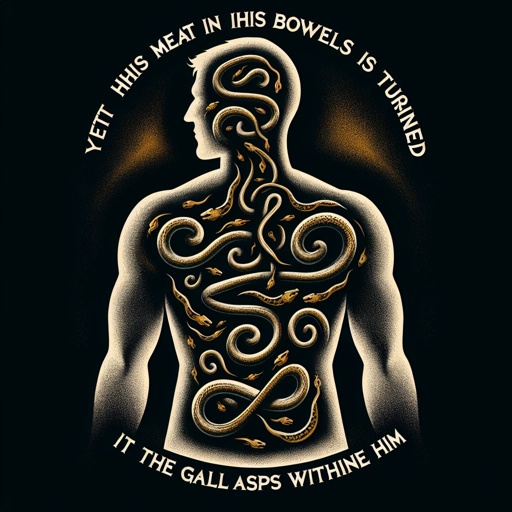
Job 20:14 - "Yet his meat in his bowels is turned, it is the gall of asps within him."

Ezekiel 14:20 - "Though Noah, Daniel, and Job, were in it, as I live, saith the Lord GOD, they shall deliver neither son nor daughter; they shall but deliver their own souls by their righteousness."
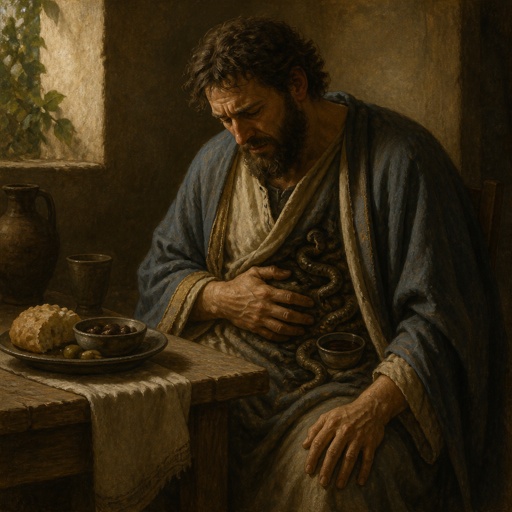
"Yet his meat in his bowels is turned, it is the gall of asps within him." - Job 20:14

Job 1:20

Job 1:20

Job 3:20-21 - "Job 3:20-21: Why is light given to those in misery, and life to the bitter of soul, to those who long for death that does not come, who search for it more than for hidden treasure?"

Job 37:14 - "Hearken unto this, O Job: stand still, and consider the wondrous works of God."

Job 1:20 - "Then Job arose, and rent his mantle, and shaved his head, and fell down upon the ground, and worshipped,"

Job 14:2

Job 20:5 - "That the triumphing of the wicked is short, and the joy of the hypocrite but for a moment?"

Job 20:1 - "Then answered Zophar the Naamathite, and said,"

Job 20:20 - "Surely he shall not feel quietness in his belly, he shall not save of that which he desired."

Job 1:14 - "And there came a messenger unto Job, and said, The oxen were plowing, and the asses feeding beside them:"

Job 28:20 - "Whence then cometh wisdom? and where is the place of understanding?"

Job 36:20 - "Desire not the night, when people are cut off in their place."

Job 38:14 - "It is turned as clay to the seal; and they stand as a garment."

Job 20:4 - "Knowest thou not this of old, since man was placed upon earth,"

Job 36:14 - "They die in youth, and their life is among the unclean."

Job 20:17 - "He shall not see the rivers, the floods, the brooks of honey and butter."

Job 5:14 - "They meet with darkness in the daytime, and grope in the noonday as in the night."
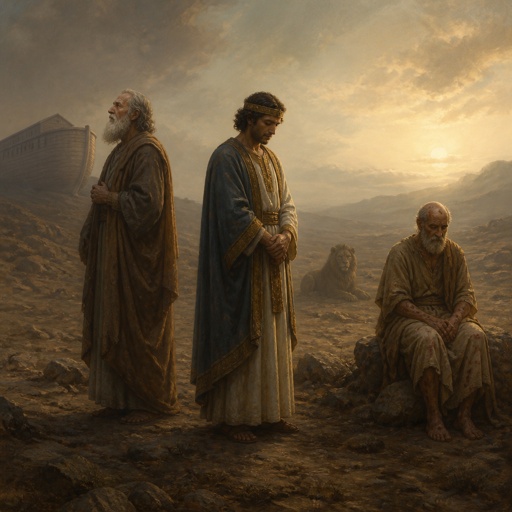
"Though Noah, Daniel, and Job, were in it, as I live, saith the Lord GOD, they shall deliver neither son nor daughter; they shall but deliver their own souls by their righteousness." - Ezekiel 14:20

Job 4:20 - "They are destroyed from morning to evening: they perish for ever without any regarding it."

Job 3:20 - "Wherefore is light given to him that is in misery, and life unto the bitter in soul;"

Job 29:20 - "My glory was fresh in me, and my bow was renewed in my hand."

Job 22:20 - "Whereas our substance is not cut down, but the remnant of them the fire consumeth."

Job 33:20 - "So that his life abhorreth bread, and his soul dainty meat."

Job 28:14 - "The depth saith, It is not in me: and the sea saith, It is not with me."

Ezekiel 14:14 - "Though these three men, Noah, Daniel, and Job, were in it, they should deliver but their own souls by their righteousness, saith the Lord GOD."