What does Job 14:1 mean?
"Man that is born of a woman is of few days, and full of trouble." - Job 14:1
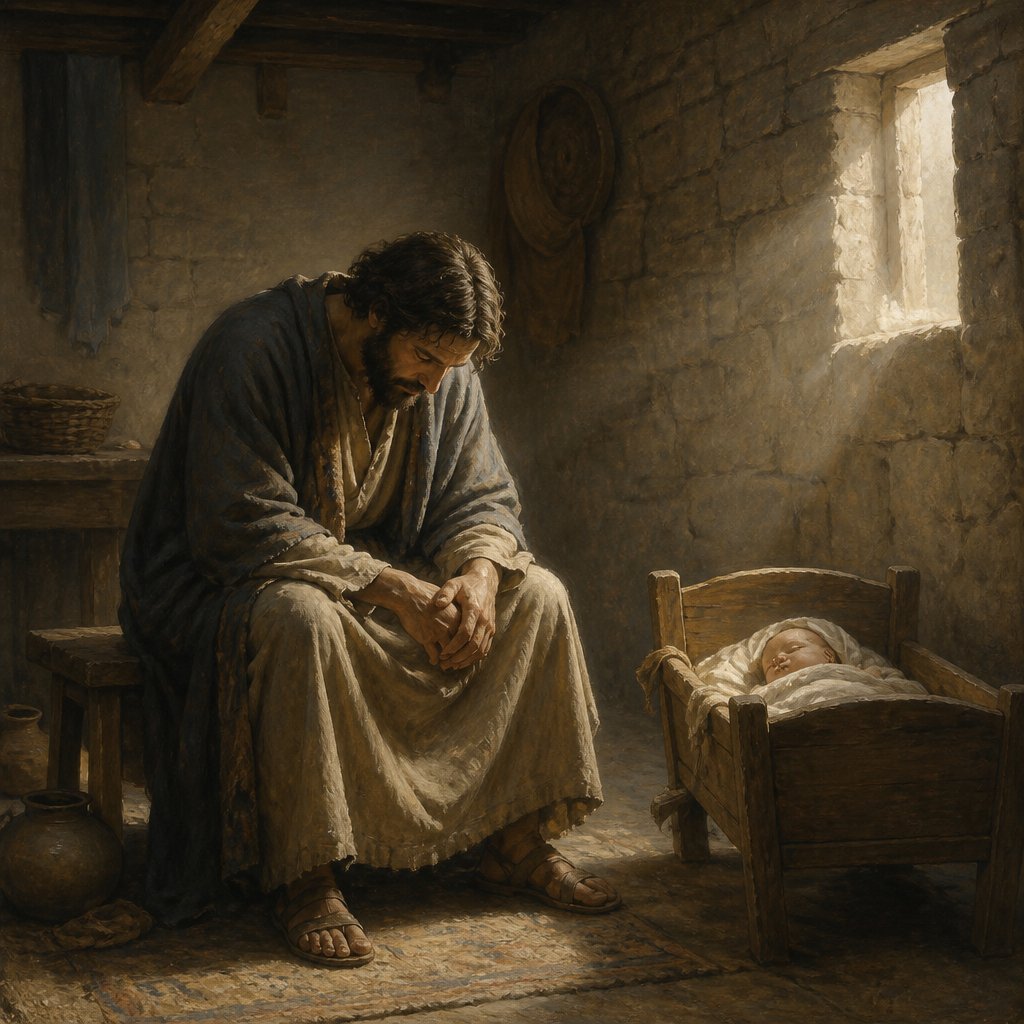
The book of Job is widely recognized as one of the most poetic and philosophically profound books in the Bible. It delves deeply into the complex themes of suffering, human mortality, and the nature of God's justice. In Job 14:1, the verse serves as a poignant reflection on the brevity of human life and the inevitability of suffering.
The verse from Job 14:1 in the King James Version reads: "Man that is born of a woman is of few days and full of trouble." This verse conveys a sense of the transience and toil of human existence. It begins with the acknowledgment of human birth, emphasizing our common origin and mortality. The phrase "born of a woman" serves as a reminder of the humble and vulnerable nature of human life. The emphasis on the brevity of life is a recurring theme throughout the book of Job, highlighting the ephemeral nature of human existence.
The latter part of the verse, "is of few days and full of trouble," encapsulates the essence of the human condition. It acknowledges the presence of suffering and affliction as an integral part of human experience. The phrase "full of trouble" alludes to the inherent struggles and hardships that accompany life. This recognition of suffering is a central aspect of Job's lament in the face of his own intense suffering, as well as a broader reflection on the universal human experience of pain and sorrow.
The context of Job 14:1 is critical to understanding its significance within the book of Job. Job, a righteous man, experiences profound and inexplicable suffering, losing his children, wealth, and health. In the midst of his anguish, Job questions the nature of God's justice and the reasons for his suffering. The verse serves as a poignant expression of Job's grappling with the harsh realities of human existence and the apparent absence of divine intervention in the face of suffering.
Moreover, Job's lament in this verse echoes the broader theological question of theodicy, which grapples with the existence of evil and suffering in a world purportedly governed by a just and benevolent God. Job's contemplation of the brevity and toil of human life reflects a deeply existential and philosophical inquiry into the nature of human suffering and the divine response to it.
Symbolically, the verse encapsulates the fragility and adversity of the human experience. The imagery of "few days" evokes the fleeting and transient nature of human life, while "full of trouble" captures the inherent struggles and tribulations that define our earthly existence. This symbolism serves as a powerful reminder of the impermanence and challenges of life, prompting introspection and contemplation of the human condition.
In conclusion, Job 14:1 in the King James Version offers a profound meditation on the brevity and toil of human life, as well as a poignant reflection on the presence of suffering in the human experience. Its portrayal of the transient and adversity-ridden nature of existence aligns with the broader themes of suffering and theodicy within the book of Job. This verse serves as a compelling invitation to grapple with the profound questions of human existence and the divine response to human suffering.
Have questions about Job 14:1?
Dive deeper into this scripture with Bible Chat — an AI-powered tool for exploring God's Word through conversation. Ask questions, get context, and grow in your understanding of the Bible.
Get Our Apps


Job 14:1 Artwork

Job 14:1 - "Man that is born of a woman is of few days, and full of trouble."
"Man that is born of a woman is of few days, and full of trouble." - Job 14:1

Job 1:14 - "And there came a messenger unto Job, and said, The oxen were plowing, and the asses feeding beside them:"
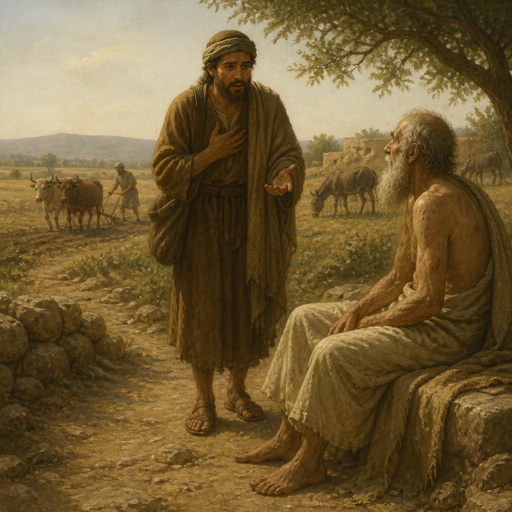
"And there came a messenger unto Job, and said, The oxen were plowing, and the asses feeding beside them:" - Job 1:14

Job 37:14 - "Hearken unto this, O Job: stand still, and consider the wondrous works of God."

Job 14:2

Job 38:14 - "It is turned as clay to the seal; and they stand as a garment."

Job 36:14 - "They die in youth, and their life is among the unclean."

Job 5:14 - "They meet with darkness in the daytime, and grope in the noonday as in the night."

Job 28:14 - "The depth saith, It is not in me: and the sea saith, It is not with me."

Ezekiel 14:14 - "Though these three men, Noah, Daniel, and Job, were in it, they should deliver but their own souls by their righteousness, saith the Lord GOD."

Job 14:14 - "If a man die, shall he live again? all the days of my appointed time will I wait, till my change come."

Job 39:14 - "Which leaveth her eggs in the earth, and warmeth them in dust,"

Job 23:14 - "For he performeth the thing that is appointed for me: and many such things are with him."

Job 7:14 - "Then thou scarest me with dreams, and terrifiest me through visions:"

Job 24:14 - "The murderer rising with the light killeth the poor and needy, and in the night is as a thief."

Job 12:1 - "And Job answered and said,"

Job 23:1 - "Then Job answered and said,"

Job 3:14 - "With kings and counsellors of the earth, which built desolate places for themselves;"

Job 33:14 - "For God speaketh once, yea twice, yet man perceiveth it not."

Job 14:4 - "Who can bring a clean thing out of an unclean? not one."

Job 14:11 - "As the waters fail from the sea, and the flood decayeth and drieth up:"

Job 42:1 - "Then Job answered the LORD, and said,"

Job 9:1 - "Then Job answered and said,"

Job 19:1 - "Then Job answered and said,"

Job 21:1 - "But Job answered and said,"

Job 26:1 - "But Job answered and said,"

Job 16:1 - "Then Job answered and said,"

Job 6:1 - "But Job answered and said,"

Job 29:14 - "I put on righteousness, and it clothed me: my judgment was as a robe and a diadem."