What does Job 12:11 mean?
"Doth not the ear try words? and the mouth taste his meat?" - Job 12:11
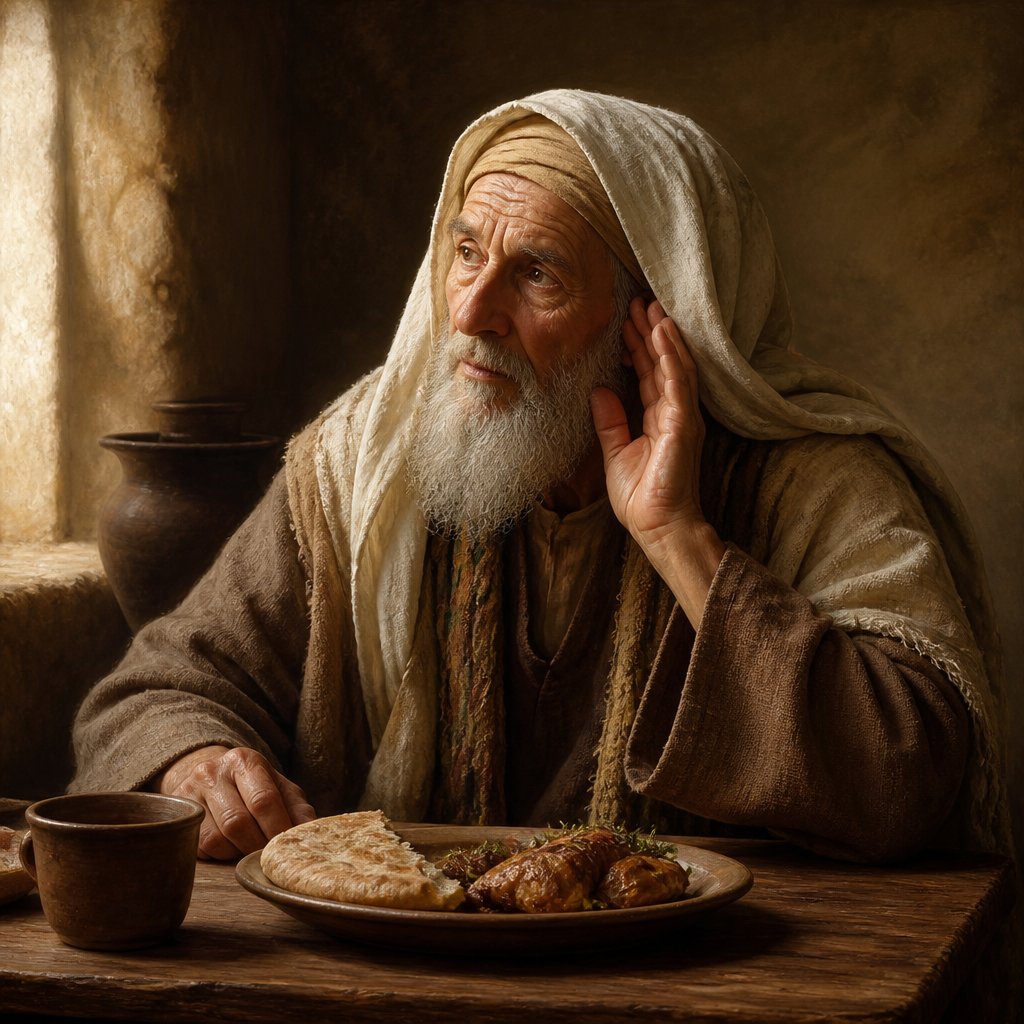
Job 12:11 in the King James Version of the Bible states, "Doth not the ear try words? and the mouth taste his meat?" This verse is found in the book of Job, which is a profound and complex exploration of suffering, faith, and God's sovereignty. The book of Job is a part of the Wisdom literature in the Old Testament and is believed to have been written during the time of the Patriarchs. It tells the story of a man named Job who experiences immense hardship and suffering, and grapples with the age-old question of why bad things happen to good people.
The verse itself is part of a larger speech given by Job in response to his friends who are trying to make sense of his suffering. In this particular verse, Job is reminding his friends that understanding and wisdom come not only from listening to words, but also from tasting and experiencing life itself. It reflects the idea that true knowledge and understanding come from firsthand experience and discernment rather than simply hearing words or accepting what others say.
When analyzing this verse, it is important to consider the broader context of the book of Job. Job is undergoing a severe trial, and his friends are attempting to explain his suffering by assuming that it is a result of sin or disobedience. Job, however, maintains his innocence and questions the justice of God. Throughout the book, Job wrestles with the apparent unfairness of his suffering and grapples with the mystery of God's ways. This verse specifically reflects Job's assertion that true wisdom and understanding come from lived experience and personal discernment, rather than simply accepting the words of others.
In this verse, there is a theme of discernment and wisdom through personal experience. The idea of "trying words" and "tasting his meat" conveys the importance of using all of one's senses to gain true understanding. In the same way that the ear tests the words it hears, and the mouth tastes food to discern its flavor, so too should individuals discern and test the wisdom and knowledge they receive. This is a powerful metaphor for the idea that wisdom is not simply acquired through hearing or reading, but through lived experience and personal discernment.
The context of suffering and questioning God's ways is also prevalent in this verse. Job's suffering has led him to question the justice of God's actions, and he is grappling with the seemingly arbitrary nature of his hardship. This verse reflects Job's insistence that true wisdom and understanding require a deep engagement with life and its experiences, rather than simply accepting the explanations offered by others.
The symbolism in this verse is also noteworthy. The act of tasting food is a sensory experience that allows one to discern its qualities and flavor. Similarly, the act of trying words represents a process of discernment and critical evaluation. The ear and mouth are used as symbols for the senses and the ability to discern truth.
In conclusion, Job 12:11 in the King James Version of the Bible embodies profound themes of wisdom, discernment, and questioning. It reflects Job's insistence that true understanding comes from personal experience and discernment, rather than simply accepting the words of others. This verse is a powerful reminder that wisdom and knowledge require active engagement and critical evaluation, rather than passive acceptance. In the context of suffering and questioning the ways of God, this verse offers a profound insight into the nature of true wisdom and understanding.
Have questions about Job 12:11?
Dive deeper into this scripture with Bible Chat — an AI-powered tool for exploring God's Word through conversation. Ask questions, get context, and grow in your understanding of the Bible.
Get Our Apps


Job 12:11 Artwork

Job 12:11 - "Doth not the ear try words? and the mouth taste his meat?"

"Doth not the ear try words? and the mouth taste his meat?" - Job 12:11
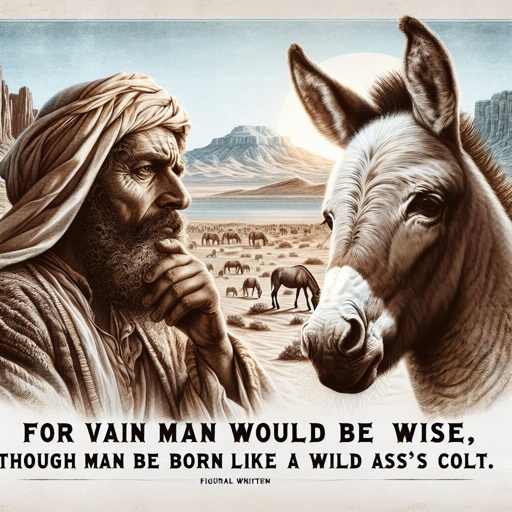
Job 11:12 - "For vain man would be wise, though man be born like a wild ass's colt."

Job 40:11-12 - "Unleash the fury of your wrath, look at all who are proud and bring them low, look at all who are proud and humble them, crush the wicked where they stand."

Job 12:1 - "And Job answered and said,"

"For vain man would be wise, though man be born like a wild ass's colt." - Job 11:12

Job 12:12 - "With the ancient is wisdom; and in length of days understanding."

"And Job answered and said," - Job 12:1

John 1:1-2

John 1:1-2

John 1:1-2

John 1:1-2

John 1:1-2

Job 32:12 - "Yea, I attended unto you, and, behold, there was none of you that convinced Job, or that answered his words:"

Job 11:11 - "For he knoweth vain men: he seeth wickedness also; will he not then consider it?"

Job 2:11-13

Job 2:11-13

Job 2:11-13

Job 11:1 - "Then answered Zophar the Naamathite, and said,"

"With the ancient is wisdom; and in length of days understanding." - Job 12:12

Job 12:16 - "With him is strength and wisdom: the deceived and the deceiver are his."

Job 26:11 - "The pillars of heaven tremble and are astonished at his reproof."

Job 31:11 - "For this is an heinous crime; yea, it is an iniquity to be punished by the judges."

Job 21:12 - "They take the timbrel and harp, and rejoice at the sound of the organ."

Job 12:2 - "No doubt but ye are the people, and wisdom shall die with you."

Job 12:13 - "With him is wisdom and strength, he hath counsel and understanding."

Job 12:19 - "He leadeth princes away spoiled, and overthroweth the mighty."

Job 28:12 - "But where shall wisdom be found? and where is the place of understanding?"

Job 12:9 - "Who knoweth not in all these that the hand of the LORD hath wrought this?"

Job 17:12 - "They change the night into day: the light is short because of darkness."