What does Jeremiah 8:11 mean?
"For they have healed the hurt of the daughter of my people slightly, saying, Peace, peace; when there is no peace." - Jeremiah 8:11
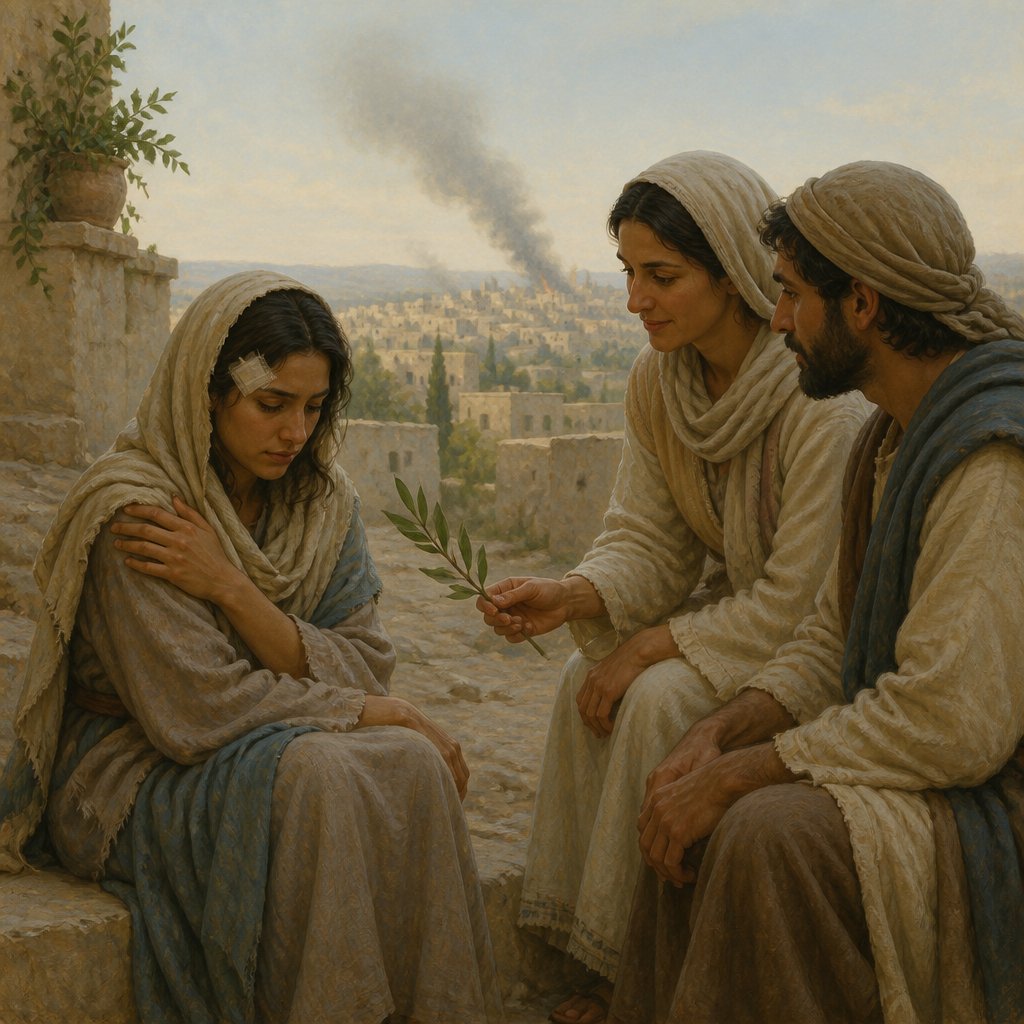
Jeremiah 8:11 in the King James Version of the Bible reads, "For they have healed the hurt of the daughter of my people slightly, saying, Peace, peace; when there is no peace." This verse is a part of the Book of Jeremiah, which is a collection of prophecies and poetry attributed to the prophet Jeremiah, who lived during the late 7th and early 6th centuries BCE. The book contains messages of warning and judgment for the people of Judah, who were facing the imminent threat of invasion and exile.
The verse Jeremiah 8:11 is a reflection of the widespread false sense of security and complacency that had taken hold of the people of Judah. The prophet Jeremiah is expressing his dismay at the superficial attempts to address the problems facing the nation. The leaders and false prophets of the time were offering empty reassurances and false hope, claiming that all was well and that peace was at hand. However, Jeremiah saw through these hollow promises and recognized that the true state of affairs was far from peaceful.
One of the major themes of Jeremiah 8:11 is the danger of self-deception and misplaced trust. The people of Judah were placing their faith in false prophets and leaders who were telling them what they wanted to hear, rather than facing the harsh realities of their situation. This theme of false confidence and misplaced trust is a recurring one throughout the Book of Jeremiah, as the prophet repeatedly condemns the people's stubborn refusal to acknowledge their own wrongdoings and the impending consequences.
Another important theme of this verse is the consequences of sin and disobedience. Throughout the Book of Jeremiah, there is a consistent emphasis on the idea that the people of Judah have incurred the wrath of God through their idolatry, injustice, and unfaithfulness. The false prophets and leaders who are offering false assurances are only perpetuating the spiritual and moral decay of the nation, rather than addressing the root causes of their problems.
The context of Jeremiah 8:11 is crucial in understanding its significance. At the time when Jeremiah was prophesying, the kingdom of Judah was facing the imminent threat of invasion and exile by the Babylonians. The nation was deeply divided, morally corrupt, and spiritually bankrupt. Jeremiah's prophetic message was a call to repentance and a warning of the impending judgment that would befall the people if they did not turn from their wicked ways.
In terms of symbolism, the "hurt of the daughter of my people" in Jeremiah 8:11 can be understood as a representation of the spiritual and moral affliction of the nation of Judah. The use of the term "daughter" emphasizes the vulnerability and preciousness of the people, while the word "hurt" conveys the deep wounds and suffering that they have endured. The superficial healing that is offered by the false prophets is symbolic of the empty promises and false hopes that are being peddled to the people, which ultimately perpetuate their spiritual and moral decay.
Overall, Jeremiah 8:11 serves as a poignant and powerful reminder of the dangers of self-deception, misplaced trust, and the consequences of sin and disobedience. The verse continues to resonate with timeless relevance, serving as a cautionary tale for all who are tempted to seek false assurances and easy solutions to their problems, rather than facing the harsh realities of their actions and their consequences. It stands as a solemn warning to always seek the truth, to face reality with humility, and to seek genuine healing and restoration through repentance and true faith.
Have questions about Jeremiah 8:11?
Dive deeper into this scripture with Bible Chat — an AI-powered tool for exploring God's Word through conversation. Ask questions, get context, and grow in your understanding of the Bible.
Get Our Apps


Jeremiah 8:11 Artwork

Jeremiah 8:11 - "For they have healed the hurt of the daughter of my people slightly, saying, Peace, peace; when there is no peace."
"For they have healed the hurt of the daughter of my people slightly, saying, Peace, peace; when there is no peace." - Jeremiah 8:11

Romans 8:11

Psalm 80:8-11

Jeremiah 11:8 - "Yet they obeyed not, nor inclined their ear, but walked every one in the imagination of their evil heart: therefore I will bring upon them all the words of this covenant, which I commanded them to do; but they did them not."

Jeremiah 11:1 - "The word that came to Jeremiah from the LORD, saying,"

Jeremiah 43:8 - "¶ Then came the word of the LORD unto Jeremiah in Tahpanhes, saying,"

Jeremiah 29:11-13

Jeremiah 29:11-13

Jeremiah 29:11-13

Jeremiah 29:11-13

Jeremiah 29:11

Jeremiah 29:11

Jeremiah 29:11

Jeremiah 29:11

Jeremiah 39:11 - "¶ Now Nebuchadrezzar king of Babylon gave charge concerning Jeremiah to Nebuzar-adan the captain of the guard, saying,"

Jeremiah 33:2-11

Jeremiah 33:2-11

Jeremiah 17:7-8

"The word that came to Jeremiah from the LORD, saying," - Jeremiah 11:1

Jeremiah 17:7-8

Jeremiah 17:7-8

Jeremiah 17:7-8

Jeremiah 29:11 sticker elements

Jeremiah 36:8 - "And Baruch the son of Neriah did according to all that Jeremiah the prophet commanded him, reading in the book the words of the LORD in the LORD'S house."

Jeremiah 1:11 - "¶ Moreover the word of the LORD came unto me, saying, Jeremiah, what seest thou? And I said, I see a rod of an almond tree."

Jeremiah 13:8 - "Then the word of the LORD came unto me, saying,"

Jeremiah 8:20 - "The harvest is past, the summer is ended, and we are not saved."

Jeremiah 10:8 - "But they are altogether brutish and foolish: the stock is a doctrine of vanities."

"¶ Then came the word of the LORD unto Jeremiah in Tahpanhes, saying," - Jeremiah 43:8