What does Jeremiah 8:10 mean?
"Therefore will I give their wives unto others, and their fields to them that shall inherit them: for every one from the least even unto the greatest is given to covetousness, from the prophet even unto the priest every one dealeth falsely." - Jeremiah 8:10
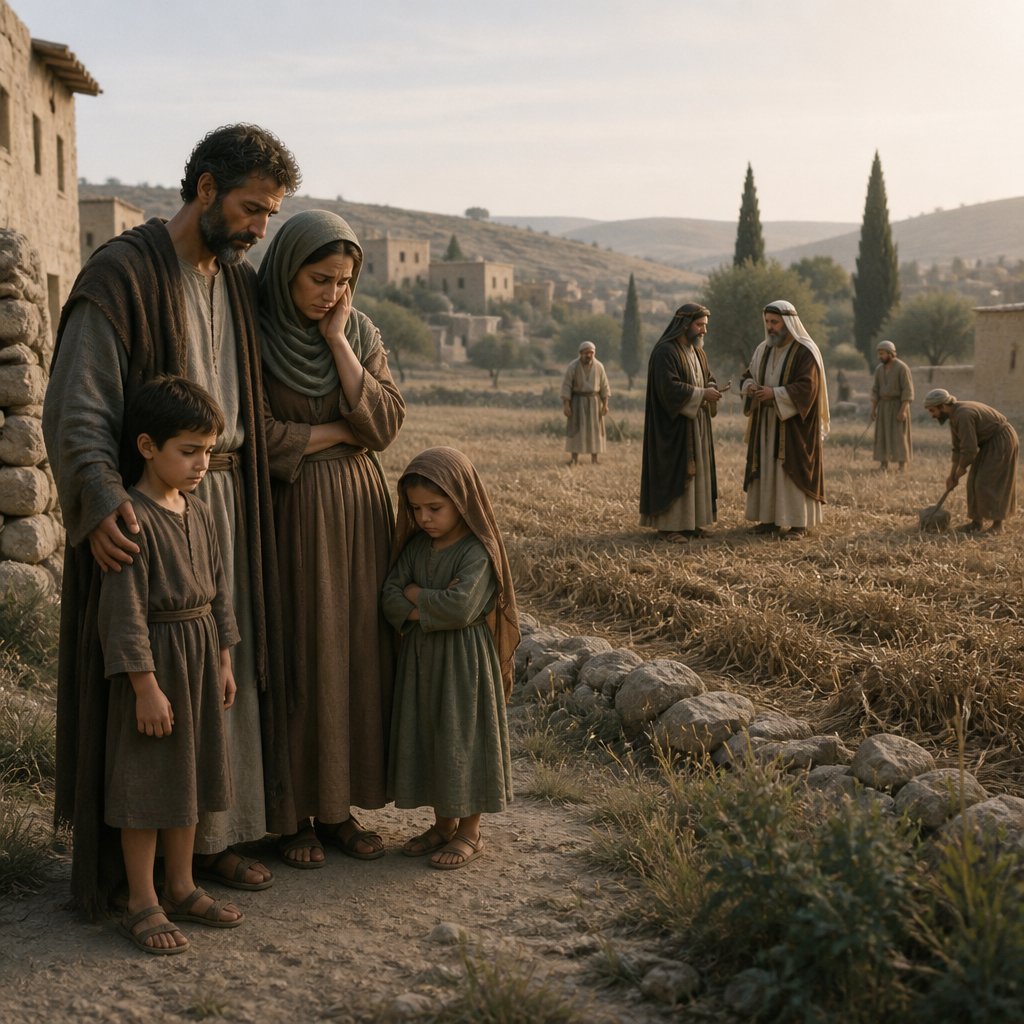
The verse Jeremiah 8:10 in the King James Version of the Bible reads, "Therefore will I give their wives unto others, and their fields to them that shall inherit them: for every one from the least even unto the greatest is given to covetousness, from the prophet even unto the priest every one dealeth falsely."
The book of Jeremiah is one of the major prophets in the Old Testament and it primarily focuses on the prophecies and messages given by the prophet Jeremiah to the people of Judah, warning them of the impending destruction and exile if they did not repent and turn back to God. In the preceding verses, Jeremiah laments over the sin and stubbornness of the people of Judah, and in verse 10, he pronounces a judgment from God on the people for their covetousness and deceitful practices.
The verse opens with the statement, "Therefore will I give their wives unto others, and their fields to them that shall inherit them," which is a direct consequence of the people's disobedience and unfaithfulness to God. In the ancient Near Eastern context, to have one's wife given to another and to lose possession of one's fields were seen as severe punishments or curses, indicating the extent of God's judgment upon the people. This imagery of losing one's wife and fields serves as a powerful symbol of the devastation that the people will face as a result of their unrepentant sin.
The latter part of the verse further emphasizes the pervasiveness of sin among the people, stating, "for every one from the least even unto the greatest is given to covetousness, from the prophet even unto the priest every one dealeth falsely." This indictment covers the entire spectrum of society, from the lowest to the highest, from the common people to the religious leaders. It underscores the widespread corruption and moral decay that had engulfed the nation of Judah, permeating through all levels of society and all facets of life.
The theme of covetousness and deceit runs throughout the verse, depicting the moral and social decay that had taken hold of the people. Covetousness refers to an intense desire for something that belongs to someone else, often leading to dishonesty and exploitation in order to obtain it. This theme of covetousness is a recurring motif in the Bible, and here, it is used to highlight the sinful nature of the people and their departure from God's commands.
Furthermore, the verse also speaks to the breakdown of trust and integrity within the community, as it mentions that "every one dealeth falsely." This implies a lack of honesty and sincerity in their interactions with one another, as well as a disregard for moral and ethical principles. The erosion of trust and honesty among the people only serves to exacerbate their moral decline and further distance them from God.
In a broader context, this verse serves as a poignant reminder of the consequences of disobedience and spiritual unfaithfulness. It highlights the principle of sowing and reaping, where the actions and choices of the people have led to the judgment that God pronounces upon them. The lamentation in this verse also reflects the deep grief and sorrow of the prophet Jeremiah as he witnesses the tragic outcome of the people's rebellion against God.
In conclusion, Jeremiah 8:10 serves as a sobering reflection on the moral and spiritual condition of the people of Judah, and by extension, a timeless cautionary tale for all people. It underscores the destructive nature of sin, the pervasiveness of moral decay, and the impending judgment that awaits those who persist in unrepentant disobedience. As with many passages in the Bible, it ultimately points to the need for repentance, forgiveness, and restoration through a renewed relationship with God.
Have questions about Jeremiah 8:10?
Dive deeper into this scripture with Bible Chat — an AI-powered tool for exploring God's Word through conversation. Ask questions, get context, and grow in your understanding of the Bible.
Get Our Apps


Jeremiah 8:10 Artwork
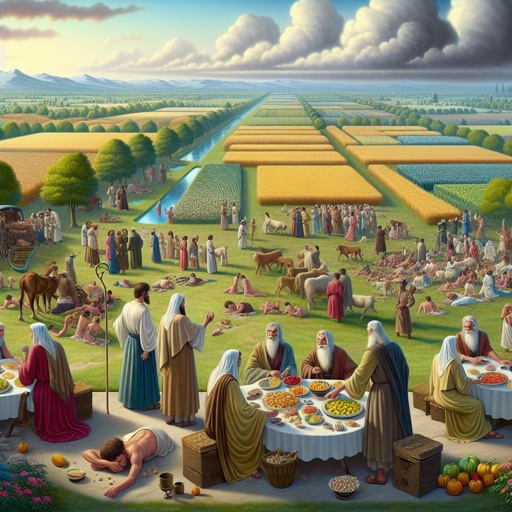
Jeremiah 8:10 - "Therefore will I give their wives unto others, and their fields to them that shall inherit them: for every one from the least even unto the greatest is given to covetousness, from the prophet even unto the priest every one dealeth falsely."
"Therefore will I give their wives unto others, and their fields to them that shall inherit them: for every one from the least even unto the greatest is given to covetousness, from the prophet even unto the priest every one dealeth falsely." - Jeremiah 8:10

Jeremiah 10:8 - "But they are altogether brutish and foolish: the stock is a doctrine of vanities."
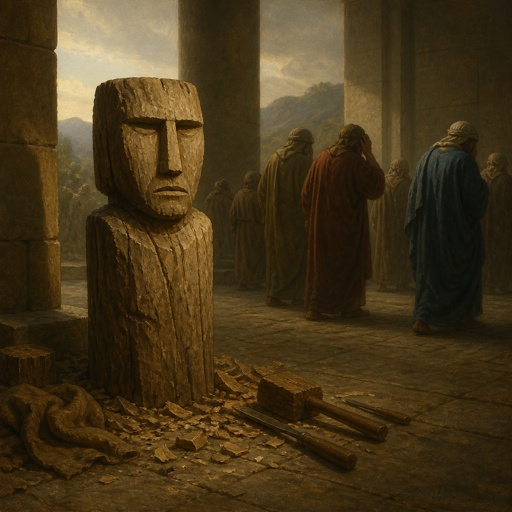
"But they are altogether brutish and foolish: the stock is a doctrine of vanities." - Jeremiah 10:8

Jeremiah 43:8 - "¶ Then came the word of the LORD unto Jeremiah in Tahpanhes, saying,"

Jeremiah 10:5

Jeremiah 17:7-8

Jeremiah 1: 1-10

Nehemiah 10:2 - "Seraiah, Azariah, Jeremiah,"

Jeremiah 17:7-8

Jeremiah 17:7-8

Jeremiah 17:7-8

1 Chronicles 12:10 - "Mishmannah the fourth, Jeremiah the fifth,"

Jeremiah 36:8 - "And Baruch the son of Neriah did according to all that Jeremiah the prophet commanded him, reading in the book the words of the LORD in the LORD'S house."

Jeremiah 13:8 - "Then the word of the LORD came unto me, saying,"

Jeremiah 8:20 - "The harvest is past, the summer is ended, and we are not saved."

"¶ Then came the word of the LORD unto Jeremiah in Tahpanhes, saying," - Jeremiah 43:8

Jeremiah 28:10 - "Then Hananiah the prophet took the yoke from off the prophet Jeremiah's neck, and brake it."

Jeremiah 8:8 - "How do ye say, We are wise, and the law of the LORD is with us? Lo, certainly in vain made he it; the pen of the scribes is in vain."

Jeremiah 10:15 - "They are vanity, and the work of errors: in the time of their visitation they shall perish."

Jeremiah 10:4 - "They deck it with silver and with gold; they fasten it with nails and with hammers, that it move not."

Jeremiah 7:8 - "¶ Behold, ye trust in lying words, that cannot profit."
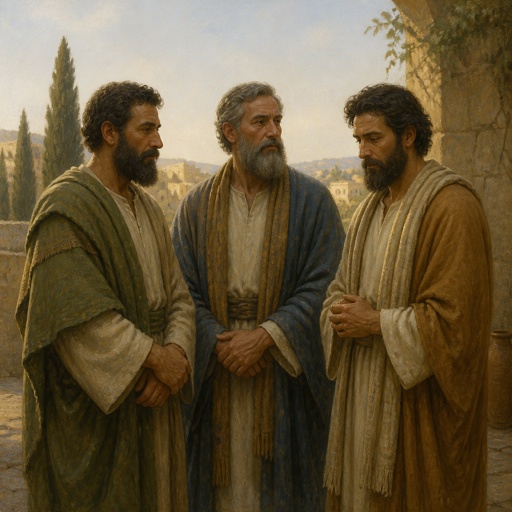
"Seraiah, Azariah, Jeremiah," - Nehemiah 10:2

Jeremiah 34:8 - "¶ This is the word that came unto Jeremiah from the LORD, after that the king Zedekiah had made a covenant with all the people which were at Jerusalem, to proclaim liberty unto them;"

Nehemiah 8:10

Jeremiah 19:10 - "Then shalt thou break the bottle in the sight of the men that go with thee,"

Jeremiah 8:15 - "We looked for peace, but no good came; and for a time of health, and behold trouble!"

Jeremiah 10:10 - "But the LORD is the true God, he is the living God, and an everlasting king: at his wrath the earth shall tremble, and the nations shall not be able to abide his indignation."

Nehemiah 8:10

Nehemiah 8:10