What does Jeremiah 52:9 mean?
"Then they took the king, and carried him up unto the king of Babylon to Riblah in the land of Hamath; where he gave judgment upon him." - Jeremiah 52:9
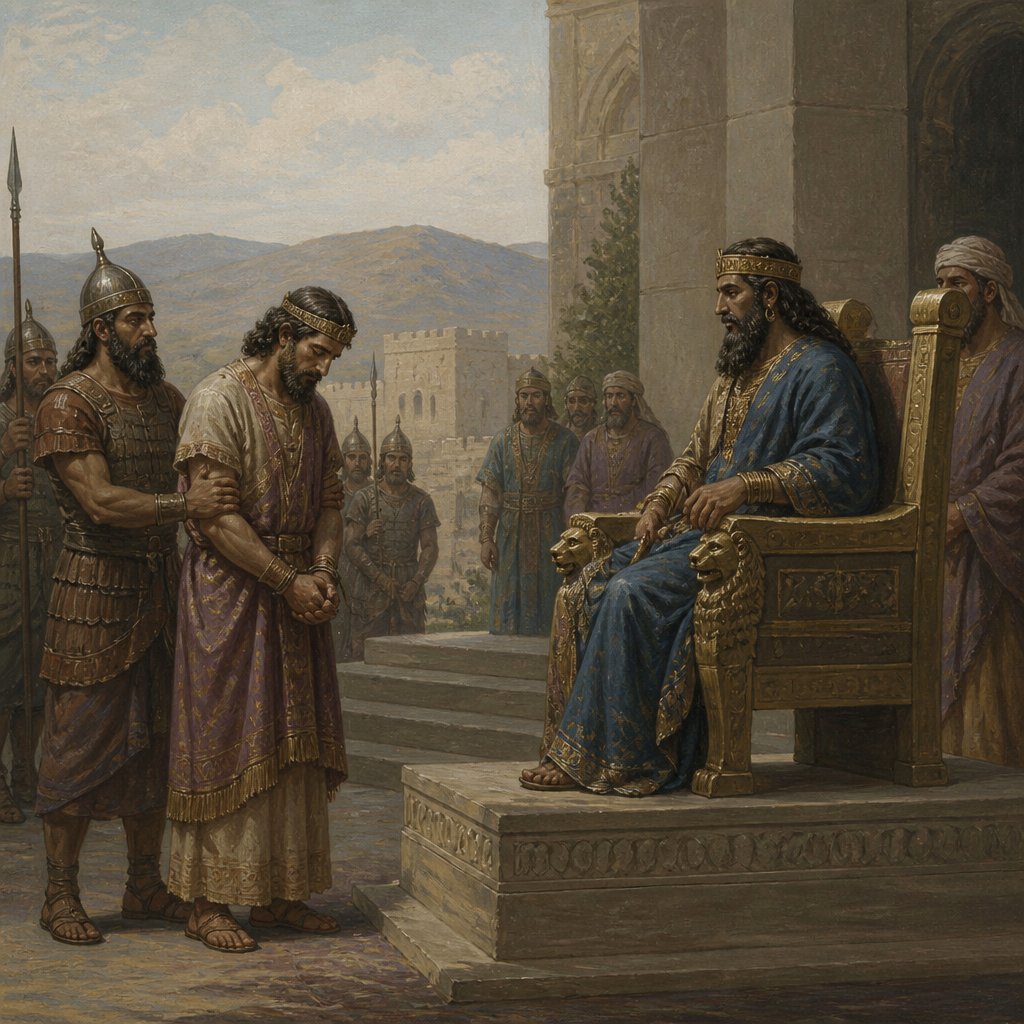
The verse Jeremiah 52:9 in the King James Version (KJV) reads: "Then they took the king, and carried him up unto the king of Babylon to Riblah in the land of Hamath; where he gave judgment upon him."
This verse is part of the last chapter of the book of Jeremiah, and it describes the fall of Jerusalem and the capture of King Zedekiah by the Babylonians. The context of this verse is crucial to understanding its significance. In the preceding verses, the city of Jerusalem is under siege by King Nebuchadnezzar of Babylon, and the people are suffering from a severe famine. In the face of this dire situation, King Zedekiah attempts to flee the city but is ultimately captured by the Babylonians.
The theme of judgment and consequence is prevalent in this verse. Throughout the book of Jeremiah, the prophet repeatedly warns the people of Judah about the impending judgment they would face if they continued in their disobedience to God. The capture of King Zedekiah and the fall of Jerusalem are seen as the ultimate fulfillment of this judgment. The king and the people of Judah are being held accountable for their actions, and they are facing the consequences of their rebellion against God.
Additionally, the verse highlights the power and authority of the king of Babylon. He is depicted as the ultimate judge, as he gives judgment upon King Zedekiah in the land of Hamath. This demonstrates the subjugation and defeat of the nation of Judah at the hands of the Babylonians. The Babylonian king's judgment represents the final say in the fate of King Zedekiah and the people of Judah, emphasizing the dominance of the Babylonian empire over them.
Symbolism also plays a significant role in this verse. Riblah, the location where the Babylonian king gives judgment, holds symbolic significance as a place of divine retribution. In the book of Numbers, Riblah is mentioned as the place where the Israelites were judged and punished by God for their disobedience in the wilderness. This parallel signifies that the capture and judgment of King Zedekiah and the fall of Jerusalem are a result of the people's continued disobedience and rejection of God.
Furthermore, the capture of the king represents the ultimate defeat of the nation of Judah. The king, who was supposed to be the symbol of strength and leadership for the people, is now being humiliated and taken captive by their enemies. This further emphasizes the consequences of the nation's disobedience to God and serves as a warning to future generations about the repercussions of turning away from God.
In conclusion, the verse Jeremiah 52:9 from the King James Version carries significant themes of judgment, consequence, authority, and symbolism. It serves as a reminder of the importance of obedience to God and the consequences that come from disobedience. The capture of King Zedekiah and the fall of Jerusalem are depicted as the ultimate fulfillment of God's judgment, with the Babylonian king serving as the instrument of divine retribution. This verse serves as a sobering reminder of the power and sovereignty of God and the importance of staying faithful to His commands.
Have questions about Jeremiah 52:9?
Dive deeper into this scripture with Bible Chat — an AI-powered tool for exploring God's Word through conversation. Ask questions, get context, and grow in your understanding of the Bible.
Get Our Apps


Jeremiah 52:9 Artwork

Jeremiah 52:9 - "Then they took the king, and carried him up unto the king of Babylon to Riblah in the land of Hamath; where he gave judgment upon him."
"Then they took the king, and carried him up unto the king of Babylon to Riblah in the land of Hamath; where he gave judgment upon him." - Jeremiah 52:9

Jeremiah 52:16

Jeremiah 52:5 - "So the city was besieged unto the eleventh year of king Zedekiah."

Jeremiah 52:16 - "But Nebuzar-adan the captain of the guard left certain of the poor of the land for vinedressers and for husbandmen."

Jeremiah 52:2 - "And he did that which was evil in the eyes of the LORD, according to all that Jehoiakim had done."

Jeremiah 52:6 - "And in the fourth month, in the ninth day of the month, the famine was sore in the city, so that there was no bread for the people of the land."

Jeremiah 52:26 - "So Nebuzar-adan the captain of the guard took them, and brought them to the king of Babylon to Riblah."

Jeremiah 52:1 - "Zedekiah was one and twenty years old when he began to reign, and he reigned eleven years in Jerusalem. And his mother's name was Hamutal the daughter of Jeremiah of Libnah."

Jeremiah 52:24 - "¶ And the captain of the guard took Seraiah the chief priest, and Zephaniah the second priest, and the three keepers of the door:"

Jeremiah 52:32 - "And spake kindly unto him, and set his throne above the throne of the kings that were with him in Babylon,"

Jeremiah 52:14 - "And all the army of the Chaldeans, that were with the captain of the guard, brake down all the walls of Jerusalem round about."

Jeremiah 52:28 - "This is the people whom Nebuchadrezzar carried away captive: in the seventh year three thousand Jews and three and twenty:"

Jeremiah 52:18 - "The caldrons also, and the shovels, and the snuffers, and the bowls, and the spoons, and all the vessels of brass wherewith they ministered, took they away."
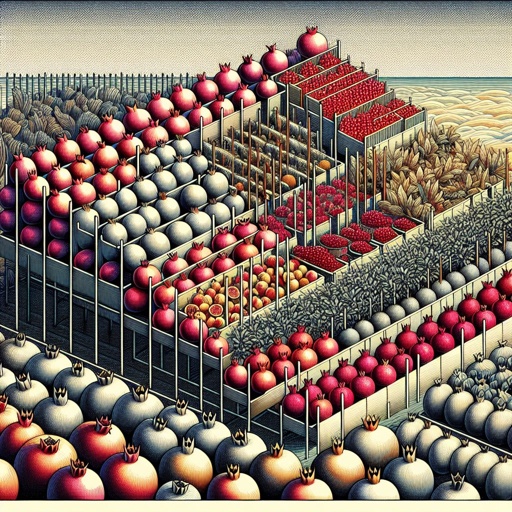
Jeremiah 52:23 - "And there were ninety and six pomegranates on a side; and all the pomegranates upon the network were an hundred round about."

Jeremiah 52:29 - "In the eighteenth year of Nebuchadrezzar he carried away captive from Jerusalem eight hundred thirty and two persons:"
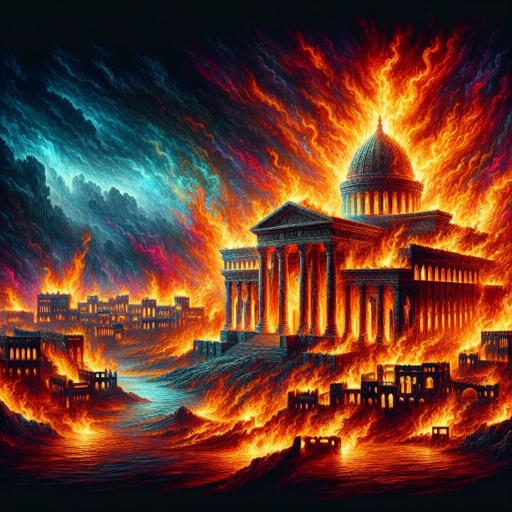
Jeremiah 52:13 - "And burned the house of the LORD, and the king's house; and all the houses of Jerusalem, and all the houses of the great men, burned he with fire:"

Jeremiah 52:33 - "And changed his prison garments: and he did continually eat bread before him all the days of his life."
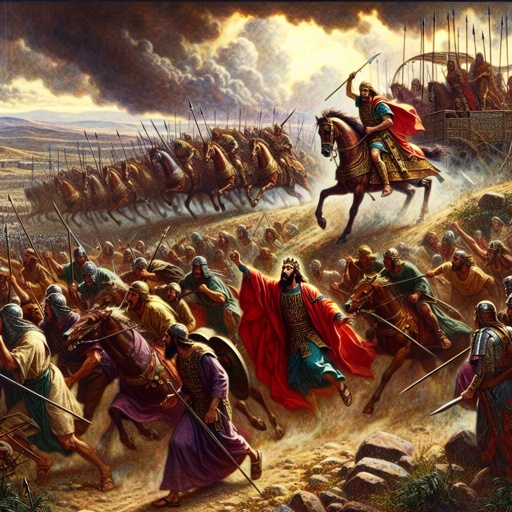
Jeremiah 52:8 - "¶ But the army of the Chaldeans pursued after the king, and overtook Zedekiah in the plains of Jericho; and all his army was scattered from him."

Jeremiah 52:10 - "And the king of Babylon slew the sons of Zedekiah before his eyes: he slew also all the princes of Judah in Riblah."
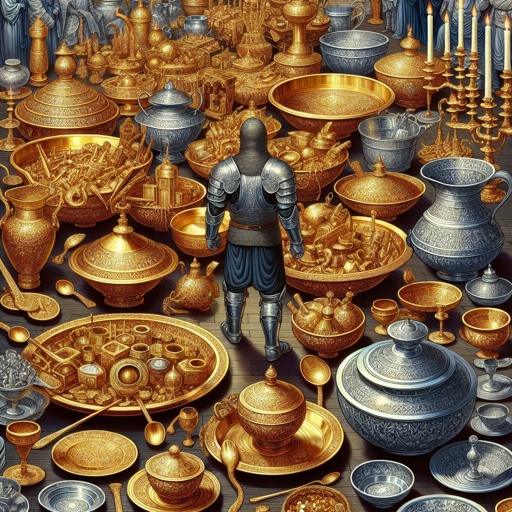
Jeremiah 52:19 - "And the basons, and the firepans, and the bowls, and the caldrons, and the candlesticks, and the spoons, and the cups; that which was of gold in gold, and that which was of silver in silver, took the captain of the guard away."
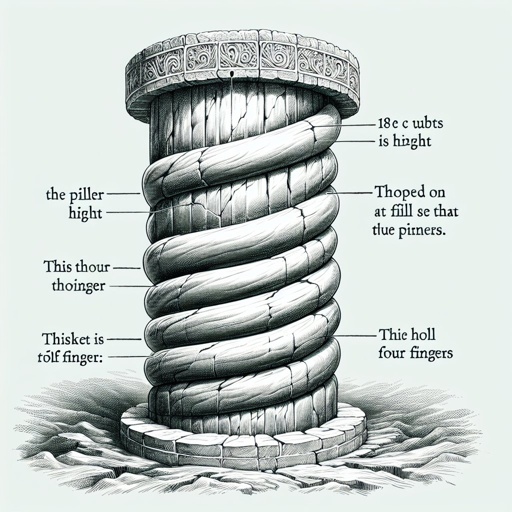
Jeremiah 52:21 - "And concerning the pillars, the height of one pillar was eighteen cubits; and a fillet of twelve cubits did compass it; and the thickness thereof was four fingers: it was hollow."

Luke 9:52 - "And sent messengers before his face: and they went, and entered into a village of the Samaritans, to make ready for him."

Judges 9:52 - "And Abimelech came unto the tower, and fought against it, and went hard unto the door of the tower to burn it with fire."
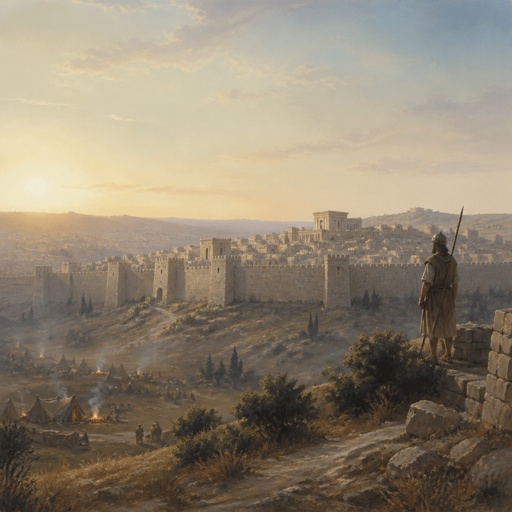
"So the city was besieged unto the eleventh year of king Zedekiah." - Jeremiah 52:5

Jeremiah 52:17 - "Also the pillars of brass that were in the house of the LORD, and the bases, and the brasen sea that was in the house of the LORD, the Chaldeans brake, and carried all the brass of them to Babylon."

Jeremiah 52:34 - "And for his diet, there was a continual diet given him of the king of Babylon, every day a portion until the day of his death, all the days of his life."

Jeremiah 52:27 - "And the king of Babylon smote them, and put them to death in Riblah in the land of Hamath. Thus Judah was carried away captive out of his own land."
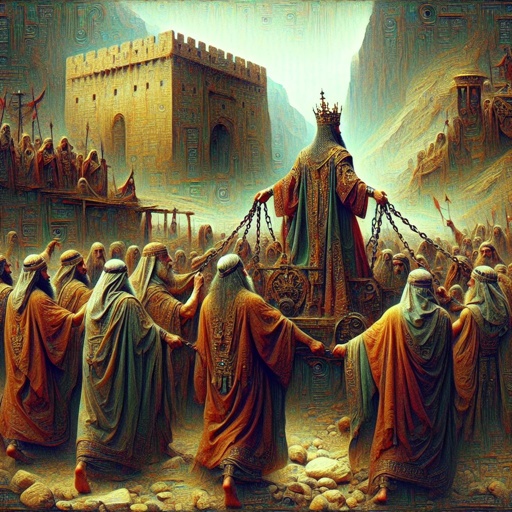
Jeremiah 52:11 - "Then he put out the eyes of Zedekiah; and the king of Babylon bound him in chains, and carried him to Babylon, and put him in prison till the day of his death."

Jeremiah 52:28-30 - "Jeremiah 52:28-30: 28 This is the people whom Nebuchadrezzar carried away captive: in the seventh year three thousand Jews and three and twenty: 29 In the eighteenth year of Nebuchadrezzar he carried away captive from Jerusalem eight hundred thirty and two persons: 30 In the three and twentieth year of Nebuchadrezzar Nebuzaradan the captain of the guard carried away captive of the Jews seven hundred forty and five persons: all the persons were four thousand and six hundred."