What does Jeremiah 35:19 mean?
"Therefore thus saith the LORD of hosts, the God of Israel; Jonadab the son of Rechab shall not want a man to stand before me for ever." - Jeremiah 35:19
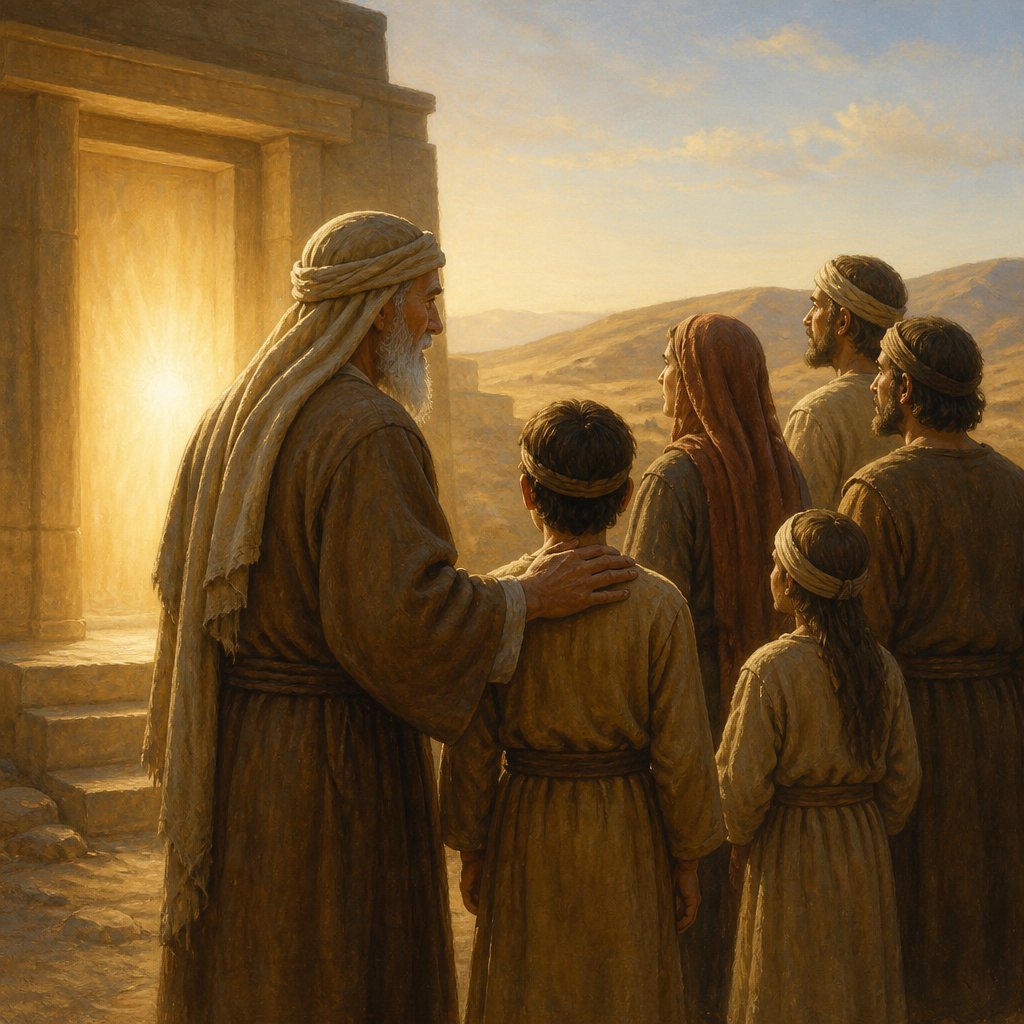
The book of Jeremiah is known for its prophecies, warnings, and messages to the people of Israel. In chapter 35, Jeremiah is instructed by the Lord to speak to the people of Judah and to the inhabitants of Jerusalem. The specific verse, Jeremiah 35:19 from the King James Version (KJV), reads:
"Therefore thus saith the Lord of hosts, the God of Israel; Jonadab the son of Rechab shall not want a man to stand before me for ever."
This verse comes at the end of a narrative about a group of people called the Rechabites. The Rechabites were a nomadic group who followed the commands of their forefather Jonadab, living in tents and abstaining from wine and other indulgences. Despite being given opportunities to drink, they remained steadfast in their obedience to their ancestor's commands.
In this verse, the Lord is commending the Rechabites for their obedience and faithfulness to their ancestor, Jonadab. The phrase "shall not want a man to stand before me for ever" is a promise from the Lord that there will always be a descendant of Jonadab who will stand before Him. This signifies the everlasting nature of God's promise and the enduring faithfulness of the Rechabites.
The context of this verse is important to understand its full meaning. Jeremiah was using the faithfulness of the Rechabites as an example to the people of Judah, who had continuously disobeyed the commands of the Lord. The message was clear: if the Rechabites could remain faithful to the commands of a mere mortal like Jonadab, how much more should the people of Judah remain faithful to the commands of the Almighty God?
This verse carries several important themes that are relevant both within the context of Jeremiah's message and in a broader theological sense. The first theme is obedience and faithfulness. The Rechabites demonstrated unwavering obedience to their ancestor's commands, and this is presented as a model for the people of Judah to follow in their relationship with God. Obedience to God's commands is a recurring theme throughout the Bible, and this verse reinforces the importance of remaining faithful to God's instructions.
Another theme present in this verse is the idea of generational faithfulness. The promise that there will always be a descendant of Jonadab to stand before the Lord emphasizes the continuity of faith across generations. This speaks to the importance of passing down faith and a commitment to obeying God's commands from one generation to the next.
Symbolism is also present in this verse. The Rechabites' abstention from wine and their nomadic lifestyle symbolize their commitment to living a simple and disciplined life. This serves as a contrast to the indulgent and disobedient behavior of the people of Judah at the time. The Rechabites' lifestyle and commitment to their ancestor's commands symbolize the kind of faithful obedience that God desires from His people.
In a broader theological sense, this verse can also be seen as a foreshadowing of the everlasting nature of God's promise and His faithfulness to His people. The Rechabites' unwavering commitment and the Lord's promise to them reflect the enduring nature of God's covenant with His people and the eternal significance of faithfulness.
In conclusion, Jeremiah 35:19 from the King James Version (KJV) conveys a powerful message about obedience, faithfulness, generational continuity, and the enduring nature of God's promises. It serves as a poignant example of the kind of faithful obedience that God desires from His people and reinforces the importance of passing down faith from one generation to the next. The verse also carries symbolic significance, and its broader theological implications speak to the everlasting nature of God's faithfulness and His enduring covenant with His people.
Have questions about Jeremiah 35:19?
Dive deeper into this scripture with Bible Chat — an AI-powered tool for exploring God's Word through conversation. Ask questions, get context, and grow in your understanding of the Bible.
Get Our Apps


Jeremiah 35:19 Artwork

Jeremiah 35:19 - "Therefore thus saith the LORD of hosts, the God of Israel; Jonadab the son of Rechab shall not want a man to stand before me for ever."
"Therefore thus saith the LORD of hosts, the God of Israel; Jonadab the son of Rechab shall not want a man to stand before me for ever." - Jeremiah 35:19

Jeremiah 35:12 - "¶ Then came the word of the LORD unto Jeremiah, saying,"

Genesis 19-35

"¶ Then came the word of the LORD unto Jeremiah, saying," - Jeremiah 35:12

Jeremiah 35:1 - "The word which came unto Jeremiah from the LORD in the days of Jehoiakim the son of Josiah king of Judah, saying,"

Jeremiah 35:3 - "Then I took Jaazaniah the son of Jeremiah, the son of Habaziniah, and his brethren, and all his sons, and the whole house of the Rechabites;"

2 Chronicles 35:19 - "In the eighteenth year of the reign of Josiah was this passover kept."

Joshua 19:35 - "And the fenced cities are Ziddim, Zer, and Hammath, Rakkath, and Chinnereth,"

Jeremiah 25:35 - "And the shepherds shall have no way to flee, nor the principal of the flock to escape."

Leviticus 19:35 - "¶ Ye shall do no unrighteousness in judgment, in meteyard, in weight, or in measure."

Genesis 35:19 - "And Rachel died, and was buried in the way to Ephrath, which is Beth-lehem."

Jeremiah 49:35 - "Thus saith the LORD of hosts; Behold, I will break the bow of Elam, the chief of their might."

Jeremiah 33:19 - "¶ And the word of the LORD came unto Jeremiah, saying,"

Luke 19:35 - "And they brought him to Jesus: and they cast their garments upon the colt, and they set Jesus thereon."

Jeremiah 35:9 - "Nor to build houses for us to dwell in: neither have we vineyard, nor field, nor seed:"

Jeremiah 35:10 - "But we have dwelt in tents, and have obeyed, and done according to all that Jonadab our father commanded us."

Jeremiah 50:35 - "¶ A sword is upon the Chaldeans, saith the LORD, and upon the inhabitants of Babylon, and upon her princes, and upon her wise men."

Jeremiah 48:35 - "Moreover I will cause to cease in Moab, saith the LORD, him that offereth in the high places, and him that burneth incense to his gods."

Numbers 35:19 - "The revenger of blood himself shall slay the murderer: when he meeteth him, he shall slay him."

Jeremiah 35:5 - "And I set before the sons of the house of the Rechabites pots full of wine, and cups, and I said unto them, Drink ye wine."

Jeremiah 35:2 - "Go unto the house of the Rechabites, and speak unto them, and bring them into the house of the LORD, into one of the chambers, and give them wine to drink."

Jeremiah 36:19 - "Then said the princes unto Baruch, Go, hide thee, thou and Jeremiah; and let no man know where ye be."

John 19:35 - "And he that saw it bare record, and his record is true: and he knoweth that he saith true, that ye might believe."

"In the eighteenth year of the reign of Josiah was this passover kept." - 2 Chronicles 35:19
"And the fenced cities are Ziddim, Zer, and Hammath, Rakkath, and Chinnereth," - Joshua 19:35

Jeremiah 35:16 - "Because the sons of Jonadab the son of Rechab have performed the commandment of their father, which he commanded them; but this people hath not hearkened unto me:"

"¶ And the word of the LORD came unto Jeremiah, saying," - Jeremiah 33:19

Jeremiah 35:18 - "¶ And Jeremiah said unto the house of the Rechabites, Thus saith the LORD of hosts, the God of Israel; Because ye have obeyed the commandment of Jonadab your father, and kept all his precepts, and done according unto all that he hath commanded you:"

"The word which came unto Jeremiah from the LORD in the days of Jehoiakim the son of Josiah king of Judah, saying," - Jeremiah 35:1